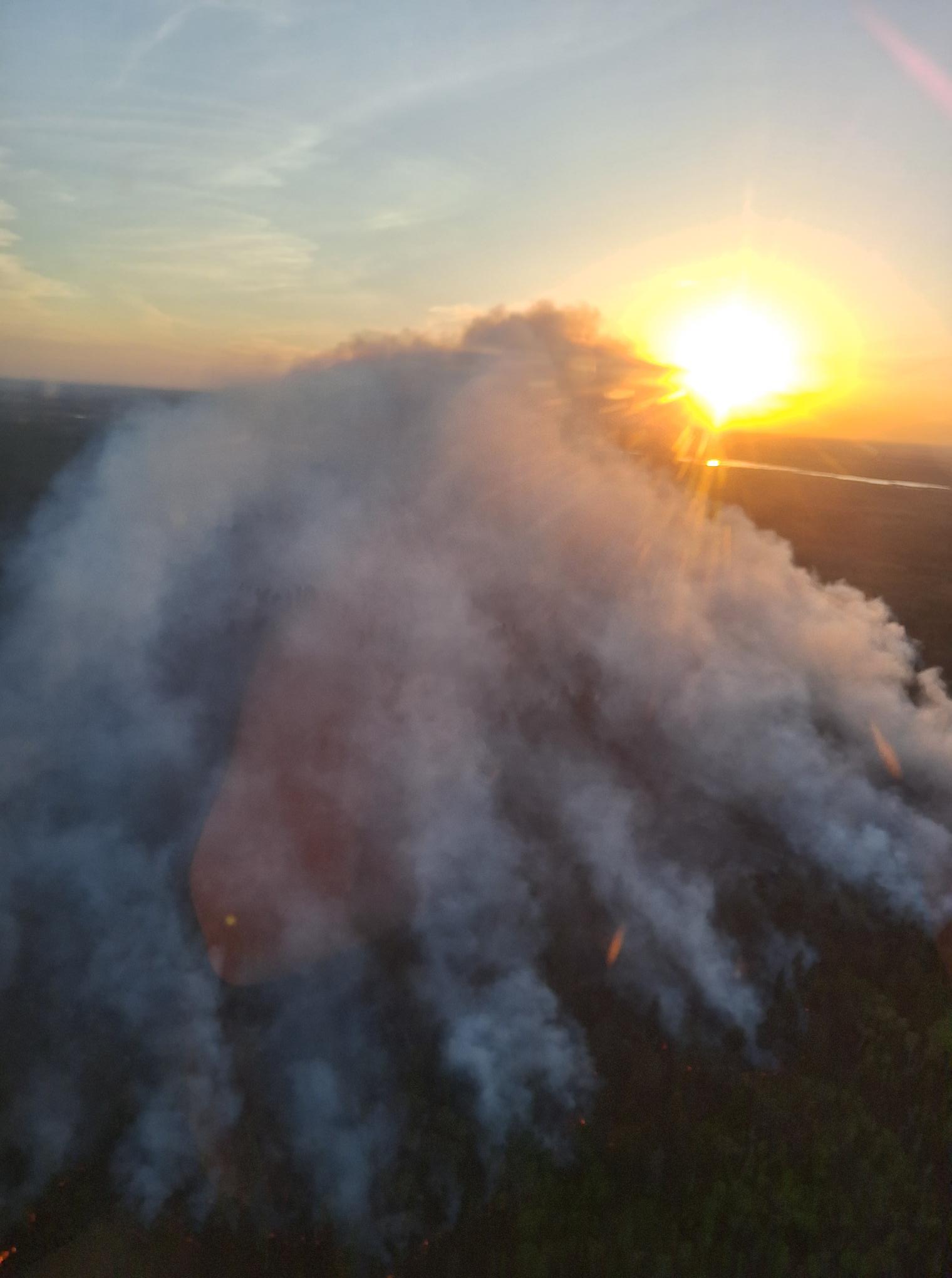
You smell the smoke before you see the flames. For over 1,300 residents in northern and central Saskatchewan, that sharp, acrid scent didn't just signal a forest fire. It triggered a wave of collective anxiety, pulling back raw memories of last year's historic, destructive blazes. The current situation on the ground remains tense. Two major out-of-control wildfires, the Lobstick fire and the Cayford fire, have forced massive evacuations across the province.
While the Saskatchewan Public Safety Agency (SPSA) reports that a brief shift in weather has calmed the flames slightly, these fires are still raging. They aren't contained. They're growing.
The immediate threat forces us to look at a harsher reality. Western Canada's wildfire season started with a deceptive lull, but the ground dried up fast. Now, entire communities are packed into hotel rooms hundreds of kilometers away from home. Understanding what is happening right now requires looking past the daily briefing headlines. The real story lies in how these fires spread, why the weather isn't saving us, and what this means for the long-term survival of northern towns.
The Two Monsters Tearing Through the Brush
We aren't dealing with a single isolated spark. The province is fighting two massive, independent blazes that have stretched emergency resources to their absolute limit.
First, look at the Lobstick Fire. This blaze started from a lightning strike between Duck Lake and MacDowall. It quickly turned aggressive. It jumped the North Saskatchewan River, a massive body of water that should have acted as a natural barrier. By the end of the weekend, the Lobstick fire exploded to approximately 19,000 hectares. To put that in perspective, that is slightly larger than the entire city footprint of Regina.
The fire pushed hard toward the Rural Municipality (RM) of Shellbrook and the hamlet of Holbein. The smoke grew so thick that authorities couldn't take chances. They issued immediate mandatory evacuation orders for residents south of Highway 3, forcing families to pack whatever could fit into their vehicles within minutes.
Then there is the Cayford Fire. Located farther northeast, south of the Red Earth Cree Nation and northwest of Hudson Bay, this second monster is chewing through dense boreal forest. It currently sits at nearly 10,000 hectares, roughly half the size of Saskatoon. It is burning just 2.5 kilometers south of Highway 55. This vital transportation corridor is now a hazard zone.
Saskatchewan Active Wildfires (Major Blazes)
============================================================
Fire Name      Current Size        Primary Location Threat
------------------------------------------------------------
Lobstick       19,000 Hectares     RM of Shellbrook, Holbein
Cayford        10,000 Hectares     Red Earth Cree Nation
============================================================
The Human Cost of Sudden Displacements
Statistics don't capture the chaos of an evacuation order. When the sirens go off, life condenses into a frantic checklist. Passports, medications, photo albums, and pets.
In Shellbrook, the local Elks Hall quickly transformed into an emergency reception center. Local youth cadets stepped up to run the registration desks, tracking names and phone numbers as dazed families walked through the door. The local healthcare system took a massive hit, too. The Saskatchewan Health Authority had to evacuate 53 vulnerable patients and long-term care residents from the Parkland Integrated Healthcare Centre. These fragile individuals were loaded into transport vehicles and scattered across the region to facilities in Prince Albert, Tisdale, Melfort, and Porcupine Plain.
The situation is even more complicated for First Nations communities. Roughly 1,200 evacuees from the Shoal Lake and Red Earth Cree Nations had to flee the Cayford fire. This isn't their first crisis this month. Red Earth residents were evacuated just weeks ago due to severe springtime flooding. Going from rising waters to encroaching flames in less than thirty days is a brutal cycle.
Local hotel rooms in Prince Albert and Saskatoon filled up almost instantly. Because there was no space left nearby, the Canadian Red Cross and local leaders had to redirect hundreds of First Nations evacuees to Regina, a six-hour drive south. Emergency crews are currently coordinating catered meals and basic mental health support in southern hotels, but living out of a suitcase while checking satellite fire maps on your phone is an exhausting way to exist.
Why Mother Nature Isn't Helping Enough
You might hear that cooler weather or a bit of rain has calmed the fires, but don't let those statements fool you. A temporary drop in temperature gives ground crews a window to work, but it doesn't put out a 19,000-hectare wall of fire.
The SPSA has deployed crews, heavy equipment, and water bombers to both fronts. Firefighters are working in punishing conditions to construct dozer lines. These are wide paths cleared of trees and brush designed to starve the fire of fuel. Right now, a primary focus for the Lobstick crew is building a dozer line heading east toward the North Saskatchewan River. They are trying to save a critical power transmission line. If that line goes down, vast sections of the northern grid go dark.
The core issue is structural dryness. Remi Martin, the Reeve of Duck Lake, noted how quickly the landscape betrayed them. Over the May long weekend, the region received an inch and a half of moisture, a solid mix of rain and snow. Just seven days later, the ground was bone-dry, and trees were burning like matchsticks.
A single week of hot, windy weather completely erased a month of moisture. Boreal forests hold deep pockets of peat and dry muskeg. Once a fire digs into that underground fuel, surface rain just rolls off the canopy without hitting the root of the problem.
The Myth of the Slow Start
Federal officials spent the early part of May talking about how the wildfire season got off to a slower start than the catastrophic historical run of last year. That narrative created a false sense of security.
The threat is real, and it is rising. The federal emergency management minister recently warned that above-normal temperatures will dominate the Prairies for the next three months. Saskatchewan currently has dozens of fire bans active across rural municipalities, urban centers, and provincial parks.
Northern mayors, like Rick Laliberte of Beauval, have pointed out the immense psychological toll this takes on residents. When the wind shifted and brought the first thick smell of smoke from the Lobstick fire into Beauval, people panicked. They looked out at the scorched, black tree lines left over from previous fires and realized their towns are still incredibly vulnerable. Preparing local volunteer fire departments and securing proper gear is an uphill battle for small northern communities with limited budgets.
What You Need to Do Right Now
If you live anywhere near the central or northern forested regions of Saskatchewan, waiting for an official knock on your door is a mistake. Conditions change within minutes when wind speeds pick up.
Keep your vehicle fueled. A half-empty gas tank is a massive liability when thousands of people hit a single highway at the same time. Pack an emergency go-bag for every member of your household. Include copies of legal documents, a week's worth of essential prescription medications, chargers, and basic toiletries.
Do not ignore air quality advisories. Wildfire smoke contains fine particulate matter that penetrates deep into your lungs, causing immediate respiratory distress. If you see smoke, limit outdoor activities, seal your home windows, and run your HVAC system on a recirculating cycle. If you have an air purifier with a HEPA filter, turn it on high.
Monitor the official SaskAlert app and the SPSA wildfire dashboard daily. Avoid driving down highways near active zones like Highway 3 and Highway 55 unless absolutely necessary. Unnecessary traffic blocks emergency vehicles, water trucks, and heavy bulldozers from getting where they need to go. Stay informed, stay packed, and don't assume a calm day means the danger has passed.