We are three days into absolute quiet across the Middle East. No bombs. No retaliatory strikes. Just a fragile, tense silence that everyone hopes will hold.
According to regional insiders, backchannel diplomats led by Qatar and Pakistan are quietly making headway. They are trying to glue back together an interim ceasefire that shattered under weeks of heavy bombardments.
You won't hear much official fanfare from Washington or Tehran yet. But the absence of fire tells its own story.
The Strait of Hormuz Flashpoint
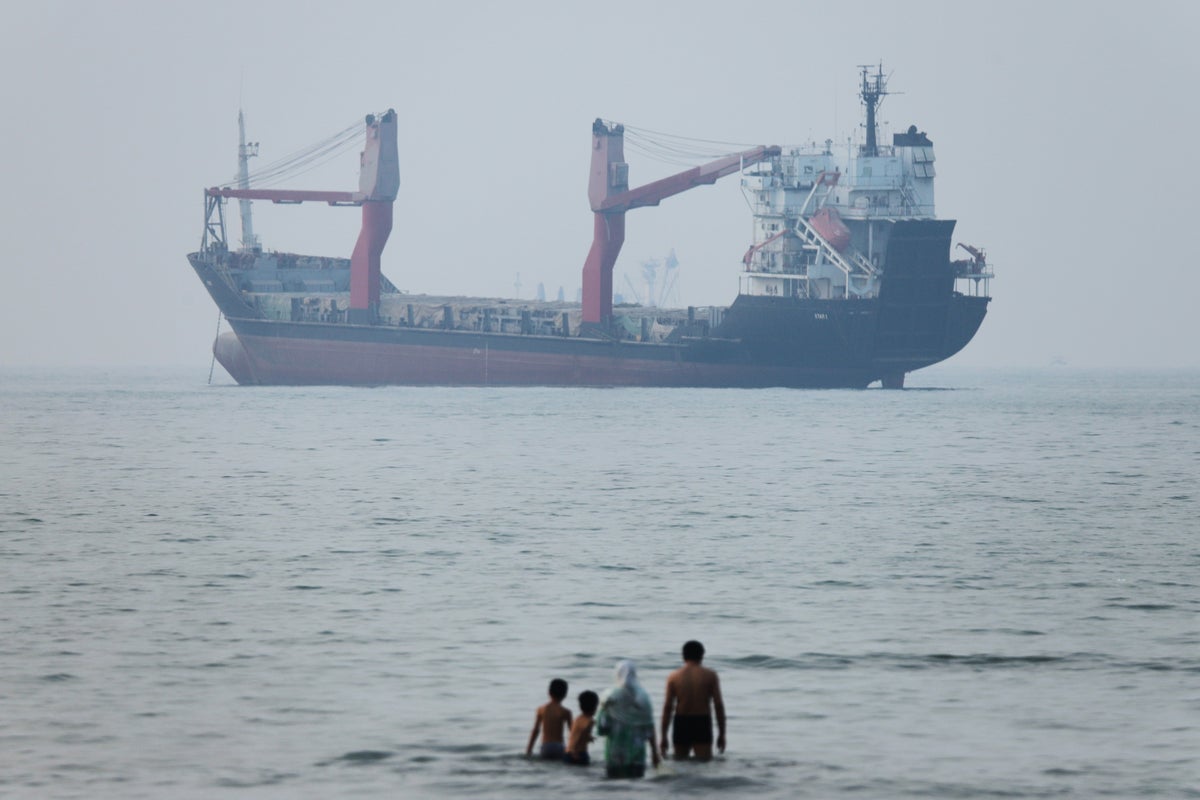
Everything broke down because of a narrow strip of water. Iran started targeting commercial vessels trying to transit the Strait of Hormuz, the choke point for a massive chunk of global oil. Washington responded with a punishing two-week campaign against Iranian coastal infrastructure.
Then things got messy fast. Tehran hit back at regional bases hosting American troops, resulting in tragic casualties in Jordan and Iraq.
Right now, regional negotiators are zeroing in on a very specific fix. They want a joint mechanism between Iran and Oman to manage safe ship traffic through the strait. It sounds wonky, but fixing how ships move through this channel is basically the safety valve for the entire conflict.
Behind Closed Doors
Public posturing remains fierce. Iran's Foreign Ministry insists there are no direct talks happening with the United States. They are dealing entirely through intermediaries.
At the United Nations, diplomats are spinning it differently. US Ambassador Mike Waltz noted that Washington is giving diplomacy some breathing room. High-level and technical teams have been burning midnight oil across multiple capitals.
Behind the scenes, the mechanics of war cost too much. Both sides face hard limits on expensive military hardware and interceptors. Neither economy or military stockpile loves a protracted slugfest.
What Happens to the Big Picture
Let's be clear about one thing. The core issues haven't actually been solved.
The original 60-day window signed back in mid-June is burning down fast. The massive elephant in the room—Iran's nuclear program—remains parked on the shelf. Mediators deliberately pushed it aside just to stop the bleeding.
If this temporary pause collapses, expect the naval blockade and regional skirmishes to return instantly. Commercial shipping traffic is already sitting at multi-week lows. Markets know how fast this can blow up.
Watch the messaging coming out of Doha and Islamabad over the next forty-eight hours. If the quiet holds, diplomacy won. If it breaks, expect the worst escalation yet.