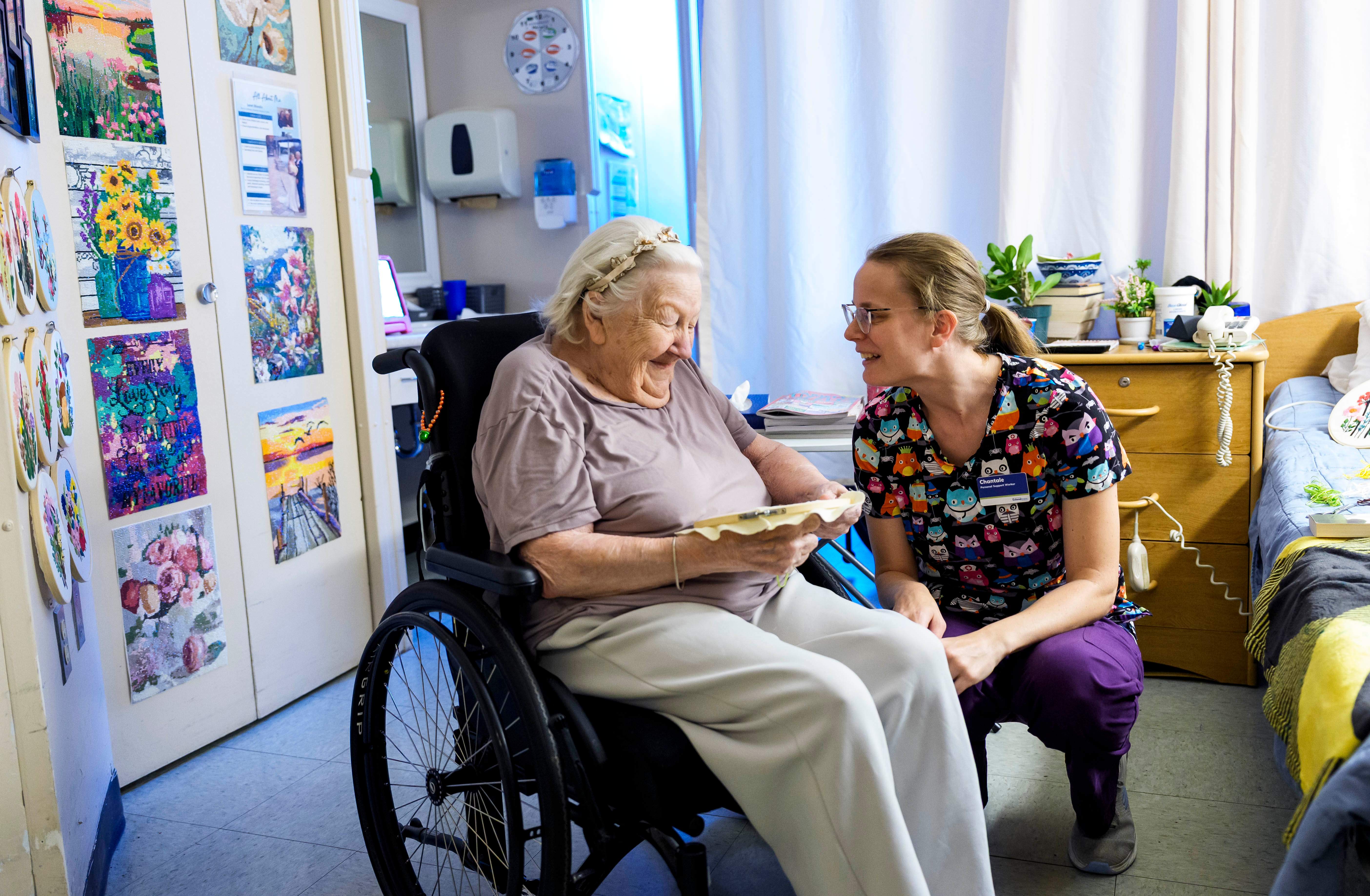
Walk into a typical assisted living facility and you’ll see it immediately. The beige walls. The industrial carpet designed to hide stains. That weird, lingering smell of industrial cleaner mixed with overcooked broccoli. It feels like a hospital with better curtains. That’s not a home. It’s a holding pen. We’ve spent decades designing for efficiency and "safety" while completely forgetting that the people living there actually want to enjoy their lives.
Smart design isn't about fancy gadgets or putting a tablet in every room. It’s about psychological dignity. It’s about building spaces that stop treating seniors like fragile objects and start treating them like adults with autonomy. If a building's layout makes a resident feel lost or dependent, the architecture has failed.
The Myth of Safety Over Everything
Most architects prioritize "fall prevention" above all else. Don't get me wrong, falls are serious. According to the CDC, millions of older people fall each year, and it’s a leading cause of injury. But when we design solely to prevent a hip fracture, we often create environments that are soul-crushing.
Think about the lighting. Most senior centers use overhead fluorescent fixtures. They’re cheap. They’re bright. They also create a massive amount of glare on polished floors. For someone with aging eyes or early-stage cataracts, that glare looks like a puddle of water. It causes hesitation. It causes anxiety. Ironically, the "safe" bright light makes them more likely to trip because they can’t perceive depth correctly.
Smart design uses layered lighting. You want warm LEDs at floor level to guide the way at night. You want natural light—and lots of it—to keep circadian rhythms in check. When a senior's internal clock stays synced, they sleep better. When they sleep better, they’re less agitated. It’s a simple chain reaction that starts with a window, not a pill.
Making Navigation Intuitive Without Being Childish
Ever been in a hotel where every floor looks exactly the same? You get off the elevator and have to hunt for your room number. Now imagine doing that when your short-term memory is glitching. It’s terrifying.
Typical facilities use "wayfinding" signs. They put up a giant "Dining Hall" sign with an arrow. That’s clinical. Truly smart design uses "landmarks." Maybe the third floor has a bright blue door at the end of the hall, or a specific piece of sculpture near the library. We naturally navigate by visual anchors, not by reading text.
I’ve seen communities that use "memory boxes" outside each apartment. It’s a small glass case where residents put personal items—a photo of their wedding, a baseball glove, a seashell. It helps them find their home without feeling like they’re being managed. It’s a subtle shift from "You live in Room 402" to "You live where the seashell is." That matters.
The Problem With Long Hallways
Long, straight corridors are the enemy of mobility. If a resident looks down a hallway that seems a mile long, they’ll just stay in their room. It’s too daunting. They're afraid they won't make it to the other end without needing a break.
Architects who actually get it use "bump-out" spaces. Every twenty feet or so, the hallway widens. There’s a chair. There’s a small table with a plant. This does two things. First, it breaks the visual distance, making the walk feel shorter. Second, it provides a "safe harbor." A resident knows they can walk a little bit, rest, and then keep going.
This isn't just about physical health. It’s about social friction. In those little nooks, people stop and talk. You can't have a community if everyone is just scurrying (or shuffling) from Point A to Point B. You need places for "accidental" conversations.
Technology Should Be Invisible
Everyone wants to talk about "smart homes" for seniors. They think voice-activated blinds and robot vacuum cleaners are the answer. Usually, they’re just another thing that breaks or confuses the user.
The best technology in senior living is the stuff you never see. It’s the floor sensors that can detect a fall without the resident needing to wear a "help" button—which many refuse to wear anyway out of pride. It’s the smart thermostats that adjust automatically because many seniors lose the ability to regulate body temperature well.
We should be focusing on acoustic technology too. Hearing loss is one of the biggest drivers of social isolation. When a dining room is a giant box of hard surfaces, the clinking of silverware and the hum of the AC become a wall of noise. Seniors can’t hear the person sitting across from them, so they stop trying. They withdraw. Using sound-absorbing materials that look like art or high-end wallpaper can change the entire social dynamic of a building.
Kitchens Are the Heart of Dignity
Stop taking away the kitchens. I get it, fire risks are a concern. But cooking is a fundamental human activity. It’s a way we care for ourselves and others. When you move a senior into a room with just a microwave, you’re telling them their days of providing or creating are over.
Smart design uses induction cooktops that stay cool to the touch and shut off automatically if they don't sense a pan. It uses "universal design" principles like drawers instead of cabinets so nobody has to get on their knees to find a pot. It’s about keeping people capable for as long as possible.
Bringing the Outside In
Most senior living "gardens" are pathetic. A concrete slab with two benches and maybe a dying rosebush.
Research from the University of Exeter shows that spending time in green spaces significantly lowers cortisol levels. For someone with dementia, a "sensory garden" can be a powerful tool. You want plants that are safe to touch and smell—lavender, rosemary, lamb’s ear. You want paths that are "looped," meaning they never hit a dead end. A dead end causes frustration and "sundowning" behaviors. A loop allows someone to keep walking until they feel calm again.
Get Rid of the Nursing Station
The giant, raised desk in the middle of a lobby screams "medical facility." It creates a literal barrier between staff and residents. Modern, smart design replaces the "command center" with decentralized work zones.
Staff should be integrated into the living spaces. They should be sitting at the same tables, drinking coffee in the same lounges. This shifts the power dynamic. It makes the staff feel like neighbors and caregivers rather than guards. When the environment looks like a home, people act like they're at home.
Check the Acoustics
If you’re helping a parent move or looking at a facility, do the "clap test." Go into the main dining area and clap your hands. If you hear a sharp echo, it’s a bad design. Your parent won't be able to hear a word you say over lunch. Look for upholstered furniture, thick rugs, and acoustic ceiling baffles. If it sounds like a library, it’s a win.
Look at the flooring transitions. If there’s a metal strip between the carpet and the tile, that’s a trip hazard. A smart design uses "flush transitions" where the two materials meet at the exact same height. Run your foot over it. If you feel a lip, it’s a lazy build.
Demand better than beige. Ask about the "R-value" of the lighting. Check if the windows are low enough that someone sitting in a wheelchair can actually see the grass, not just the sky. We’ve got to stop settling for "functional" and start demanding "livable."
Pick one room in your own house or a loved one’s space today. Change one lightbulb to a warmer hue or move one rug that’s a trip hazard. Small changes are the start of better design.