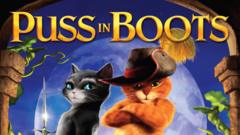
DreamWorks Animation spent years trying to figure out how to survive without a green ogre. When the Shrek franchise hit a wall of diminishing returns with Shrek Forever After in 2010, the industry assumption was that the fairy-tale parody genre had finally run out of steam. They were wrong. The breakout success of the Puss in Boots spin-offs, particularly the Oscar-nominated The Last Wish, proved that the character voiced by Antonio Banderas wasn't just a sidekick. He was a vehicle for a much more sophisticated kind of storytelling that his predecessor could no longer carry.
While the original Shrek movies relied on topical pop-culture references that often aged poorly, the Puss in Boots series shifted toward high-stakes adventure and existential dread. This wasn't a pivot by accident. It was a calculated move to capture an audience that had grown up with the original films and now wanted something with more weight. The quest for the "Wishing Star" wasn't a simple MacGuffin. It was a meditation on mortality, wrapped in a kinetic, stylized animation package that took more cues from Sergio Leone and Akira Kurosawa than from standard Saturday morning cartoons.
The Banderas Effect and the Power of Voice
Antonio Banderas didn't just provide a voice; he provided a soul. In the early 2000s, celebrity voice acting was often a marketing gimmick. Studios hired big names to slap on a poster, regardless of whether the actor’s energy translated to the booth. Banderas was different. He brought a self-aware machismo that bridged the gap between his live-action roles in Desperado and The Mask of Zorro and the absurd reality of a cat wearing leather footwear.
The genius of the performance lies in the contrast. We hear the gravelly, romantic intensity of a legendary Latin lover coming out of a creature that still occasionally gets distracted by a laser pointer. Banderas understands the tragedy of the character. Puss is a hero who is constantly fighting against his own nature and his own diminutive size. By the time we reached the most recent quest, Banderas dialed back the bravado to show us a hero who is genuinely, deeply afraid of death. That vulnerability is why the character has outlived the franchise that birthed him.
Breaking the Animation Mold
For a decade, the industry followed the "Pixar Look"—smooth, rounded, 3D realism. Puss in Boots: The Last Wish threw that playbook out the window. It adopted a "painterly" style, similar to Spider-Man: Into the Spider-Verse, which allowed for more expressive action sequences and a sense of timelessness.
This shift in visual language served the story’s darker themes. When Puss is hunted by the Wolf—an embodiment of Death—the animation changes. The frames become sharper. The colors bleed. It creates a visceral sense of danger that you rarely find in "family" films. This wasn't just an exciting quest; it was a psychological thriller for kids and adults alike.
Why the Quest Format Still Works
The "quest" is the oldest trick in the book, yet it remains the most effective way to build a world. In the Puss in Boots universe, the quest serves as a pressure cooker for character development. We see this through the introduction of Perrito, the therapy dog, and the return of Kitty Softpaws. These characters aren't just there to fill space. They represent the things Puss has spent his eight previous lives avoiding: intimacy, honesty, and the acceptance of his own limitations.
- Kitty Softpaws: The cynical foil who challenges his ego.
- Perrito: The unconditional optimist who exposes his loneliness.
- The Wolf: The literal ticking clock that forces him to value his final life.
The Business of the Spin Off
From a cold, hard business perspective, Puss in Boots is a masterclass in IP management. DreamWorks didn't just milk the Shrek name. They built a distinct brand identity that could stand on its own. The first solo outing in 2011 was a solid hit, but the eleven-year gap between the first and second films should have been a death sentence in the modern movie market.
Instead, the hiatus worked in their favor. It allowed the "legacy" audience to age into a demographic that appreciates the craft of animation, while a new generation was introduced to the character through streaming. The financial success of these films comes from their refusal to play down to their audience. They aren't just selling toys; they are building a cinematic world that feels dangerous and lived-in.
The Problem With Parody
The original Shrek succeeded because it tore down Disney tropes. But parody has a shelf life. Once you’ve made fun of every fairy tale, where do you go? Puss in Boots answered this by embracing the tropes rather than mocking them. It treats its swashbuckling world with a level of sincerity that makes the stakes feel real. When Puss loses a life, we feel the weight of it. We aren't looking for a joke to break the tension; we are invested in the survival of the legend.
The Cultural Longevity of the Ginger Tabby
There is a specific kind of magnetism in a character who knows he is a joke but refuses to let anyone laugh at him. Puss is a creature of immense pride. That pride is his greatest strength and his most glaring weakness. It makes him relatable. Everyone has felt like they are "performing" a version of themselves that is much bigger than they actually are.
The quest for the Wishing Star was never about the wish. It was about the realization that one life, lived well, is enough. This is a heavy theme for a movie about a cat in a hat, but that is exactly why it resonated so deeply. It moved past the surface-level excitement of a quest and into the territory of genuine human (or feline) experience.
The Future of the Legend
The entertainment industry is currently obsessed with "cinematic universes," often at the expense of individual film quality. The success of Banderas's recent turn as the character suggests that the best way to expand a world is to focus on the emotional arc of a single protagonist. We don't need a dozen different spin-offs if the one we have is this compelling.
Critics often point to the "death of the movie star," but Banderas proves that a star's persona can be just as powerful in digital form. His performance is a reminder that the voice is an instrument, not just a tool for dialogue delivery. As we move into an era where studios are tempted to use synthesized voices or AI to cut costs, the organic, lived-in quality of a Banderas performance stands as a barrier against mediocrity.
The blade is still sharp. The boots still fit. But the character has changed. He is no longer just the comic relief from a 2004 sequel. He is the most interesting thing DreamWorks has going for it. The quest doesn't end with a magic wish. It ends when the hero stops running and looks his fate in the eye. That is the definitive lesson of the franchise, and it is one that will keep Puss in the cultural conversation long after the ogre has retired to his swamp.
The legend of Puss in Boots isn't about being invincible. It is about the courage to be finite.