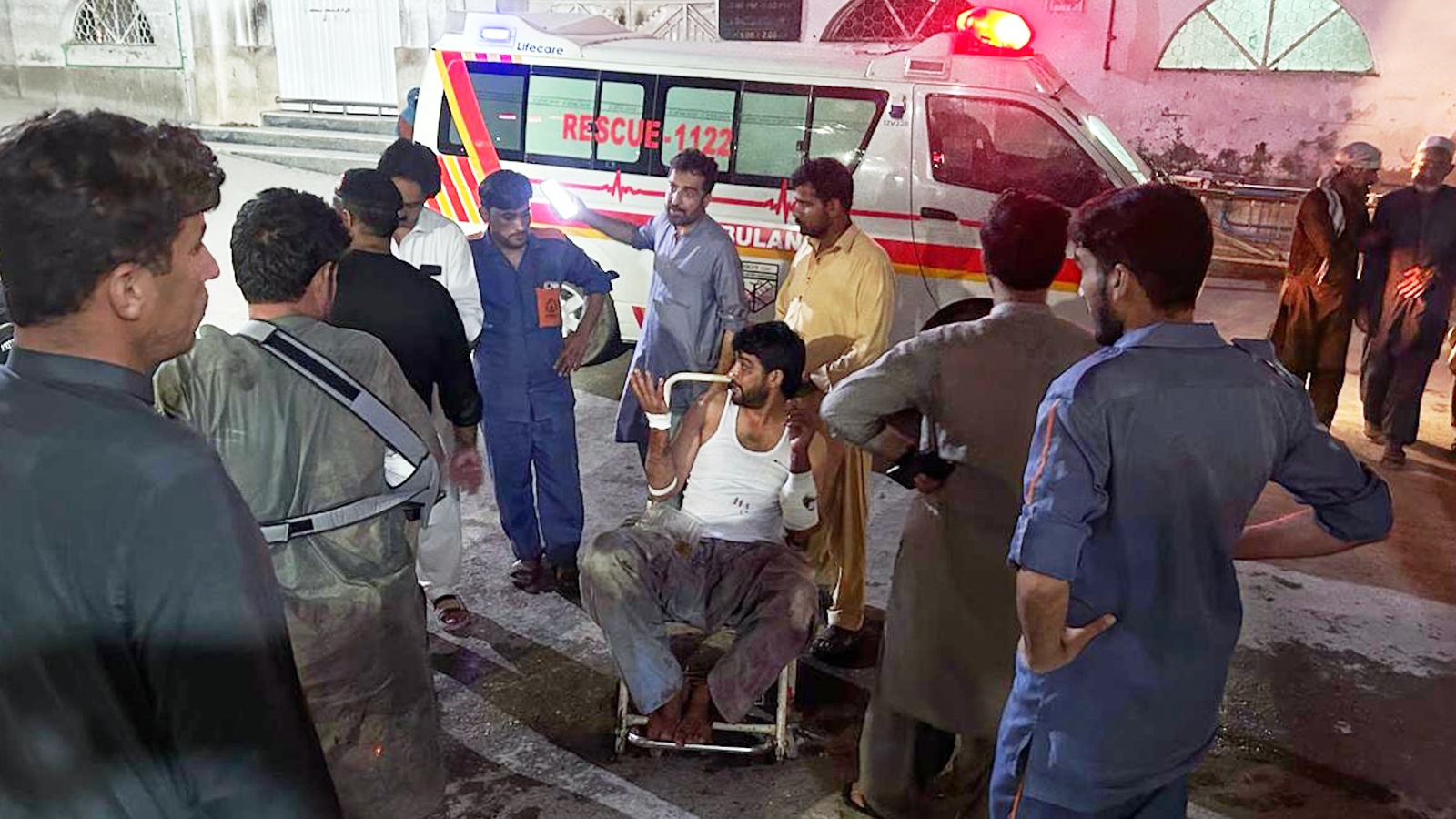
Dusk falls heavy across the jagged hills of the Hangu district. The air smells of dry dust, sun-baked earth, and the faint, bitter tang of woodsmoke drifting from a nearby homestead. For the men stationed at the remote police checkpost, nightfall has never meant rest. It has always meant vigilance. They check their rifle magazines, sip lukewarm tea from chipped steel cups, and listen to the familiar crickets humming against the vast, indifferent dark of the Pakistan-Afghanistan border.
Then, the sound changes.
Beneath the steady chorus of the night comes a high-pitched, mechanical whine. It is a dry, insectoid buzzing that does not belong to the natural world. It rises above the ridge, steady and cold, growing louder by the second.
Consider what happens next: a soft hum overhead transforms into an immediate, violent rupture.
Consumer technology, built to capture vacation sunsets and cinematic wedding panoramas, has found a darker home in the borderlands. In recent months, insurgent groups operating in northwest Pakistan have adopted commercial quadcopters, strapping improvised explosive devices to their frames. These aren't high-end military hardware requiring a million-dollar runway. They are off-the-shelf machines, easily programmable, capable of hovering silently in the blind spots of traditional perimeter defenses.
When the first explosive-laden drone dropped its payload onto the Hangu outpost, it shattered more than concrete. It shattered an entire tactical assumption. For decades, border outposts were engineered to repel ground assaults. They were fortified against men rushing forward with rifles, against cars packed with explosives barreling down dirt tracks. They were never designed to look straight up.
Silence. Then fire.
The initial aerial blast disabled the post's primary defensive coordination and threw the compound into immediate chaos. Before the dust could even settle, the second phase of the assault materialized. Ground fighters, seizing the panic, surged forward from the shadows to ambush the disoriented survivors.
Warfare has a terrifying way of miniaturizing innovation. What starts in a hobbyist forum or a tech marketplace eventually trickles down to the most violent corners of the earth, stripped of its innocence and repurposed for destruction. A machine designed to fly over a tree line now hunts men in the dark.
By the time the hours-long gun battle finally sputtered out, leaving 15 attackers dead alongside heavy security casualties, the grim math of the night became clear. Eleven police officers had lost their lives. Among them was Deputy Superintendent Diyar Khan, a commander who had rushed into the fray with reinforcements, stepping directly into the teeth of an evolving tactical nightmare. Twenty-eight others were pulled from the rubble and rushed to hospitals in Peshawar, carrying wounds that extended far beyond physical trauma.
This was not an isolated incident of brute force. It was part of a terrifying escalation across Khyber Pakhtunkhwa. Just weeks prior, similar signatures of modern terror—combining vehicle-borne improvised explosive devices with synchronized drone surveillance and ground ambushes—had turned installations in Bannu and Tank into smoking craters. Security forces are finding themselves locked in a high-stakes race against an enemy that adapts faster than institutional bureaucracy can pivot.
The geopolitical friction between Islamabad and Kabul only deepens the tragedy. Pakistan points an accusing finger across the border, claiming that militant factions use safe havens inside Afghan territory to plan, train, and launch these sophisticated strikes. Kabul denies the charge, insisting that the swelling tide of violence remains an internal domestic failure.
Meanwhile, back on the frontier ridge, the political arguments matter very little to the boots on the ground.
The men who stand watch tonight are staring upward. They are listening for that mechanical whine in the wind, acutely aware that the airspace above them is no longer empty. The rules have rewritten themselves overnight, and the cost of that rewrite is measured in empty boots and folded flags.
The buzz returns. The dark holds its breath.
How Pakistan militants used explosive-laden quadcopters before killing 11 police officers
This video provides an in-depth look at the escalating security crisis and the changing tactical landscape involving insurgent attacks on law enforcement in the region.
http://googleusercontent.com/youtube_content/1