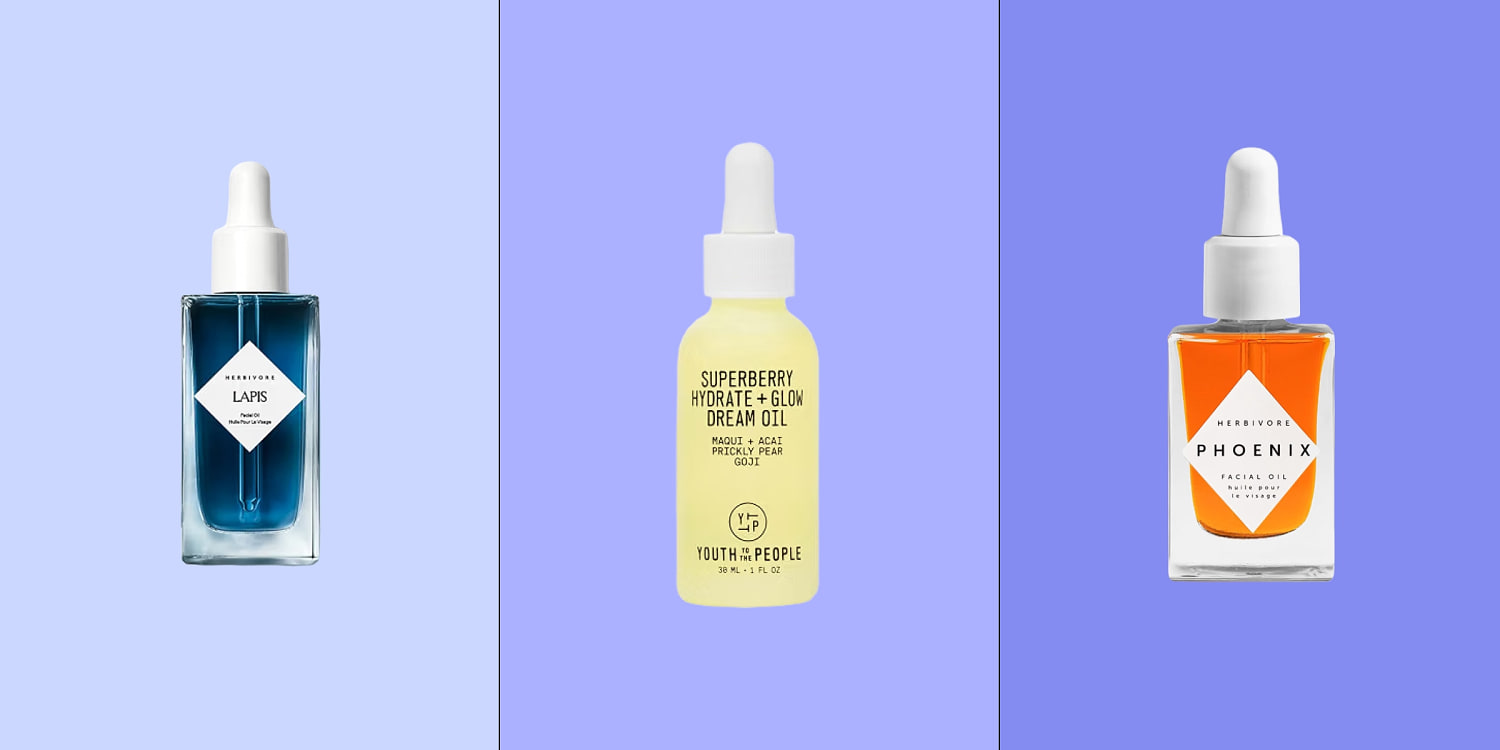
Slathering kitchen olive oil on your face because a TikTok creator swore by it is a quick ticket to a clogged pore disaster. Most people treat facial oils like a cure-all elixir, dumping heavy lipids onto oily skin or buying expensive bottles loaded with synthetic fragrance that basically guarantees a breakout. The truth is much simpler. Face oils aren't one size fits all, and if you pick the wrong molecular weight for your skin type, you're just throwing money down the drain.
I have spent years testing everything from pure unrefined argan oil to high-tech lab-formulated squalane blends. Some feel like a lightweight silk pillowcase on your face. Others sit on top of your skin like motor oil and trap dirt underneath.
Let's cut through the marketing noise and look at how these botanical powerhouses actually interact with your skin barrier.
The Comedogenic Myth And Why Molecular Weight Matters
You have probably heard about the comedogenic scale, ranging from zero to five, which ranks oils by their pore-clogging potential. People treat it like gospel. If an oil is rated a two or three, they run the other way.
That mindset is completely wrong.
A medium-weight oil can absorb beautifully into dry skin, while a zero-rated oil might still feel heavy if your lipid barrier is compromised and overproducing sebum. What matters more is the fatty acid profile—specifically the ratio of linoleic acid to oleic acid.
Oily and acne-prone skin types are often naturally deficient in linoleic acid. Their sebum is thick and sticky, which clogs pores. By applying oils rich in linoleic acid—like rosehip or grapeseed oil—you thin out that natural sebum and keep breakouts at bay. Dry skin, on the other hand, craves oleic acid. It is richer, thicker, and deeply nourishing for parched skin cells that cannot retain moisture on their own.
The Best Face Oils For Dry And Dehydrated Skin
If your skin constantly flakes, feels tight by noon, or makes foundation look like cracked desert soil, you don't need a heavier moisturizer. You need an occlusive oil that seals hydration in place.
Marula Oil
Derived from the kernels of the marula fruit, this oil is packed with antioxidants and oleic acid. It absorbs surprisingly fast for how rich it feels. It leaves a dewy finish without turning your face into a grease trap. If your winter skin barrier is completely wrecked from harsh winds or over-exfoliation, marula is a dependable fix.
Argan Oil
Liquid gold is a cliché, but argan oil earned the title. Rich in vitamin E and essential fatty acids, it softens rough patches and restores elasticity. A couple of drops pressed into damp skin at night will completely change how your face feels by morning.
The Best Face Oils For Oily And Acne-Prone Skin
Putting oil on oily skin feels counterintuitive. Your brain screams that you are adding fuel to the fire. But if you strip your skin with harsh foaming cleansers, your sebaceous glands panic and pump out even more oil to compensate.
The right oil tricks your skin into thinking it has produced enough moisture, calming the chaos down.
Rosehip Seed Oil
This is the holy grail for acne-prone skin. It is high in linoleic acid and naturally contains tretinoin precursors (trans-retinoic acid). That means it helps fade post-acne dark spots while regulating sebum production. It has a slightly earthy, fish oil-like scent if it is unrefined, but your skin won't care once it clears up.
Jojoba Oil
Technically, jojoba is a liquid wax ester, not an oil. This matters because its chemical structure is nearly identical to human sebum. When you apply it, your skin accepts it immediately. It signals your pores to slow down oil production. It is lightweight, non-greasy, and nearly impossible to break out from.
The Best Face Oils For Sensitive And Red Skin
If your skin stings when you look at it the wrong way, you need oils focused entirely on calming inflammation and strengthening a broken moisture barrier.
Squalane
Notice the spelling. Squalane is stable, hydrogenated, and derived from olives or sugarcane, whereas squalene is produced naturally by human skin. Your skin already recognizes squalane, making it about as non-allergenic as skincare gets. It is completely clear, odorless, and weightless. If you have rosacea, eczema, or reactive skin that rejects everything else, start here.
Evening Primrose Oil
Packed with gamma-linolenic acid, evening primrose oil targets systemic inflammation in the skin. It helps soothe chronic redness and keeps irritation under control. Mix two drops into your evening moisturizer and watch your baseline skin tone calm down over the course of two weeks.
How To Actually Apply Face Oil Without Looking Like A Greaseball
Most people ruin their experience with face oils simply by using them at the wrong step in their routine.
Do not apply oil to dry skin. Oils are occlusives and sealants. They do not hydrate on their own; they lock in whatever is underneath them. If you put oil on dry skin, you trap dryness.
Instead, apply your water-based serums and lightweight moisturizers first, while your face is still slightly damp from toner or water. Then, warm two to three drops of oil between your palms and gently press—do not rub—it into your face.
If you wear makeup, mix a single drop of a lightweight oil like squalane directly into your liquid foundation. It transforms a cakey matte formula into a second-skin finish that lasts all day without separating.
Stop overcomplicating your routine with a ten-step oil layering ritual. Pick one high-quality oil that matches your actual skin type, use it correctly, and let your skin do the rest.