The air tastes like copper and burnt cedar. It clings to the back of your throat, an abrasive reminder of a sky that has forgotten how to be blue.
If you have never stood on a dusty porch in eastern Washington while the afternoon sun turns the color of a bruised plum, you might think a wildfire is simply a fire. You might picture leaping orange tongues and crackling timber, distant and contained on a television screen. You would be wrong. A modern wildfire is not an event. It is an atmospheric seizure. It is an oxygen-hungry beast that alters the very pressure of the room you are sitting in, sucking the breath out of valleys miles away before it ever shows its teeth.
Let us walk into that heat together.
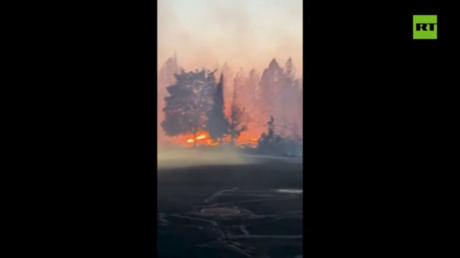
Imagine, if we must use a device to bridge the distance, what it feels like to watch the ridges turn to charcoal. This is a hypothetical vantage point, built from the actual telemetry of firefighters who spent seventy-two hours straight without sleep last August. The ridge behind the town of Pateros does not burn slowly. It detonates. Decades of accumulated dry timber, stressed by historic droughts and starved of the moisture that used to blanket the Pacific Northwest like a damp flannel sheet, flash like dry kindling.
The numbers tell a sterile story. Hundreds of thousands of acres. Evacuation orders numbering in the thousands. Containment percentages hovering in the demoralizing single digits. But numbers do not choke. Numbers do not pack a single suitcase containing a faded wedding album, three changes of socks, and a box of anxiety medication, wondering if the front door will still be standing when the wind shifts.
We got here through a tragic arithmetic. For a century, our relationship with these ecosystems was built on absolute suppression. Every spark was an enemy. Every flicker of natural flame was hunted down and stamped out. But forests are not museums; they are living, breathing metabolic systems that require renewal. By starving the land of its small, cleansing burns, we built a sprawling, dense cache of fuel. We engineered a ticking clock. And now, the clock has run out.
Consider what happens next when the wind turns.
It is midnight. The power grid has already collapsed, dropping the valley into a profound, suffocating darkness punctuated only by the eerie, pulsing red glow cresting the timberline. Sirens do not wail anymore; the batteries in the emergency relays have melted. There is only the low, sub-audible freight-train roar. It vibrates in your sternum. It is the sound of superheated air rushing upward to create its own violent weather systems—pyrocumulonimbus clouds punching miles into the stratosphere, spawning dry lightning that starts new fires miles ahead of the main front.
This is where the lived experience of disaster shatters any illusion of control. You realize, with sudden, terrifying clarity, how fragile our paved-over lives truly are. The water pumps fail because the grid is down. The cell towers go dark because the fiber-optic lines on the poles have turned to ash. You are left with human muscle, wet burlap sacks, garden hoses, and a prayer.
Yet, amid the ash, something remarkable happens. Neighbors who had not spoken in a decade because of a property line dispute are suddenly passing hoses over chain-link fences. Volunteers set up impromptu relief stations in high school gymnasiums fifty miles away, unloading cases of bottled water with blistered hands. We are biologically wired for tribal survival, and when the modern veneer burns away, the raw, aching core of community remains.
The devastation sweeping across Washington state is not an anomaly. It is the new baseline. The climate patterns that sustained generations of apple orchards and wheat farms are fracturing. Winters are shorter. Snowpacks melt weeks ahead of schedule, leaving the soil parched and thirsty by June. The woods are simply waiting for a spark—a lightning strike, a discarded cigarette, a dragging trailer chain throwing a single bead of white-hot metal against the dry asphalt of Highway 97.
We cannot un-burn the forests. We cannot simply look away and hope the weather returns to the predictable rhythms of our grandparents' memories.
The path forward demands a radical humility. It means returning to the indigenous practices of prescribed burns, clearing the underbrush before the summer heat turns the woods into a powder keg. It means hardening our homes, replacing cedar shake roofs with metal, clearing defensible space, and accepting that we live inside a dynamic, dangerous ecosystem, not a tamed backyard.
The smoke will clear eventually. The monsoons or the autumn rains will arrive, turning the black slopes into slick, muddy scars prone to sudden slides. But the memory of that orange sky lingers in the blood of anyone who lived through it.
Step outside tonight. Take a deep breath. Notice the wind. Somewhere out there, the timber is waiting.