The asphalt at the Bukit Kayu Hitam border crossing smells of heat, exhaust, and wet rubber. If you stand precisely on the line where northern Malaysia fades into southern Thailand, you can feel the heavy thump of diesel engines idling in line. Hundreds of shipping containers, packed tight with everything from frozen shrimp to electronics, wait for rubber stamps.
To the bureaucrats in Kuala Lumpur and Bangkok, this border is a data point. It is a vital artery responsible for a slice of an annual $28 billion trading pipeline. But to anyone standing in the midday sun, the border feels less like an economic gateway and more like a high-tension wire.
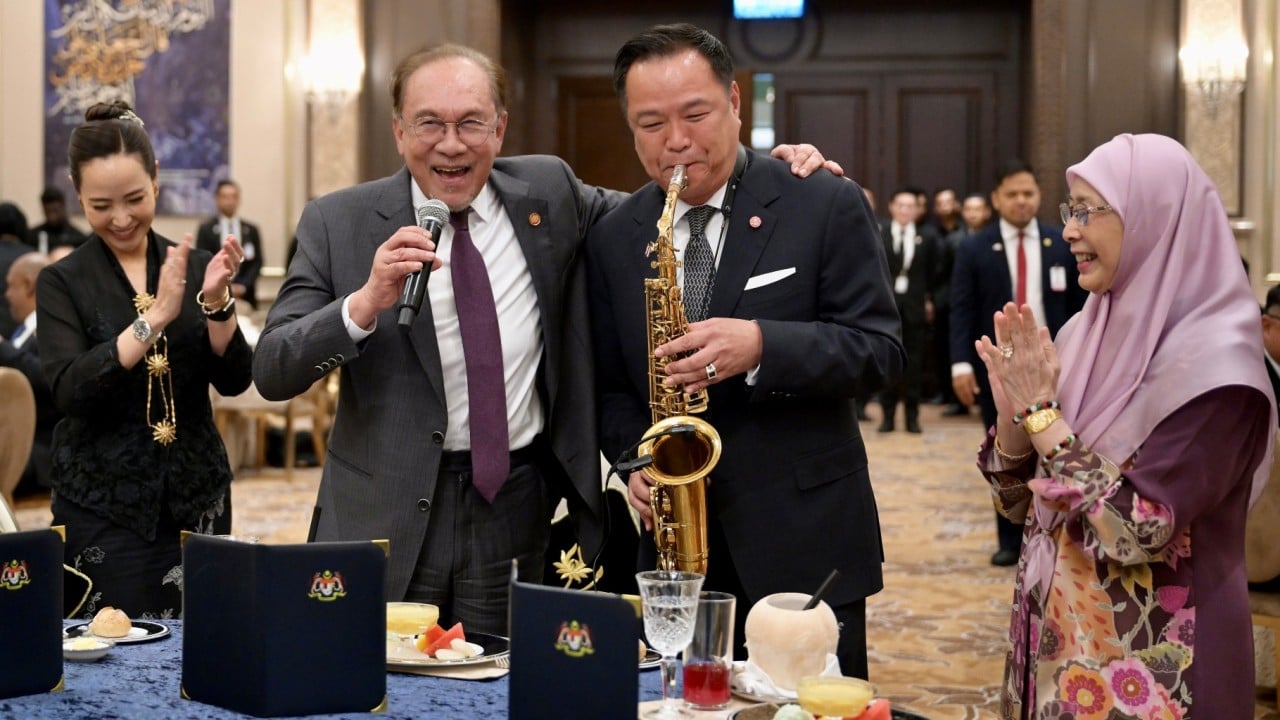
On July 10, 2026, two men in impeccably tailored suits arrived at this specific stretch of tarmac to cut a ribbon. Malaysian Prime Minister Anwar Ibrahim and newly reappointed Thai Prime Minister Anutin Charnvirakul stood shoulder-to-shoulder, smiles locked firmly into place. They were here to officially open a new access road linking the immigration checkpoints of Bukit Kayu Hitam and Sadao. The cameras flashed. The handshakes were long, performative, and heavy with symbolic weight.
Publicly, the narrative was flawless. It was a masterclass in diplomatic theater, scored to the upbeat melodies of regional integration, shared agricultural memorandums, and a joint vision of a "zone of opportunity."
But the theater is meant to distract from the hum of the wire. Behind the grand announcements of a unified ticketing system for the Bangkok-Hat Yai-Kuala Lumpur rail line and joint flood warning systems along the Golok River lies a far more fragile reality. The smiles in Putrajaya and Kedah are real, but they are carefully calibrated to mask a deep, systemic friction that has plagued the Thai-Malaysian relationship for decades. When the state dinners end and the ink dries on the agricultural agreements, the quiet, uncomfortable truth remains: two neighbors are trying to build a bridge on shifting sand.
The Geography of Mutual Distrust
To understand why a simple stretch of asphalt requires the personal intervention of two prime ministers, you have to look past the trade statistics. You have to look at the people who inhabit the borderlands.
Consider a hypothetical truck driver named Azmi. He has spent twenty years hauling goods across this frontier. To Azmi, the border isn't a line on a map; it is an unpredictable organism. One day, the passage is smooth. The next, a sudden tightening of security regulations on the Thai side or a bureaucratic standoff over transport permits in Malaysia leaves him stranded for twelve hours in the suffocating cab of his truck.
Azmi’s daily headache is the direct byproduct of a fundamental clash in national anxieties.
For Thailand, the deep south—the provinces of Yala, Pattani, and Narathiwat—is a region defined by a long-burning, low-intensity separatist insurgency. It is a security nightmare that successive governments in Bangkok have failed to fully untangle. The Thai security apparatus looks at its southern border with chronic suspicion. They see an open backdoor through which insurgents, contraband, and illicit wealth flow with frustrating ease.
Malaysia looks at the exact same geography through a completely different lens. For Kuala Lumpur, the northern states are economically vulnerable territories that rely heavily on cross-border stability. Anwar Ibrahim's administration desperately needs the northern corridor to thrive to fulfill domestic economic promises. Yet, whenever Bangkok launches a counter-insurgency crackdown or tightens the border under the guise of security management, it is the northern Malaysian economy that chokes.
This is the invisible stalemate. Thailand prioritizes iron-clad security, often at the expense of economic fluidity. Malaysia prioritizes economic integration, frequently frustrated by Thailand’s militarized approach to the frontier.
The Ghosts in the Room
During the plenary meetings in Kuala Lumpur, the official talking points leaned heavily on the upcoming 70th anniversary of diplomatic relations in 2027. It is an impressive milestone. Yet, the ghost of regional instability haunted the edges of the room.
Anwar praised Thailand’s constructive role regarding the ongoing chaos in Myanmar. Anutin nodded, reiterating Thailand’s commitment to humanitarian assistance along its western flank. On paper, it was a moment of unity. In reality, it highlighted a profound divergence in how both nations view the concept of sovereignty.
Malaysia has consistently pushed for a tougher, more proactive ASEAN stance against the military junta in Myanmar. Thailand, sharing a massive, porous 1,500-mile border with the war-torn nation, has historically favored a much more cautious, back-channel approach to diplomacy.
This difference in style is not academic. It reflects a core psychological divide between the two leaderships. Anwar Ibrahim is a political survivor whose brand is built on reform, human rights, and vocal internationalism. Anutin Charnvirakul is a pragmatic, elite dealmaker navigating the treacherous, shifting currents of Thai coalition politics. They speak different political languages.
When the two leaders announced an ambitious target to fast-track transport infrastructure, revive the maritime ferry between Satun and Kuala Perlis, and resolve import disputes over Asian sea bass, they were attempting to use commerce as an anesthetic. If we can make the money flow fast enough, the theory goes, perhaps we can ignore the underlying political friction.
The Real Cost of the Ribbon-Cutting
The true test of the Bukit Kayu Hitam summit won’t be measured by the length of the new road or the volume of shrimp traded under the new agricultural Memorandum of Understanding. It will be felt by the communities along the Golok River, where the proposed joint flood warning system is supposed to be built.
For the people living on those riverbanks, diplomacy isn't a headline. It is the difference between keeping your home dry or watching your life savings wash away because two governments couldn't synchronize their hydrological data in time.
The real tragedy of modern diplomacy is that it treats these human-centric realities as secondary to the grand performance of statecraft. The press releases celebrate the $30 billion annual trade target as if numbers alone can heal deep-seated geopolitical mistrust. They cannot.
As the motorcades sped away from Bukit Kayu Hitam, leaving behind a pristine stretch of road and a fresh set of tire tracks, the border guards went back to work. The smiles vanished. The folders were closed. The trucks began to crawl forward again, one by one, under the watchful, suspicious eyes of two nations that are still deeply afraid of what lies across the border.