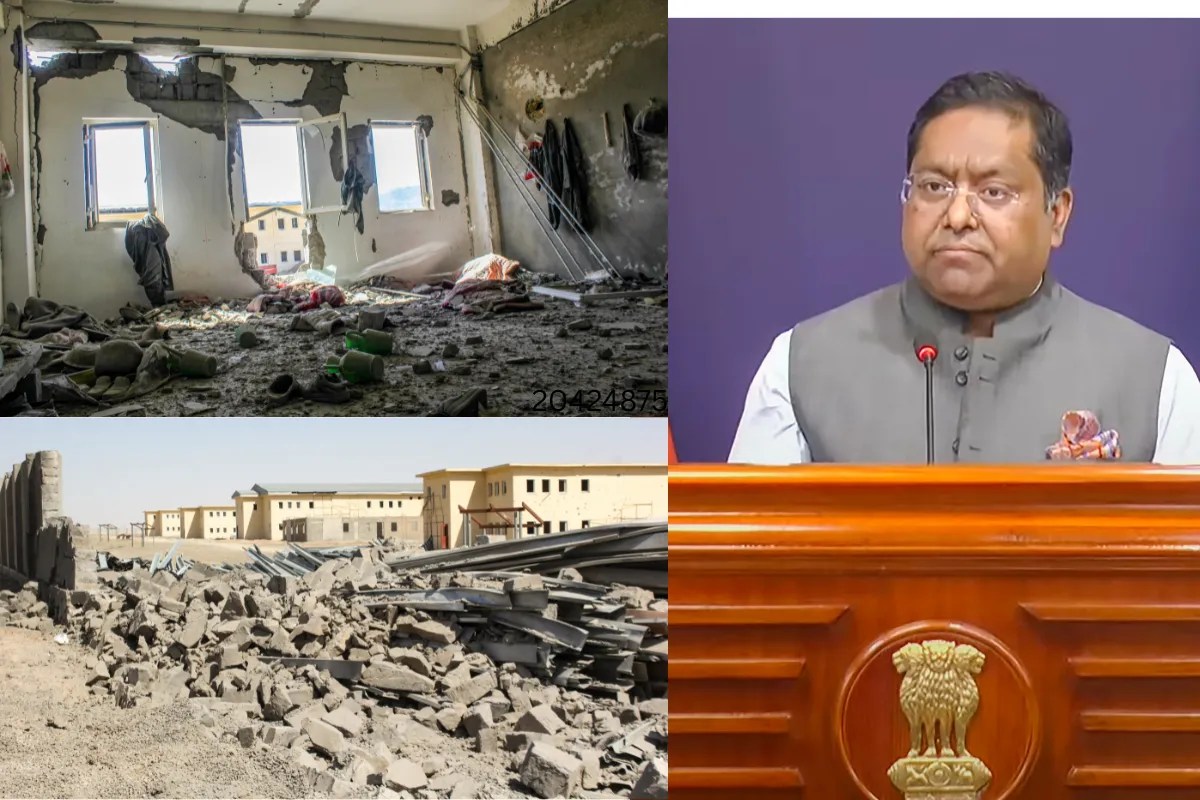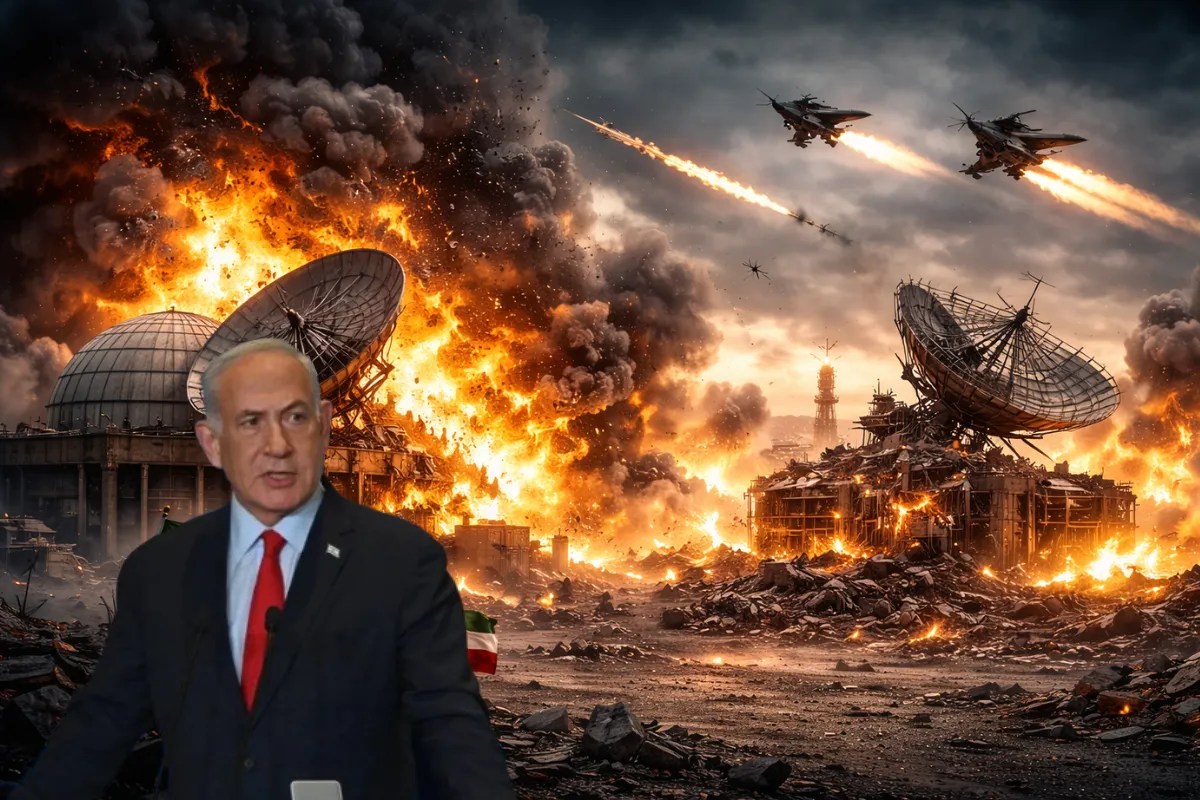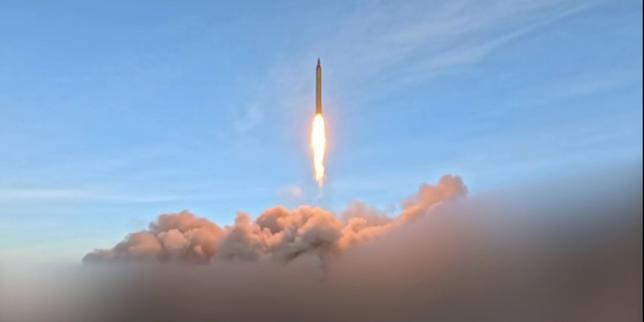
The silence in a southern Lebanese olive grove is never truly silent. It is a thick, expectant thing, layered with the rustle of silver-green leaves and the distant, rhythmic thrum of drones that have become as much a part of the atmosphere as the humidity. But today, the sound changed. It sharpened. The low-frequency hum was punctured by the staccato of "direct" confrontations, a clinical term used by military briefers that translates on the ground to the smell of scorched earth and the bone-shaking vibration of heavy ordnance.
The border is no longer a line on a map. It has become a living, breathing friction point where the geopolitical ambitions of distant capitals collide with the immediate, terrifying reality of those standing in the dirt.
The Geometry of a Disappearing Buffer
When Hezbollah describes "direct" clashes with Israeli infantry, they are describing a collapse of space. For months, this conflict was a long-distance affair—a lethal game of chess played with guided missiles and precision airstrikes. Now, the distance has evaporated. Soldiers are seeing the color of their enemy's gear. This shift from standoff strikes to face-to-face combat marks a transformation in the nature of the war. It is no longer about deterrence. It is about the physical contest for the hills and valleys that have defined this frontier for generations.
Consider the perspective of a family in a village like Odaisseh or Maroun al-Ras. For them, the "escalation" isn't a headline. It is the decision to leave behind a house that has been in the family for eighty years, grabbing only what can fit in a trunk, and driving north while the rearview mirror reflects plumes of grey smoke. The stakes are not just territorial; they are visceral.
The Reach of the Shadow
While the earth shakes in the Levant, the ripples travel with startling speed across the map. On the same morning that the infantry moved, a different kind of tremor was felt over a thousand kilometers away. Drones, small and persistent, bypassed defenses to strike near the capital of Kuwait.
The target was not a military base or a fortified bunker. It was an airport.
This is the new reality of modern friction. A conflict in a small patch of Mediterranean scrubland can, in an instant, flicker across the Arabian Peninsula. The choice of an airport is deliberate. It is a strike at the nervous system of global connectivity. By targeting a hub of transit and commerce, the actors involved are sending a message: no one is truly a spectator. The "Middle East conflict" is an antiquated term that suggests a localized fire. What we are seeing is a networked conflagration where a spark in a Lebanese valley can cause the lights to flicker in a Gulf counting house.
The Invisible Toll of the Kinetic
We often measure these events in the cold language of "attrition" or "territorial integrity." We talk about how many drones were intercepted and how many sorties were flown. We miss the shadow cost.
The shadow cost is the psychological erosion of an entire region. It is the way a businessman in Kuwait City looks at the sky differently after a drone breach. It is the way a mother in Haifa or Beirut learns to distinguish the sound of an outgoing rocket from an incoming interceptor by the pitch of the whistle. This is an education no one asked for, yet it is being forced upon millions.
The drones hitting Kuwaiti soil represent a democratization of terror. You do not need a billion-dollar air force to disrupt the global economy anymore. You only need a few thousand dollars' worth of carbon fiber, some GPS coordinates, and the will to use them. This asymmetry is the ghost in the machine of modern security. It makes the world feel smaller, more fragile, and significantly more unpredictable.
The Architecture of the Stalemate
Beneath the smoke, there is a grim logic at play. Israel’s objective is the restoration of security for its northern communities, a goal that requires pushing Hezbollah back from the immediate fence. Hezbollah’s objective is to prove that the cost of such a move is ruinous. Both sides are operating under the belief that more force will eventually lead to a more favorable silence.
But history in this specific stretch of land suggests otherwise. Force here tends to be additive, not subtractive. Each "direct" engagement creates a new set of grievances, a new generation of combatants, and a deeper layer of rubble to be cleared later. The "directness" Hezbollah claims is a point of pride for a guerrilla force; it is a signal to their base that they are not just victims of high-tech bombardment, but active participants in a physical struggle.
The Sky Above the Terminal
At the Kuwait International Airport, the planes eventually resumed their cycles. The charred patches where the drones hit will be paved over. The flight boards will flicker back to life, listing destinations like London, Dubai, and Paris.
Yet, the vulnerability remains. The incident serves as a reminder that the "front line" is a fiction of the 20th century. In the 21st, the front line is wherever a signal can reach or a motor can hum. The person waiting for a flight in Kuwait is now tethered to the soldier crouching in a Lebanese trench. Their fates are linked by a complex web of alliances, animosities, and the cold, unblinking eyes of unmanned aerial vehicles.
The world watches the "En Direct" feeds, scrolling through updates of fire and maneuvers. We see the flashes. We hear the sirens. But the real story is found in the quiet intervals between the explosions, in the moments when people realize that the old borders—the ones that used to keep the chaos "over there"—have finally, irrevocably dissolved.
The dust in the south of Lebanon eventually settles, but it never stays down for long. It rises with the wind, drifting across borders and oceans, a gritty reminder that in a world this connected, there is no such thing as a distant war.