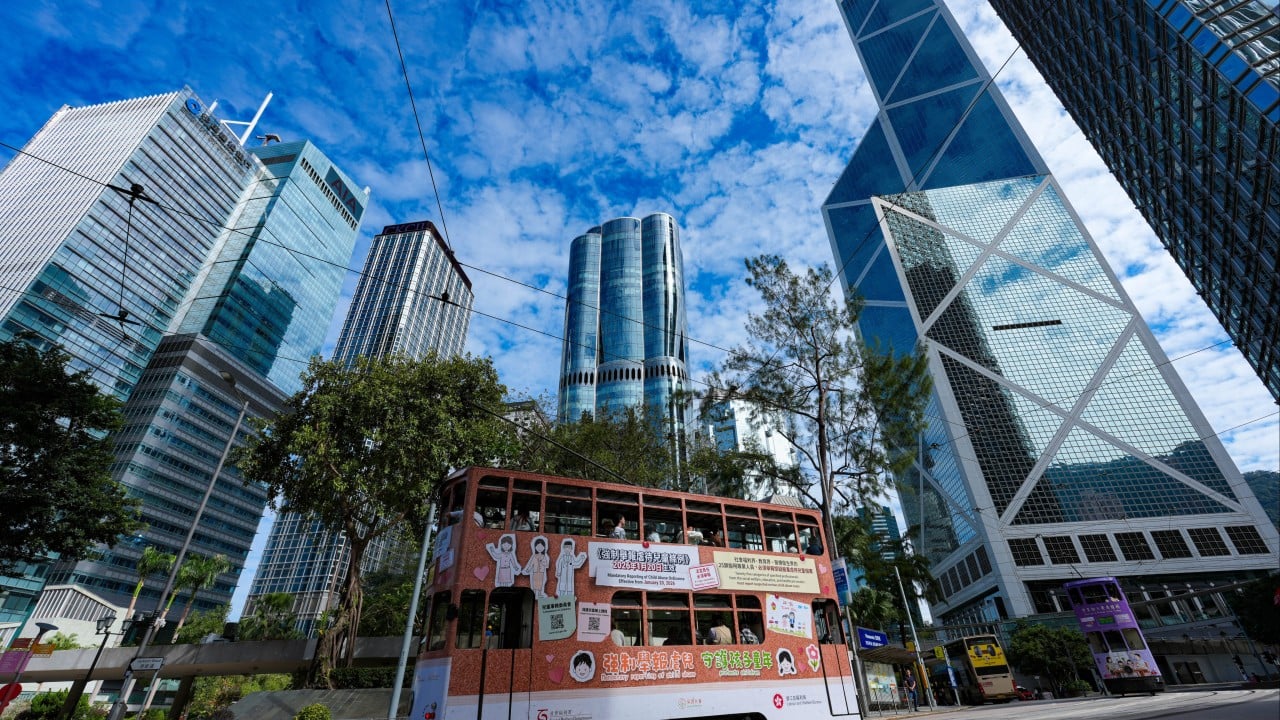
The neon of Causeway Bay does not flicker; it hums. If you stand long enough on a humid Tuesday evening beneath the glowing crimson dragons of a storefront sign, you start to hear the specific frequency of a city refusing to break. It is the sharp clack of a high heel on polished granite, the heavy slide of a glass display case being unlocked, and above all, the dry, rhythmic spit of a receipt printer.
Fifteen months.
That is how long the printers have been running without a prolonged silence. In July, Hong Kong retail sales climbed 4.5 percent. On paper, it is a dry statistical beat from a government spreadsheet, a neat little percentage point that analysts plug into their quarterly models and dismiss with a stroke of a pen. But percentages do not have rent due. Percentages do not sweat behind the counter of a crowded pharmacy in Tsim Sha Tsui, watching bags of dried scallops and imported cosmetics disappear into shopping baskets faster than the stockroom can replenish them.
Meet Uncle Chan. He is a hypothetical composite of three different proprietors I met along Des Voeux Road, though his grease-stained ledger and tired eyes belong to a thousand men just like him. For three years, Chan watched the rain run down his shop windows while the streets stayed hollowed out and quiet. He watched his savings evaporate into the thin air of overhead costs. When the shift finally turned—fifteen months ago—he did not pop champagne. He simply ordered two extra crates of thermal receipt paper and went back to work.
Progress, it turns out, is remarkably unglamorous.
The Weight of a Shopping Bag
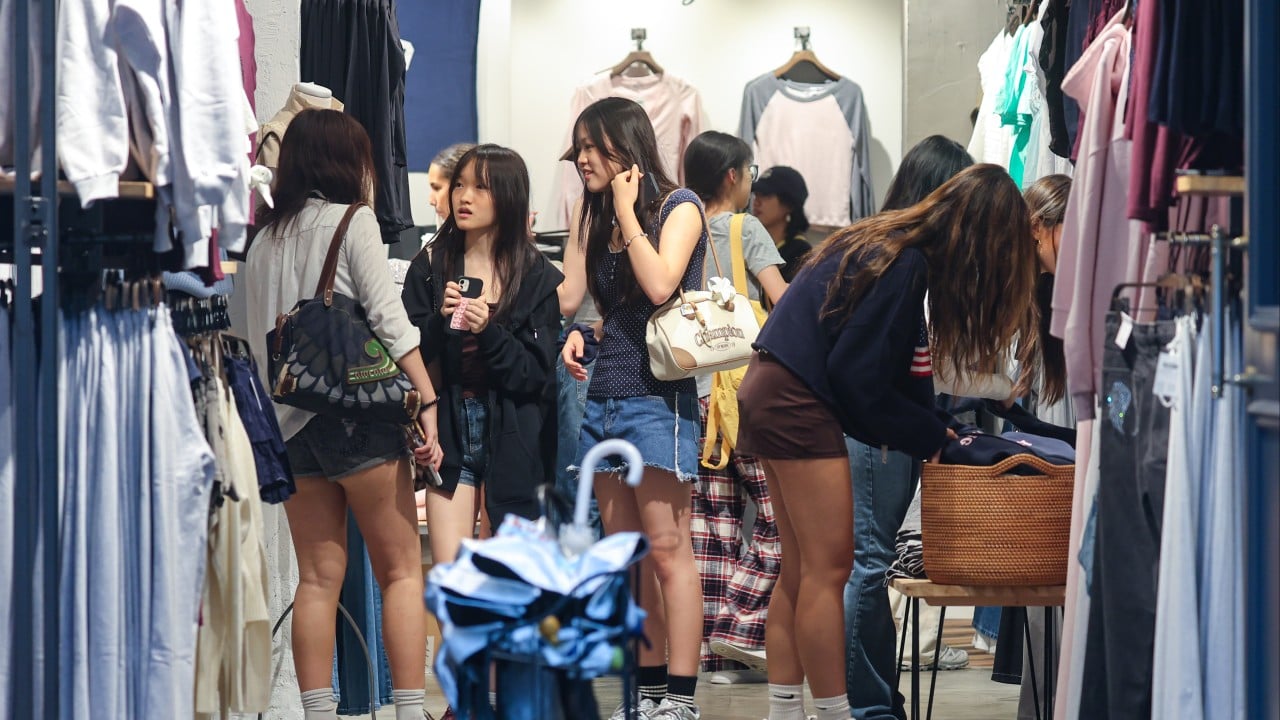
To understand why a 4.5 percent bump matters, you have to look past the luxury flagships on Nathan Road where tourists queue for leather goods. That is the postcard version. The real pulse of Hong Kong retail beats in the crowded alleyways where local families buy their groceries, where neighborhood apothecaries sell cough syrup and herbal tonics, and where shoes wear through the soles of workers pounding the pavement.
Consumer confidence is a fragile animal. It takes years to bleed out and months to creep back, paw by tentative paw. When people open their wallets wider—pushing total retail sales up month after month—they are not making a macro-economic statement. They are making a deeply personal bet on tomorrow. They are deciding that tonight is the night they buy the fresh fish instead of the frozen one. They are choosing to replace the frayed school shoes a week early.
The numbers tell a story of stubborn resilience. Total retail sales reached an estimated $31 billion Hong Kong dollars for the month. Supermarkets saw steady foot traffic. Apparel and footwear retailers finally cleared out inventory that had gathered dust through seasons of uncertainty. Even jewelry and watches—the traditional barometer of big-spending tourists—found a second wind, though the composition of those buyers has shifted away from the frantic tour groups of the past toward independent travelers seeking hyper-specific luxury experiences.
Yet, walking these streets, you can feel the tension beneath the numbers. The recovery is uneven. It favors the agile, the digital-first storefronts, and the neighborhoods with resilient foot traffic. For every shop owner watching lines form at the register, another is wrestling with soaring commercial rents that refuse to adjust to the new economic reality.
The Quiet Architecture of Recovery
Economics taught in lecture halls assumes human beings are calculators running optimization equations. Real life is messier. It is built on psychology, habit, and memory.
When a city has been through economic whiplash, the psychological scar tissue remains long after the bank accounts stabilize. People hold onto their cash because they remember the cold grip of scarcity. Breaking that habit requires momentum—a relentless, compounding string of good months that slowly rewrites the internal narrative from defense to offense. Fifteen consecutive months of growth acts as a psychological battering ram. It breaks down the defensive wall.
Consider what happens next in a market like this. When shoppers return consistently, landlords lose their leverage to demand punishing rate hikes. Supply chains recalibrate. Small business owners stop wondering if they will make payroll on Friday and start planning their inventory for the upcoming autumn festivals.
I watched a young woman in a crowded Central boutique spend twenty minutes debating between two silk scarves last week. She was not rushing. She was savoring the friction of choice. In a collapsing economy, choices disappear; you buy what is cheap or you buy nothing at all. The return of deliberation—the luxury of standing in a brightly lit room, touching fabric, and wondering which color suits your mood—is the truest metric of a recovering society.
The Unfinished Chord
The headlines will move on. Tomorrow, some new global shockwave will rattle the stock exchanges, or a new tech trend will dominate the financial columns. Analysts will debate whether a 4.5 percent increase is enough to offset structural changes in consumer habits, pointing to outbound travel spikes where locals spend their weekends across the border in Shenzhen.
Let them debate.
Down on the street, the receipt printer keeps spitting out its narrow ribbons of white paper. Uncle Chan is wiping down his counter, the metal shutters of the neighboring shop are clattering open for the morning shift, and the heavy, humid air of the harbor is carrying the unmistakable scent of a city that has decided to keep moving forward, one transaction at a time.