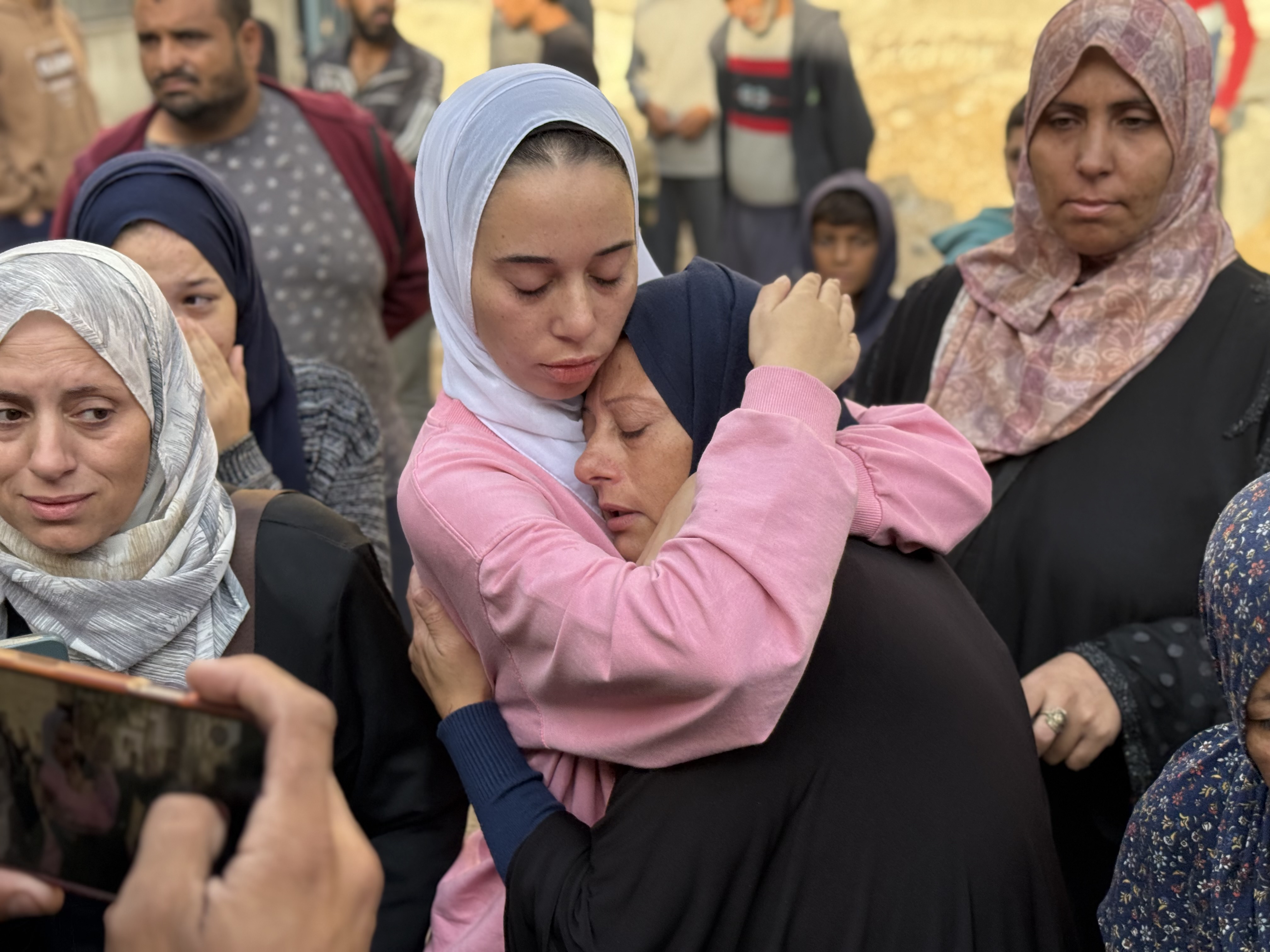
The air smells of crushed stone and old dust. It is a specific smell, heavy with the weight of things that used to be kitchens, bedrooms, libraries, and bakeries. When you walk through the alleyways of Gaza, you do not just hear the city; you feel it vibrating beneath the soles of your shoes. Every fractured piece of concrete tells a story of a morning interrupted, a cup of tea left half-drunk on a table, a conversation cut short by a sound that leaves no room for replies.
Behind every microphone in a foreign news bureau, behind every carefully polished dispatch read by a familiar voice across kitchen radios in Washington or London, there is a quiet room. In that room, a reporter sits with a notebook that is swelling at the seams. Pages are torn, taped together, stained with sweat and the cheap ink of ballpoint pens that gave out during moments of high velocity.
Consider what happens when the cameras turn off. The satellite trucks hum their low, mechanical song against the backdrop of an evening that brings no relief. NPR’s correspondents, like many who have stood in the dust of long-standing conflict, carry a distinct kind of exhaustion. It is not merely physical fatigue from sleeping in armored vests or dodging the sudden flash of ordnance. It is the exhaustion of translation. How do you take the unbearable math of survival and compress it into a ninety-second spot for Morning Edition? How do you explain to someone sitting in a sunlit kitchen in Ohio, buttering toast while the coffee brews, what it means when an entire neighborhood forgets what silence sounds like?
We often talk about ceasefires as if they are light switches. Click. The darkness ends. The light begins.
Real life refuses to obey the switch.
When a fragile pause settles over the strip—whether for four days, a week, or the agonizing stretch of weeks that blur together—the silence does not feel peaceful. It feels loud. It feels dangerous. Imagine standing in the middle of a street where every single building on your left and your right has bowed inward, scarred by shrapnel and blackened by fire. The dust hangs suspended in the golden late-afternoon light. People emerge from basements like ghosts stepping out of fog. They do not cheer. They do not throw flowers. They look down at their shoes. They check the hands of their children. They walk three blocks to where a water truck has finally sputtered to a halt, holding yellow plastic jerrycans that are scratched and dented from months of desperate queues.
The reporters watching this from behind wire-mesh windows see the mathematics of recovery trying to write itself in real-time. Trucks roll in through the Rafah or Kerem Shalom crossings—flour, cooking oil, antibiotics, tents. To an outsider reading a headline on a smartphone screen, those numbers look like progress. Ten trucks. Fifty trucks. One hundred trucks.
Dry statistics. Cold ink.
To a father standing in line for flour that might or might not materialize before the shelling resumes, those numbers are gods. They are invisible threads holding the sky up. When the NPR microphone captures the scrape of a metal shovel against the bed of a delivery truck, it is recording the sound of human persistence against impossible odds. It is the sound of someone refusing to let tomorrow be as terrible as yesterday.
Yet, behind the reporting lies a profound, haunting uncertainty. How do you report on a ceasefire when everyone in the room knows the expiration date before the ink is dry?
Journalism in a war zone requires an act of radical empathy coupled with clinical detachment. You cannot afford to weep while the mortar is falling, because your job is to record the coordinates, the name of the clinic that lost its roof, the age of the child whose eyes are too wide for his face. But you also cannot remain entirely numb, or your words become hollow monuments to indifference.
The reporters who have chronicled the ebb and flow of violence in Gaza over the past year speak of a strange temporal distortion. Time loses its linear shape. Monday feels like three years ago. A week of quiet is not a vacation from fear; it is an intake of breath before the plunge. People use the quiet to dig through the ruins of their homes with their bare hands, searching for a wedding album, a silver ring, or the bones of a brother. They do not talk grandly about geopolitics while their fingers bleed into the mortar. They talk about flour. They talk about whether the pharmacy two streets over still has insulin. They talk about whether the school down the road will reopen so their daughter can remember how to hold a pencil instead of a shard of glass.
When those radio dispatches cross the ocean, they pass through a strange filter. The listener hears a clear, measured voice speaking in standard American English. The voice is calm. The cadence is steady. That steadiness is a professional armor, forged in newsrooms and honed through years of reporting from dangerous corners of the globe. But beneath that calm exterior is the memory of the smell of cordite, the flash of light on a distant ridge, and the look in the eyes of a mother who has buried three children and now worries about the fourth.
We consume news as a commodity. We swipe through feeds while waiting for the subway. We listen to podcasts while driving to the supermarket. We treat distant tragedies as background noise to our daily routines, a tragic weather report from a place we will never visit.
But the people inside the microphone are not weather patterns.
They are architects of memory in a place where memory is constantly being pulverized into dust. When an NPR reporter documents the passage of a year marked by broken agreements, momentary lulls, and relentless grief, they are performing an act of witness that defies the erasure of war. War wants you to disappear. War wants your history reduced to a pile of rubble and an uncounted statistic.
The microphone resists that erasure.
Think of the child kicking a deflated soccer ball against a concrete slab that used to be a wall. There is no audience cheering for him. There are no medals for waking up in the morning and deciding to boil water over a fire made of broken crates. There is only the long, grinding persistence of life trying to reclaim territory from the void.
When the broadcast ends, the radio clicks off in the kitchen across the ocean. The toast is eaten. The car keys are picked up from the counter. The listener steps out into their own Tuesday morning, wrapped in the protective insulation of safety and routine.
Back across the sea, the sun dips below the jagged horizon of concrete skeletons. The generators hum their tired mechanical prayer against the dark. The reporter sits in the dim light of a generator-powered lamp, tapping notes into a screen, searching for the exact word that might cross the immense, unbridgeable gulf between two entirely different worlds. And somewhere in the dark, a dog barks, a siren wails in the distance, and the night holds its breath once more.


