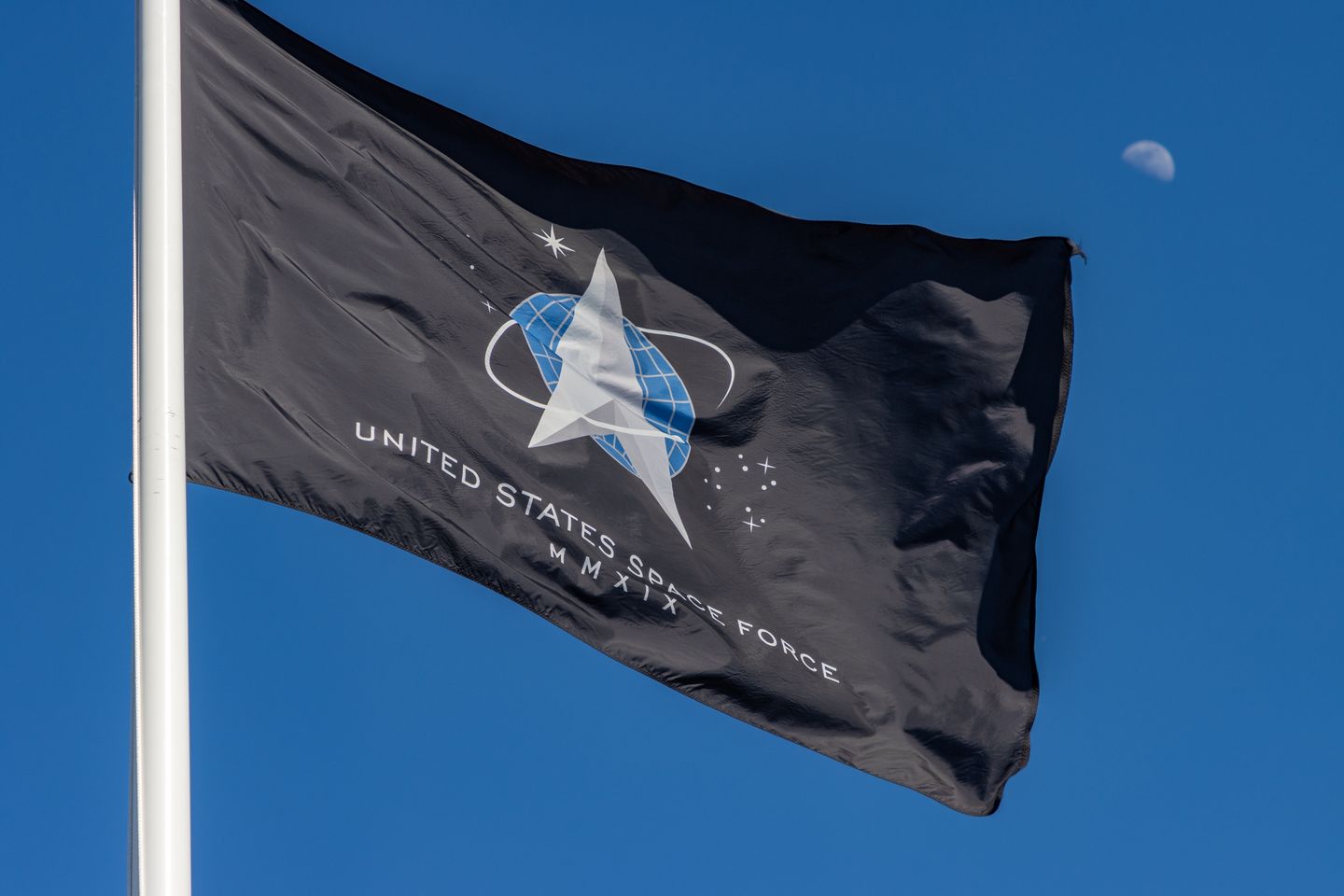
The mainstream media is having a collective meltdown over a compromised Instagram account. When a high-ranking Space Force official’s social media profile briefly starts blasting pro-Iran propaganda, the immediate reaction from the chattering class is predictable. They scream about cyber warfare. They speculate about state-sponsored digital espionage units. They imply that the integrity of Western aerospace defense is hanging by a single, frayed thread.
This reaction is completely wrong. It misdiagnoses the threat, misunderstands how modern communication works, and fundamentally misallocates national security priorities.
Let us be completely clear about what actually happened. A consumer-grade social media profile got breached. That is not a failure of military infrastructure. It is a failure of basic digital hygiene. Conflating the two does not make us safer. It makes us look foolish, reactive, and easily rattled.
The Myth of the Elite State-Sponsored Super-Hacker
Every time a public figure loses control of a social media handle, the narrative machinery spins up the same tired trope: the shadowy, highly funded foreign operative operating from a subterranean bunker.
The reality is far more mundane. The overwhelming majority of social media takeovers do not rely on zero-day exploits or sophisticated code. They rely on the same cheap, automated tricks that target teenagers and small business owners every single day.
- Credential Stuffing: Reusing the same password across multiple platforms. If a mid-tier e-commerce site gets breached, those credentials immediately go into an automated botnet designed to test them against major platforms.
- Basic Phishing: A deceptive email claiming a verification badge is expiring or a policy violation has occurred.
- SIM Swapping: Exploiting weak verification protocols at civilian telecom companies to intercept SMS-based two-factor authentication codes.
I have spent nearly two decades auditing corporate security architectures and investigating breaches. I have seen organizations spend seven-figure sums on enterprise-grade firewalls, only to watch their executive suite hand over their personal access codes to a clumsy landing page that looked like it was designed in 2012.
Calling a standard credential theft a "cyberattack" on a military branch elevates a common nuisance to the status of a strategic strike. It gives adversaries free psychological real estate. If a script kiddie using an automated scanner can convince the Western press that they have compromised the Space Force, the adversary wins the information war without ever touching a piece of actual military hardware.
Meta is Not the Pentagon
The underlying panic relies on a flawed premise: that a general’s Instagram grid shares a technological ecosystem with tactical data networks.
It does not. Meta platforms operate on commercial infrastructure designed for mass data ingestion and ad delivery. Space Force operations run on entirely separate, heavily compartmentalized networks, utilizing specific encryption standards and strict physical isolation.
| Metric | Commercial Social Media | Military Operational Networks |
|---|---|---|
| Primary Goal | Maximized engagement and friction-free user access | Strict access control and zero-trust verification |
| Authentication | Basic passwords, SMS 2FA, third-party authenticators | Hardware-based tokens, multi-layered cryptographic keys |
| Data Separation | Shared cloud infrastructure | Air-gapped environments, dedicated secure facilities |
| Vulnerability Surface | High (third-party apps, browser extensions, public APIs) | Drastically minimized, heavily restricted software suites |
When someone gains unauthorized access to a public figure's Instagram account, they have not breached a secure perimeter. They have walked through a revolving door at a public shopping mall. The event tells us absolutely nothing about the security of our orbital tracking systems, satellite communications, or strategic defense capabilities.
To suggest otherwise implies that commercial tech giants are the gatekeepers of our national defense. They are not. They are public billboards. If someone defaces a billboard outside a military base, you do not declare a state of emergency. You buy some paint and clean it up.
The Real Threat is the Panicked Overreaction
The true vulnerability exposed by incidents like this is not technological. It is psychological. The adversary's goal with low-level defacement is not to steal operational secrets; it is to project an illusion of capability.
When major outlets treat an Instagram breach as a significant geopolitical event, they validate that illusion. They create a disproportionate sense of vulnerability among the domestic public and hand cheap propaganda victories to foreign actors.
Consider the mechanics of a standard information operation. A hostile actor does not need to compromise a satellite. They just need to make the public believe they have the capability to disrupt the system. By over-indexing on social media compromises, the media helps manufacture that belief. We are doing the adversary's heavy lifting for them.
Dismantling the Bad Security Advice
Look at the standard commentary following these incidents and you will find a checklist of superficial fixes. "We need more comprehensive social media training for officers." "We need stricter oversight of personal devices."
This advice misses the mark because it attempts to secure the unsecurable. Commercial social media is inherently vulnerable because it prioritizes convenience over absolute security. A platform that allows a user to reset their password via an email link or a text message will never be a secure environment, no matter how many training seminars you mandate.
Instead of trying to transform civilian platforms into unbreachable fortresses, we must change how we view them entirely.
1. Decouple Official Identity from Commercial Platforms
Military and intelligence organizations must stop treating commercial social media as authoritative channels for official communication. If an account can be compromised by a rogue employee at a tech company or a sophisticated phishing link, it should not be used to issue critical statements or represent official stances.
2. Standardize the "Burn Protocol"
When an account is compromised, the response should be mechanical and low-key. Do not issue dramatic press releases about foreign interference. Trigger the platform’s standard recovery process, restore the account, and move on. The more bureaucratic and boring the response, the less incentive adversaries have to attempt the stunt in the first place.
3. Accept Residual Risk Without Panic
You cannot eliminate human error on personal or promotional accounts. A general’s spouse, an aide, or the official themselves will eventually make a mistake. Accept this as a cost of doing business on the public internet. The moment we stop treating social media as an extension of the warfighting apparatus, a compromised account ceases to be a headline.
The Dangerous Allure of Digital Theater
Why does this lazy consensus persist? Because digital theater is easy. It is easy for security vendors to sell expensive "executive digital footprint protection" packages. It is easy for commentators to write alarmist columns about the new frontier of warfare. It is easy for politicians to demand hearings on tech platform security.
The hard work of national security happens in the unglamorous, highly technical realms of supply chain verification, legacy system modernization, and secure hardware development. Those topics do not generate clicks. They do not make for exciting cable news segments.
Imagine a scenario where an adversary spends millions of dollars trying to penetrate a hardened military database, fails completely, and decides instead to buy a leaked password list for $50 on the dark web to log into an officer's public profile. If we react with equal panic to both scenarios, we have lost our sense of perspective.
Stop treating every digital annoyance as an act of war. Stop elevating low-level account compromises to national security crises. The Space Force is tasked with protecting critical orbital infrastructure, not managing the public relations fallout of a compromised app. Let them focus on the sky, and stop obsessing over the feed.