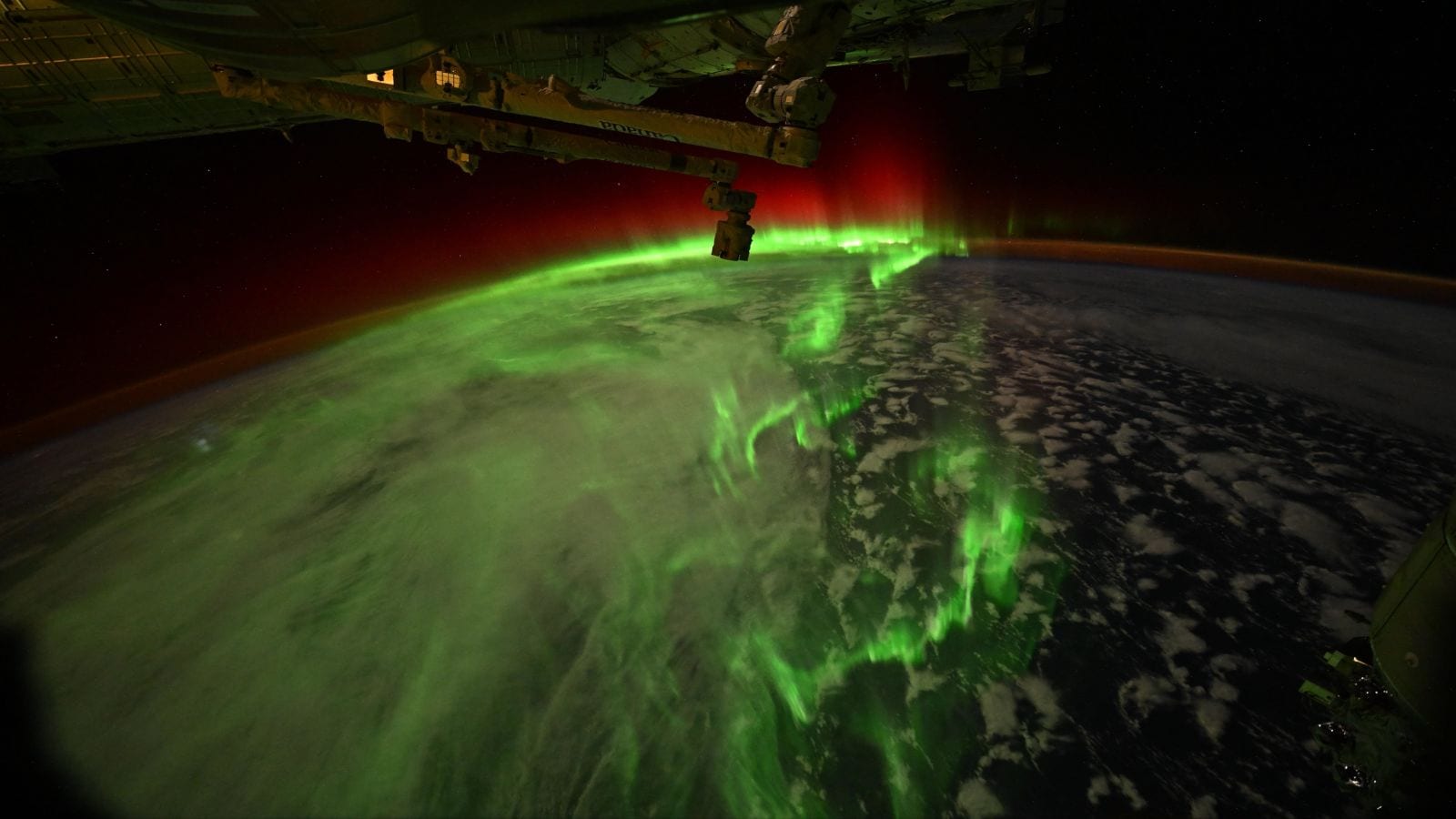
A massive coronal mass ejection—a billion-tonne cloud of magnetized plasma launched from the sun—is heading toward Earth. While sensational headlines often paint this as an apocalyptic scenario, the reality is far more nuanced, technically complex, and quietly concerning. This is not about the end of the world. It is about the systemic vulnerabilities in our highly interconnected power grids and satellite networks that we continue to ignore.
The immediate threat from a solar flare and its subsequent plasma cloud is not physical destruction to human life. The atmosphere shields us. Instead, the danger lies in geomagnetically induced currents (GICs) that can saturate extra-high-voltage transformers, disrupting power distribution and crippling satellite communications.
The Mechanics of a Solar Onslaught
To understand the risk, we must look at how the sun interacts with our planet. A solar flare releases a burst of X-rays and ultraviolet radiation that reaches Earth in eight minutes, ionizing the upper atmosphere. This can cause immediate radio blackouts. Following the flare, a coronal mass ejection (CME) acts as a physical projectile, travelling at millions of miles per hour.
When this plasma cloud hits the magnetosphere, it causes a temporary disturbance known as a geomagnetic storm.
Solar Flare (8 Min) ----> Ionospheric Disruption ----> Radio Blackout
CME (1 to 3 Days)   ----> Geomagnetic Storm    ----> Grid/Satellite Risk
The incoming magnetic field line connects with Earth’s magnetic field. This transfer of energy creates powerful currents in the upper atmosphere. By induction, these currents find the path of least resistance on the ground: long-distance metal infrastructure like oil pipelines and electrical transmission lines.
The Transformer Vulnerability
Our modern electrical grid is a marvel of engineering, but it was designed for a different era. Extra-high-voltage transformers are the backbone of long-distance power transmission. They are highly sensitive to direct current (DC) entering through ground connections during a geomagnetic storm.
When GICs enter a transformer, they cause core saturation. This leads to several immediate problems:
- Extreme Overheating: The internal temperature can spike within minutes, melting copper windings.
- Harmonic Distortion: The quality of the electrical power degrades, causing protective relays to trip mistakenly.
- Increased Reactive Power Demand: The grid begins to consume more power than it generates, risking a cascading blackout.
Replacing a damaged extra-high-voltage transformer is not a matter of a few days. These units are custom-built, weigh hundreds of tonnes, and have manufacturing lead times that span months. A widespread failure across multiple nodes could leave regions dark for an extended period.
The Orbital Risk Factor
We rely on low-Earth orbit (LEO) for everything from global internet to climate monitoring. During a severe geomagnetic storm, the upper atmosphere absorbs energy and expands upward.
This expansion increases the density of the air at orbital altitudes.
Satellites suddenly experience significantly higher atmospheric drag. For small satellites without robust propulsion systems, this drag acts as a brake, pulling them down into lower orbits and shortening their operational lifespan. In a worst-case scenario, it can trigger uncontrolled re-entries.
Furthermore, the increased radiation environment poses a direct threat to onboard electronics. High-energy electrons can penetrate spacecraft shielding, causing internal charging and electrostatic discharges that fry delicate circuitry.
The Cost of Inaction
Proactive mitigation exists, but implementation is uneven. Grid operators can artificially reduce power loads or isolate vulnerable transformers when space weather alerts are issued. However, these actions carry economic penalties, and operators are often hesitant to pull the trigger based on predictions that operate with significant margins of error.
We have historical precedents like the 1859 Carrington Event or the 1989 Quebec blackout to warn us. Yet, the investment in hardening ground infrastructure remains minimal compared to the potential economic fallout of a multi-week power outage.
The current approach relies heavily on early warning systems like the Deep Space Climate Observatory (DSCOVR) satellite, positioned between Earth and the sun. This provides roughly 15 to 45 minutes of advanced notice before a CME hits. Relying on a single point of failure for our primary warning system is a critical vulnerability that receives little public scrutiny.
As we approach the peak of the current solar cycle, the probability of a direct hit from a major coronal mass ejection increases. The threat is quantifiable, predictable, and entirely manageable if the proper infrastructure investments are made before the next major solar event forces our hand.