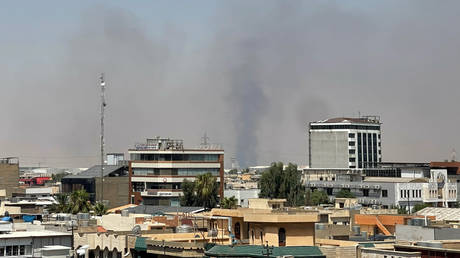
The Emergency Panic Trap
Every summer, predictable headlines sweep across Western media: "Spain Declares National Emergency Over Wildfires." Governments dispatch fleets of water-dropping aircraft. Politicians make somber speeches promising millions in emergency aid. The public nods along, convinced that more fire trucks and bigger response budgets are the only thin red line between civilization and total incineration.
It is a comfortable narrative. It is also completely wrong.
The standard media framing treats Mediterranean wildfires as sudden, unpredictable natural disasters exacerbated purely by heatwaves. By framing the issue entirely around emergency response, governments obscure the actual root cause: decades of rural abandonment, terrible land management policies, and an irrational obsession with fire suppression over land stewardship.
We are treating a chronic structural disease with acute panic.
The Suppression Paradox: Why Fighting Fires Makes Them Worse
I have spent years analyzing resource allocation across environmental sector crises. Time and again, the same flaw emerges: leaders confuse immediate tactical suppression with actual risk management.
By immediately extinguishing every minor brushfire, emergency services build up huge reserves of unburned biomass across forests. Forestry experts refer to this mechanism as the "Suppression Paradox." When you aggressively put out every small flame for thirty years, you are not preventing fires—you are simply banking combustible fuel for an inescapable megafire.
[Image of the fire triangle]
When a fire inevitably breaks out under extreme conditions, the sheer volume of accumulated undergrowth creates an inferno so intense that water bombers become useless.
Consider a thought experiment. Imagine a city that bans all controlled trash collection to avoid temporary bad odors, choosing instead to let garbage pile up in alleyways while spending millions on emergency hazardous waste teams when a dump site inevitably overflows. That is precisely how southern Europe manages its forest floor.
Rural Exodus and the Collapse of Natural Firebreaks
Look beneath the headlines of the fires near Madrid and Avila. You will not find an unpredictable act of nature. You will find the direct result of rural depopulation—what Spaniards call la España vaciada (empty Spain).
For centuries, traditional agriculture kept wildfire risks extremely low:
- Livestock grazing cleared thousands of tons of combustible dry grass and underbrush every spring.
- Firewood collection kept forest floors clear of fallen branches and timber.
- Mosaic land use—a patchwork of small farms, vineyards, and cleared pastures—created massive natural firebreaks that physically prevented flames from spreading across entire mountain ranges.
Over the past fifty years, small-scale rural farming collapsed. Millions moved to urban centers like Madrid. Lands were abandoned, allowing dense, continuous, unmanaged brush to swallow millions of acres. The traditional firebreaks vanished.
When media reports declare a "national emergency," they treat the ignition as the problem. The ignition is irrelevant. Lightning strikes, spark plugs, or discarded glass will always happen. The issue is the uninterrupted sea of dead fuel waiting for a spark.
The Financial Realities of Fighting Smoke vs. Managing Fuel
Throwing money at tactical suppression is politically easy. A politician standing in front of a heavy-duty water-retardant aircraft looks proactive. A politician explaining why we need to spend funds on goat herds and controlled burning during the cold winter months does not get the same press coverage.
| Strategy | Primary Cost | Long-Term Efficacy | Political Appeal |
|---|---|---|---|
| Emergency Suppression | Massively High ($10k+/flight hour) | Low (Guarantees future megafires) | High (Creates dramatic news coverage) |
| Controlled Winter Burns | Low | High (Reduces fuel loads safely) | Low (Produces temporary smoke) |
| Targeted Conservation Grazing | Low to Moderate | High (Restores natural ecosystem barriers) | Low (Lacks high-tech appeal) |
We spend millions deploying heavy machinery after the forest is already burning, yet allocate a fraction of that amount to winter clearing operations. It is bad economics and dangerous ecology.
Redefining Common Questions Around Fire Disasters
"Should Governments Buy More Water-Dropping Aircraft?"
No. Buying more aircraft is an expensive distraction. Water bombers cannot extinguish high-intensity megafires once fuel loads cross a critical threshold; they merely cool the edges to let ground crews work. Investing billions in air fleets while ignoring forest fuel loads is like buying more mops for a house with a bursting main pipe instead of turning off the water valve.
"Is Climate Change the Sole Cause of the Madrid Wildfires?"
Extreme heat and drought undoubtedly create the weather conditions for fast-moving fires, but weather is only one side of the equation. Heat does not create dead brush; land abandonment and total fire suppression do. Blaming climate change entirely allows local authorities to dodge accountability for poor land planning and abandoned rural infrastructure.
"Can Citizens Protect Property by Clearing Immediate Perimeter Space?"
Yes, but individual action around home perimeters is a drop in the bucket if regional forest networks remain unmanaged. True safety requires structural changes to landscape design, restoring pastoral economies, and establishing managed buffer zones miles outside city limits.
How to Fix the Problem Realistically
If we genuinely want to stop burning down regional ecosystems every July, we must abandon reactive emergency theater and execute structural reforms.
- Reintroduce Prescribed Winter Burning: Local forestry teams must burn thousands of hectares during cool, wet months to artificially reduce fuel buildup.
- Subsidize Ecological Pastoralism: Instead of subsidizing static land, direct agricultural funds to farmers who graze livestock along strategic perimeter zones near urban areas like Madrid.
- End the Zero-Tolerance Suppression Mindset: Allow low-intensity, non-threatening brushfires in remote zones to burn naturally during off-peak conditions to clean out undergrowth.
- Mandate Fuel Breaks in Urban-Wildland Interfaces: Enforce strict zoning laws that prevent residential developments from backing directly up to unmanaged timber forests without mandatory cleared buffer zones.
Continuing to treat seasonal wildfires as unexpected national emergencies is an admission of policy failure. Until land management replaces panic management, the forests around Madrid and Avila will continue to burn, no matter how many fire trucks we dispatch.