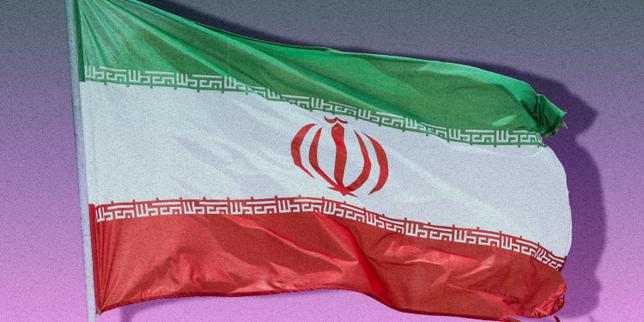
Spain is drawing a line in the sand while France is trying to walk on it. The escalating tensions in the Middle East have exposed a massive rift in European diplomacy that most people are ignoring. While the headlines focus on the exchange of fire between Israel and Iran, the real story for Europeans is the breakdown of a "unified" foreign policy. Madrid has taken a stance of blunt firmness against military escalation. Meanwhile, Paris appears increasingly comfortable—or at least suspiciously quiet—regarding American and Israeli strikes on Iranian interests.
This isn't just a minor disagreement over a press release. It's a fundamental clash of philosophies. One side believes in international law as a hard limit. The other treats it as a flexible suggestion when "strategic interests" are on the line. If you think the EU speaks with one voice on the global stage, you haven't been paying attention to the Mediterranean.
Madrid Refuses to Play the Escalation Game
Pedro Sánchez isn't interested in being a footnote in a Pentagon briefing. Spain has emerged as the most vocal critic of unchecked military action in the region. Their logic is simple. You can't claim to support a "rules-based order" while turning a blind eye when your allies blow up embassies or launch targeted assassinations in sovereign territory.
Spain’s firmness isn't about being pro-Iran. It’s about being anti-chaos. They see the map and realize that a full-scale war in the Middle East doesn't just stay there. It ends up on Spanish shores in the form of energy spikes and migration crises. Madrid has been pushing for an immediate ceasefire and, more importantly, a recognition of Palestinian statehood as a de-escalation tool. They aren't just talking. They've actively blocked Spanish ports from being used to ship weapons that might end up in the conflict. That’s a level of "doing" that makes other European capitals sweat.
The French Balancing Act Is Falling Apart
Emmanuel Macron loves the "strategic autonomy" buzzword. He talks about it constantly. But when it comes to Iran, that autonomy looks a lot like quiet compliance with Washington. France has a long history with Iran—remember, Khomeini lived in Neauphle-le-Château—and they used to pride themselves on being the bridge between Tehran and the West. That bridge is currently under demolition.
France’s current attitude seems to be one of "managed silence." When American or Israeli strikes hit Iranian proxies or IRGC commanders, Paris offers a muted response. They call for "restraint" in the most generic terms possible. It’s a far cry from the fiery Gaullist independence of the past. Why the shift? France is terrified of losing its influence in Lebanon and the wider Levant. They think that by staying in the good graces of the U.S. military apparatus, they keep a seat at the table. In reality, they're just sitting at the kids' table while the adults in Washington and Jerusalem make the big moves.
Why the Disconnect Matters for the Rest of Us
You might wonder why a spat between Madrid and Paris over a country thousands of miles away matters to you. It matters because it proves the European External Action Service is basically a ghost. If the two biggest powers in Southern Europe can't agree on whether an attack is a "justified response" or a "dangerous provocation," the EU has no leverage.
Iran knows this. They play these divisions like a piano. When Spain calls for diplomacy, Tehran uses it as a shield. When France stays silent on strikes, Tehran uses it as proof that Europe is just a vassal of the United States. This inconsistency makes the world more dangerous. It removes the "middle ground" that used to prevent localized skirmishes from turning into regional conflagrations.
The Economic Reality No One Mentions
Let’s talk about the money. Spain’s energy mix is diverse, but they are hyper-sensitive to any disruption in the Mediterranean trade routes. France, on the other hand, is leaning heavily into its nuclear independence but still needs Middle Eastern stability for its TotalEnergies projects.
- Spain wants stability to protect its burgeoning green hydrogen and gas transit role.
- France wants to maintain its status as the primary military power of the EU.
- Neither can achieve their goal if Iran decides to shut down the Strait of Hormuz.
The difference is that Spain thinks you get stability through law. France thinks you get it through "accommodation" of the strongest player. It's a classic realist vs. idealist struggle, played out with drones and ballistic missiles.
High Stakes for 2026
We're seeing the consequences of this divide right now. As we move through 2026, the lack of a coherent European policy on Iran has left a vacuum. Russia and China are more than happy to fill it. Every time France nods along to a strike that Spain condemns, the idea of "Europe" as a global power dies a little more.
Don't expect a reconciliation soon. Sánchez has tied his domestic legacy to a more ethical foreign policy. Macron is too deep into his role as the "global mediator" who somehow never actually mediates anything. The friction between Madrid's "firmness" and Paris's "accommodation" will continue to define the southern flank of NATO.
If you want to understand where the next European crisis will come from, stop looking at the economy and start looking at the Mediterranean diplomatic divide. Watch the shipping lanes. Watch the port authorities in Algeciras versus the naval movements in Toulon. That’s where the real policy is being written. Keep an eye on the next round of EU sanctions votes. If Spain abstains or France pushes for "flexible" language, you'll know the rift has become a canyon.