Morning mist still clings to the stone lanterns of Tokyo. For most people walking through Chiyoda district, the sprawling grounds of Yasukuni Shrine are a place of quiet reflection, a sanctuary of towering trees tucked away from the frantic hum of the metropolis. But every time a high-ranking political figure ascends those polished granite steps, the air across the East China Sea grows cold.
History does not rest quietly in East Asia. It waits.
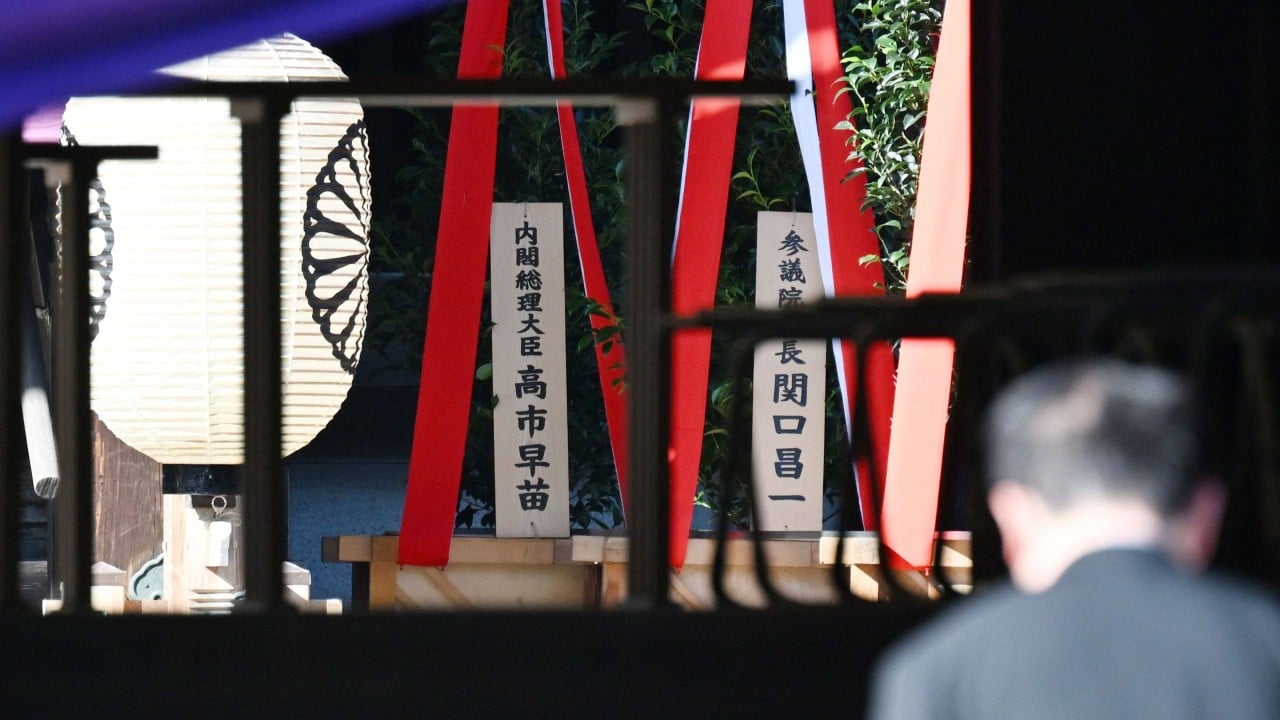
Consider what happens when a ritual offering is made at this specific shrine. To a domestic audience in Japan, it can be viewed as an act of remembrance for the war dead, a cultural tradition honoring those who made the ultimate sacrifice for their country. Yet, just a few hundred miles away in Beijing and Seoul, that exact same gesture is interpreted through a vastly different lens. It is seen as a deliberate revival of militarism, a refusal to fully reckon with the dark chapters of twentieth-century imperialism.
The friction comes down to a name on a list. Enshrined within Yasukuni are millions of souls who lost their lives in service to the Emperor, including convicted Class-A war criminals from World War II. When modern leaders pay homage there, the gesture carries a heavy political gravity. It sends shockwaves through diplomatic channels, reviving grievances that have festered for generations.
China’s recent strong warnings against political figures like Sanae Takaichi over ritual offerings are not isolated diplomatic outbursts. They are part of a continuous, tense dialogue of memory and sovereignty. Beijing warns of remilitarization, pointing to shifting defense postures and constitutional debates in Tokyo as signs of a changing regional balance.
Quietly, ordinary citizens bear the invisible weight of these political chess matches. Trade agreements stall. Cultural exchanges face sudden headwinds. Families whose histories were scarred by past conflicts feel the old wounds reopen every time headlines flare up over a shrine visit.
The core dilemma is profound. How do nations mourn their dead when the architecture of that mourning is seen by neighbors as a threat to peace?
There are no easy answers. The past is never truly past in this part of the world. It is written into the stones, whispered in diplomatic cables, and watched with anxious eyes from across the water. Until a common vocabulary of remembrance can be found, every step onto those sacred grounds will continue to echo across borders, reminding everyone that the architecture of peace is fragile, and the ghosts of history are easily awakened.