Every few years, the weather cycle shifts, the Pacific warms up, and regional governments in Central America reach for the oldest excuse in the book. Headlines across the globe currently paint a tragic picture. El Salvador declares a red alert for farming. Panama slashes daily shipping transits through its famous canal. Honduras panics over parched fields. The culprit on every front page? A powerful El Nino.
It is a convenient narrative. Blaming the skies absolves leadership of decades of structural incompetence.
The lazy consensus treats these recurring droughts as unavoidable acts of God. We are told that when the equatorial Pacific heats up, Central America is simply meant to wither, crops must fail, and global trade must grind to a halt. This framing is not just lazy; it is dangerous. It masks the reality that these crises are man-made failures of resource management, infrastructure design, and political will.
The Myth of the Unforeseeable Shock
El Nino is not a sudden asteroid strike. It is one of the most thoroughly documented cyclical phenomena on Earth. Meteorologists track its buildup months in advance with terrifying precision. Yet every time it arrives, governments act as though they have been ambushed.
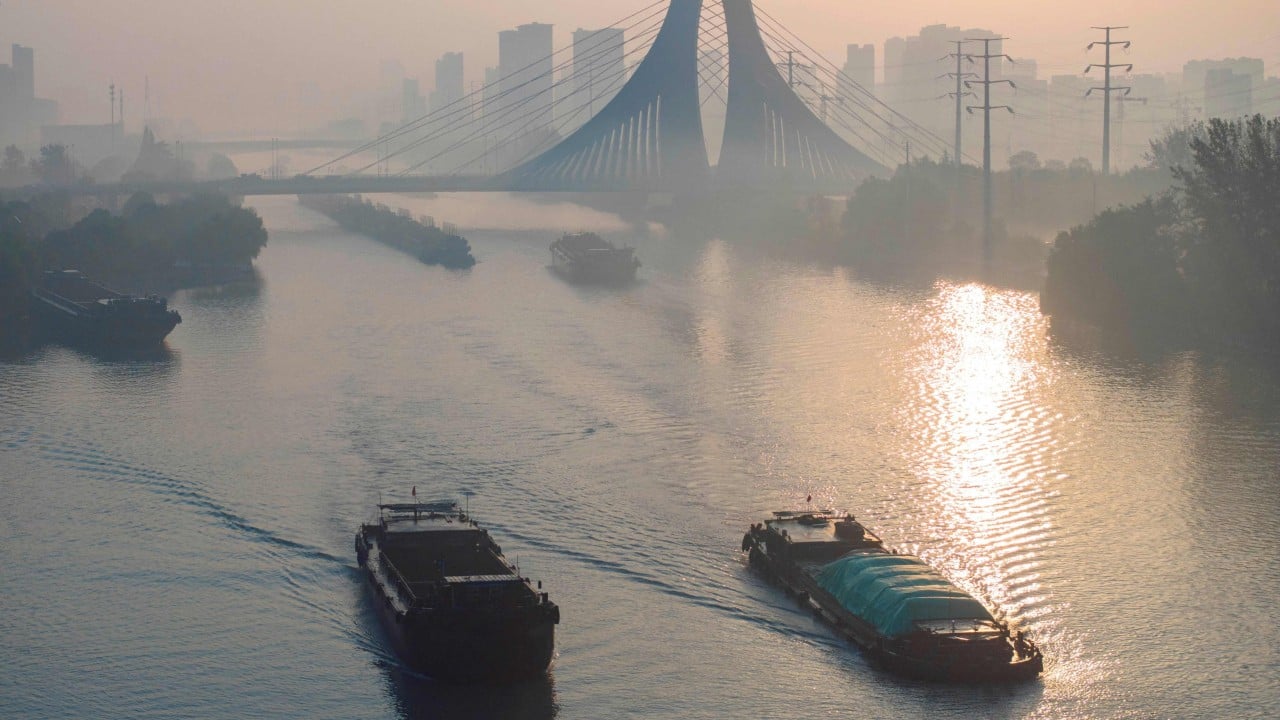
Take the Panama Canal. The waterway relies on a system of artificial lakes—Gatun and Alajuela—that capture local rainfall to fill the locks. When dry spells hit, water levels plummet, forcing restrictions on cargo weights and daily vessel crossings. Media reports frame this as a shocking vulnerability driven entirely by sparse rainfall.
The missing nuance is that Panama has known about this exact structural bottleneck for generations. The lakes feeding the canal do not just power cargo transit; they also supply drinking water for over half of Panama's population. Demanding that a century-old gravity-fed freshwater system service both a booming global trade route and an expanding domestic population without a major modernization of water storage is institutional negligence. Relying on an emergency declaration after the fact is not crisis management. It is a confession of failure.
To understand why this happens, look at how water is treated across the region. It is treated as an infinite freebie until it runs out, at which point it becomes a national emergency.
Agriculture in the Dry Corridor
Farther north, El Salvador and its neighbors in the Central American Dry Corridor face annual agricultural devastation. Smallholder farmers watch their corn and bean harvests turn to dust because they rely entirely on rain-fed systems. When the rains fail to arrive on schedule, the state steps in with emergency food bags.
This cycle of dependency repeats endlessly. Governments spend millions on post-disaster humanitarian aid while refusing to invest in structural irrigation, water catchment systems, or drought-resistant crop varieties.
Imagine a scenario where agricultural subsidies were tied to water efficiency and drip-irrigation infrastructure rather than emergency handouts after the crops die. The technology exists. Techniques like localized drip irrigation and soil moisture conservation can triple water productivity. Yet, millions of rural families are left without basic irrigation infrastructure, forced to gamble their livelihoods against a sky that has always been fickle.
Blaming El Nino for this is like blaming gravity when a poorly built bridge collapses. The weather provides the stress test, but the infrastructure fails because of the foundation.
The Global Trade Toll
The financial fallout extends far beyond local borders. When the Panama Canal limits daily transits, global supply chains shudder. Shippers scramble for alternatives, wait weeks in queues, or pay millions in auction fees just to jump the line. Consumers worldwide ultimately pay the markup on imported electronics, perishable goods, and commodities.
Analysts warn of inflation shocks and food insecurity, pointing an accusing finger at Pacific ocean temperatures. But shipping bottlenecks during dry cycles are entirely predictable line items. Companies that fail to diversify logistics routes or factor water scarcity risks into their operational models are operating on blind faith.
The solution requires abandoning short-term panic in favor of hard engineering and economic realism. Panama has debated constructing new reservoirs, such as the Rio Indio project, for years, only to stall due to political inertia and community displacement concerns. Until leaders possess the political courage to build modern water infrastructure that decouples drinking supplies and commercial transit from seasonal whims, every future weather fluctuation will trigger the exact same panic.
Stop treating recurring climate patterns as black swan events. Expect the dry cycle, build for it, and hold leaders accountable when they act surprised by the sun.