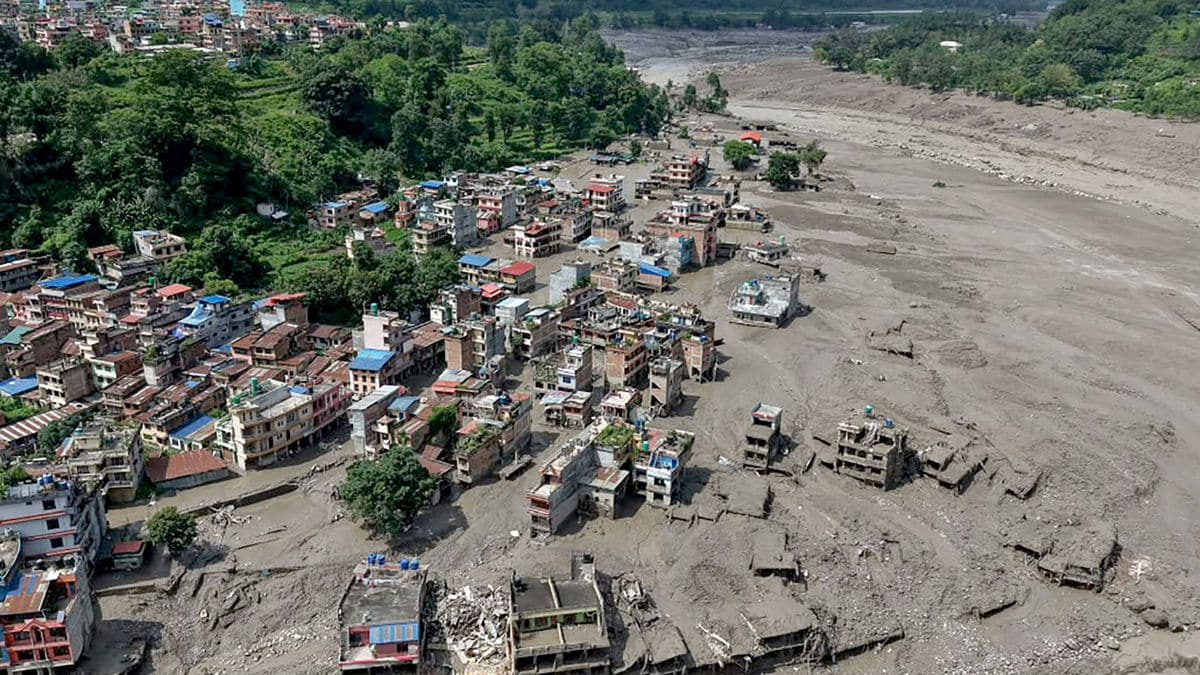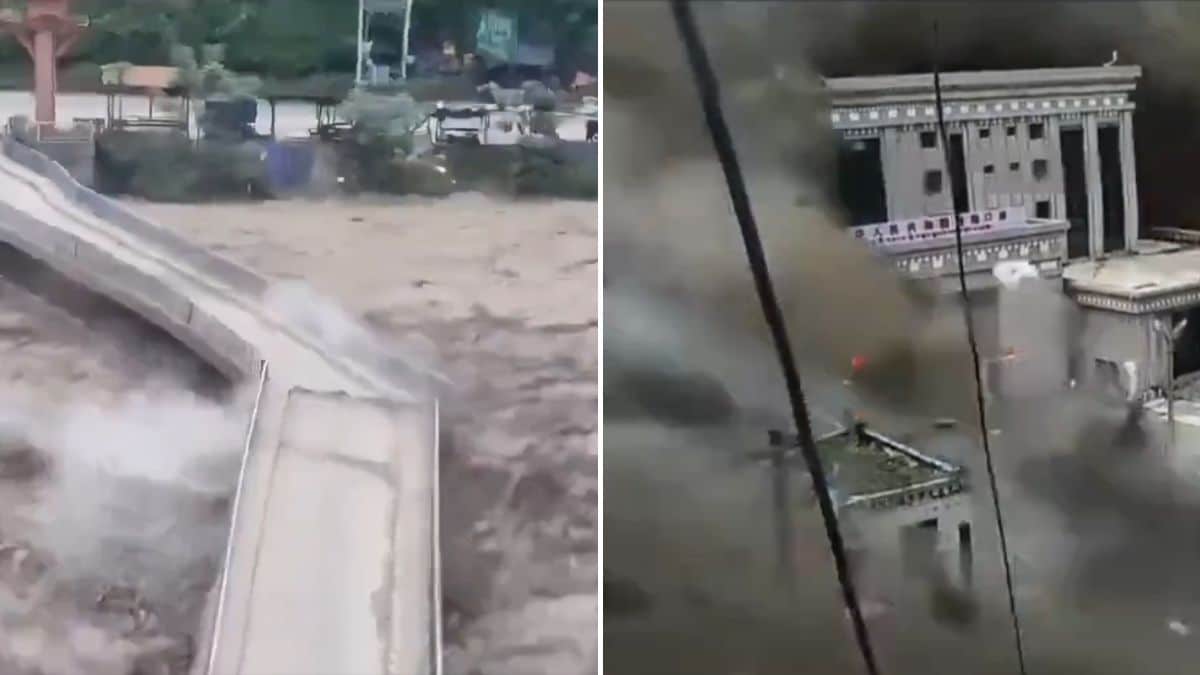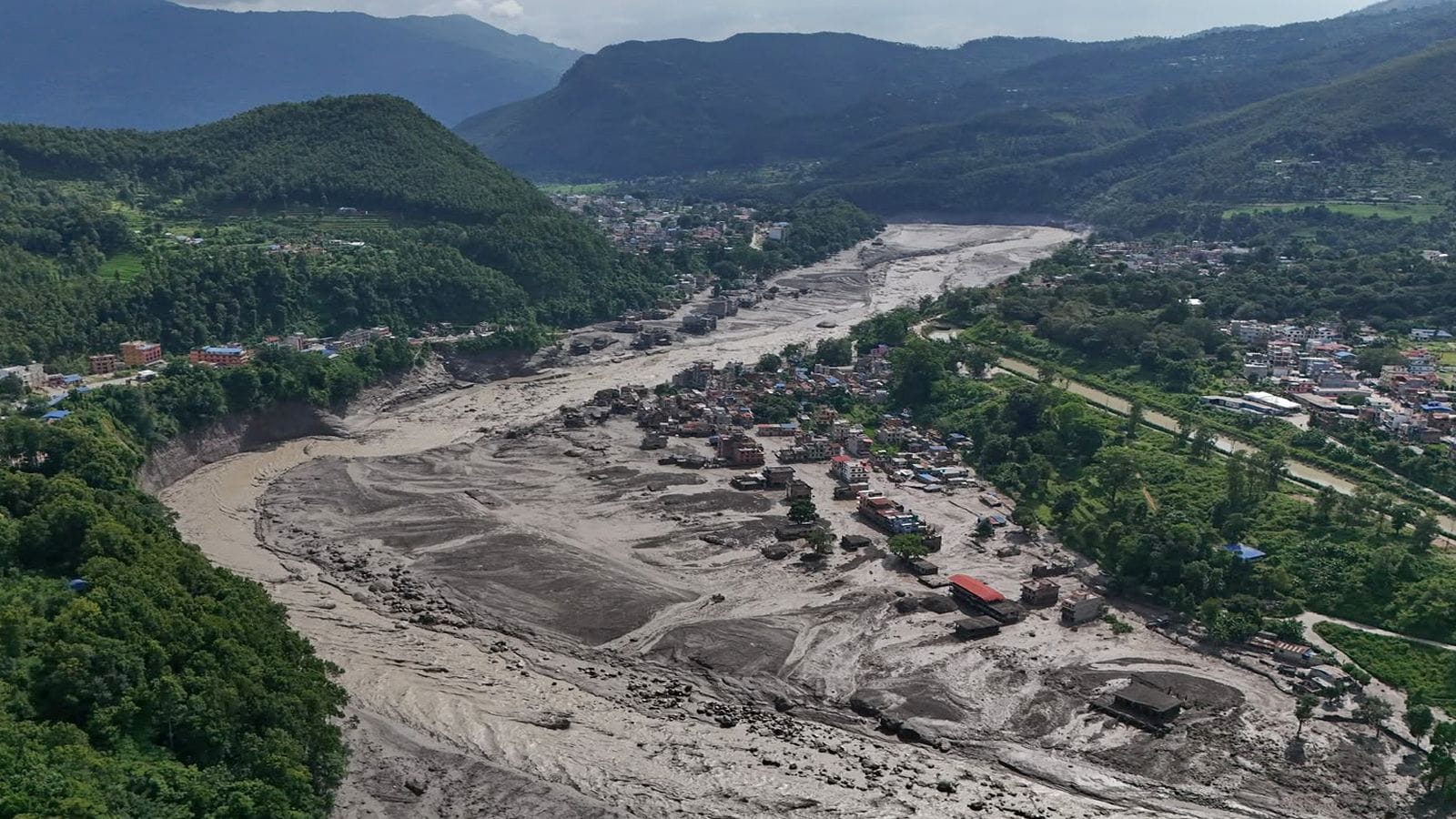
Every monsoon, the headlines write themselves. Sudden downpours hit the Himalayas, rivers swell, and mainstream media outlets rush to publish galleries of missing tourists, washed-out asphalt, and wrecked hydropower tunnels. The narrative is always identical. Angry gods, freak climate anomalies, and tragic acts of God.
It is a comforting lie. It absolves planners, politicians, and project developers of accountability.
Blaming the sky is easy. Examining bad concrete, reckless road-cutting, and institutional blindness is hard. I have stood on Himalayan hillsides watching multi-million-dollar infrastructure projects get sliced apart by mudflows that engineers should have anticipated. The destruction in Nepal is not an environmental surprise. It is an engineering failure packaged as a natural disaster.
The Lazy Consensus Of Climate Determinism
The standard reporting treats every flood as an unprecedented outlier. Hydropower developers point to anomalous rainfall statistics and shrug. Bureaucrats talk about extreme weather events as if iron-clad laws of physics suddenly stopped applying to concrete penstocks and highway bridges.
This is pure deflection.
Monsoons in South Asia are not a secret. They arrive every single year like clockwork. The total volume of water may fluctuate, but the underlying mechanics of gravity, soil saturation, and steep-slope hydrology remain completely constant. When a road built via unscientific, unregulated side-casting collapses into a torrent, that is not a climate crisis. That is bad geology meeting worse construction.
"Nature does not destroy infrastructure; human arrogance does by building in the wrong place with the wrong materials."
When you carve wide scars into fragile, young mountain ranges without proper drainage or retaining structures, you are not developing the region. You are setting up a trap. The monsoon just springs it.
Why Hydropower Proliferation Is Fueling The Crisis
Nepal wants to become an energy powerhouse, exporting electricity across the subcontinent. That ambition is noble, but the execution is reckless. Too many run-of-the-river projects are jammed into narrow gorges without adequate sediment management or baseline geological mapping.
Engineers routinely underestimate bedload movement. During heavy rains, Himalayan rivers do not just carry water; they carry millions of tons of boulders, gravel, and debris. When a barrage blocks this natural conveyor belt, or when tunnels are placed too close to active fault lines and unstable toe slopes, catastrophe becomes inevitable.
I have watched project financiers throw money at feasibility studies that treat mountain slopes as static blocks of granite rather than dynamic, shifting piles of debris. Then, when a flash flood wipes out a de-sanding basin or fills a reservoir with gravel overnight, everyone acts bewildered.
The truth is uncomfortable. We are building rigid, industrial-scale infrastructure in one of the most tectonically volatile landscapes on Earth, and we are doing it on the cheap.
The Road Network Suicide Cult
Look at the expansion of rural roads across the mid-hills. Local politicians trade bulldozers for votes. They hand keys to operators with zero understanding of slope stability. A machine cuts into the toe of a hill, pushes the loose spoil downhill, and leaves a vertical cliff face hanging in the balance.
The first heavy monsoon rain turns that loose spoil into a slurry. The road vanishes, taking houses, terraced fields, and unsuspecting travelers with it.
Tourists get caught in these zones because travel advisories treat the country as a static postcard rather than an active construction zone. Adventure tourism marketing sells raw wilderness, but it hides the reality of poorly managed civil works. When a bridge collapses because its piers were anchored in riverine gravel instead of bedrock, the guidebooks blame the weather.
We need to stop calling these events natural disasters. They are anthropogenic failures.
What Real Mitigation Looks Like
If Nepal wants to stop bleeding capital and human lives every monsoon, the playbook has to change entirely.
- Ban unengineered mechanical cutting: No more municipal bulldozers carving random tracks without geotechnical oversight.
- Decentralize energy: Move away from massive, fragile mega-tunnels in unstable gorges and invest in resilient micro-grids that can survive localized failures.
- Redefine setback zones: Rivers need room to breathe. Encroaching on active floodplains with concrete structures guarantees destruction.
- Mandatory geological audits: Tie international development funds directly to rigorous, independent hazard mapping rather than political expediency.
Admitting these truths hurts. It disrupts cozy public-private partnerships and halts rushed construction timelines. But continuing down the current path guarantees that next year's headlines will look identical to this year's.
Stop waiting for the climate to stabilize. Fix the engineering.