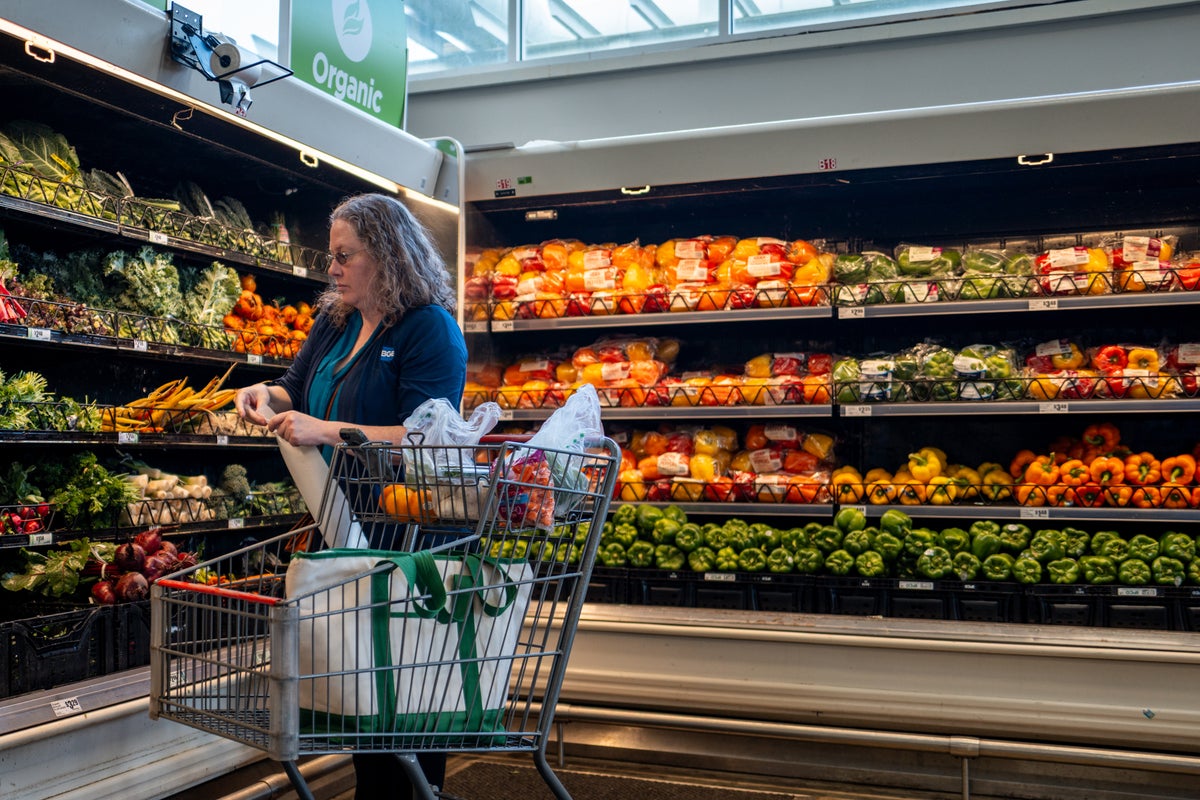
Every local health unit report in southwestern Ontario sings the exact same sad song. One in four households facing food insecurity. The headline hits the regional papers, the local mayors issue stern statements about community solidarity, and everyone rushes to host another canned food drive.
It is lazy, it is ineffective, and it completely misses why people are actually struggling to eat.
For a decade, I have watched well-meaning public health agencies treat a massive economic structural failure as if it were simply an empty pantry problem. They count heads, publish terrifying statistics about the state of hunger in cities like Windsor, London, and Sarnia, and then offer solutions that belong in the 1950s. Drop off a box of Kraft Dinner and a can of generic corn at the neighborhood church, and pat yourself on the back.
We are treating a chronic financial hemorrhage with a dusty band-aid.
The Core Delusion Of The Food Bank Model
Let us define the actual failure here. Food insecurity, as measured by Statistics Canada using the Household Food Security Survey Module, is not a measurement of starvation. It is a measurement of constrained financial access to food due to lack of money.
Read that again. It is about money. Not calories on supermarket shelves. Not the total volume of wheat or dairy produced in the province.
When a public health unit reports that twenty-five percent of households in a region are food insecure, they are telling you that one-quarter of the local population lacks adequate cash flow to cover shelter, utilities, transportation, debt payments, and groceries simultaneously.
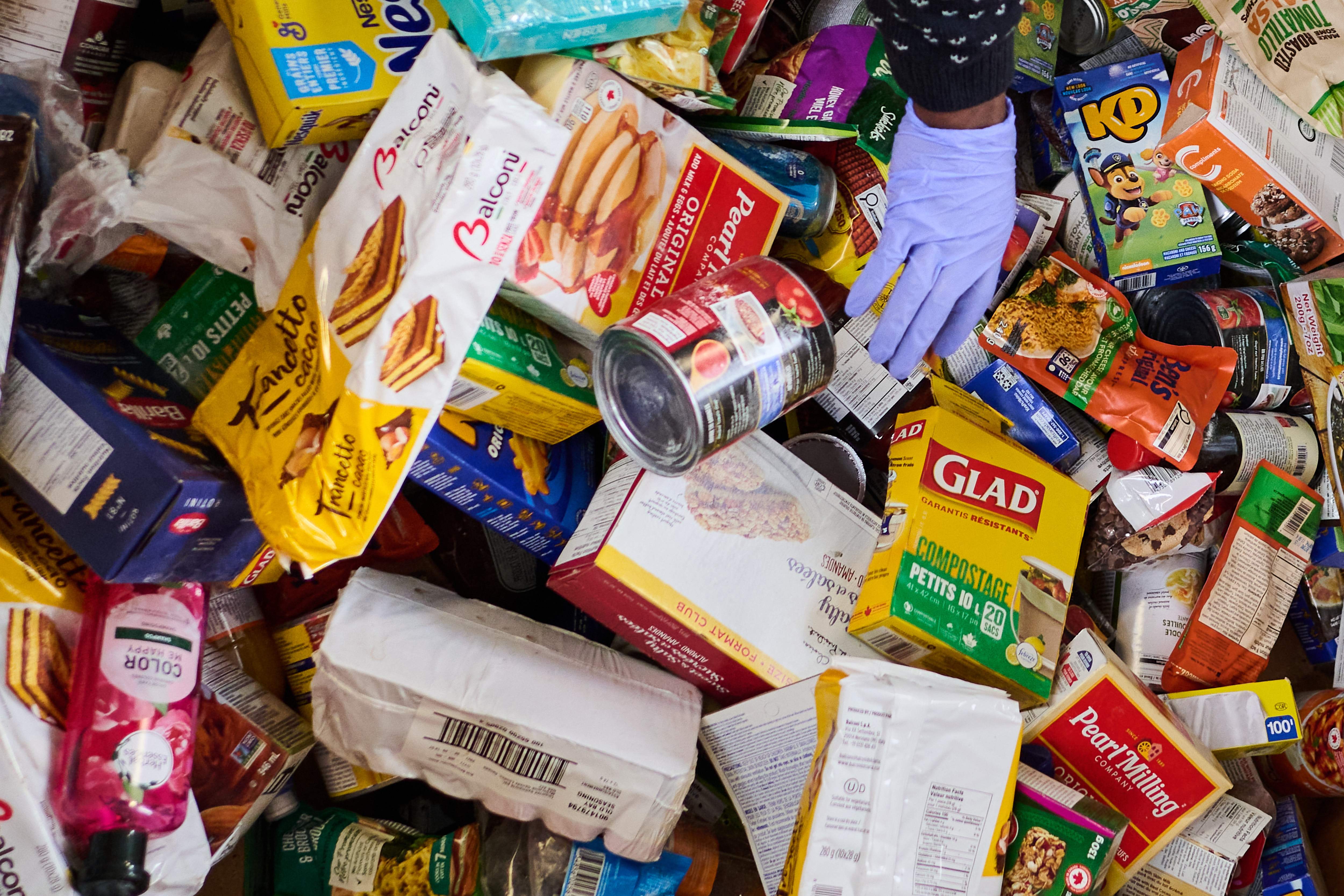
Handing those households a bag of dented tomato paste and a box of expired granola bars does nothing to solve the rent crisis. It does not lower utility bills. It does not fix stagnant wages or claw back predatory lending practices. In fact, the traditional emergency food system acts as an institutional pressure valve. It relieves just enough public pressure on municipal and provincial governments so they can avoid making actual, systemic policy changes.
I have watched local charities bust their backsides organizing massive holiday food trucks, collecting millions of pounds of provisions, while the people receiving those boxes still get evicted because their rent jumped four hundred dollars a month. We are mopping the floor while the main water pipe is wide open.
Why The Statistics Are Weaponized For Comfort
Public health agencies love the one-in-four metric because it is clean, horrifying, and easy to package into a press release. It generates sympathy, drives short-term donations, and justifies the existence of administrative bloat within the healthcare bureaucracy.
What they refuse to admit is that throwing physical food at a financial problem creates secondary market distortions that hurt local economies. When food banks distribute millions of dollars worth of donated goods, they bypass the local agricultural and retail supply chains entirely. They distribute foods high in sodium and simple carbohydrates because that is what corporate donors and panic-buying citizens offload from their pantries.
We are feeding vulnerable populations cheap, ultra-processed garbage under the banner of health equity, while wondering why chronic lifestyle diseases skyrocket in low-income postal codes.
Imagine a scenario where every single dollar spent on warehousing, sorting, driving, and distributing cans of alphabet soup was instead wired directly into the bank accounts of the people who need it. Universal basic income pilots and targeted cash transfers consistently outperform food charity in every measurable health and nutrition metric. People buy fresh produce, lean proteins, and culturally appropriate foods when they have cash. When they have bags of donated goods, they take what they are given and deal with the nutritional fallout later.
Yet, policy makers refuse to pivot. Why? Because cash transfers strip away the moral theater. Donors want to see their names on a box of pasta. They do not want to see their tax dollars quietly optimizing someone's budget spreadsheet.
The Southwestern Ontario Real Estate Trap
To understand why southwestern Ontario is a unique flashpoint for this crisis, you have to look past the health unit briefings and look at the real estate ledger.
Over the past decade, capital flight from Toronto and international real estate speculation transformed mid-sized southwestern Ontario hubs into commuter dormitories and retirement havens. Cities that used to offer affordable industrial-town living suddenly saw median home prices and rental rates double, then triple.
Wages in manufacturing, agriculture, and retail did not triple. They barely budged.
When a family in Chatham-Kent or Oxford County spends sixty to seventy percent of their net monthly income just keeping a roof over their heads, food becomes the flexible line item. It is the only bill you can temporarily slash by eating cheaper, skipping meals, or relying on charity.
The health units know this. Buried deep in their technical appendices, they admit that housing cost inflation is the primary driver of the metric. But the health units do not regulate zoning laws, they do not set minimum wage policies, and they do not have the political courage to demand rent controls that actually bite. So they stick to what is safe: measuring hunger and asking suburban church groups for more peanut butter.
The Counter-Intuitive Fix Nobody Wants To Discuss
If we want to dismantle food insecurity rather than manage its symptoms, we have to do three things that will make traditional charity boards deeply uncomfortable.
First, we must stop praising food drives. Every time a corporate office hosts a competition to see which department can stack the highest pyramid of canned goods, we validate a broken system. Redirect that energy. Demand that corporations pay a living wage that eliminates the need for their own employees to visit a food bank after their shift.
Second, we must decouple food assistance from moral supervision. Traditional emergency food programs require people to wait in line, prove their poverty, and accept whatever surplus items corporate grocery chains couldn't sell at a markup. It is degrading. Dignity is a nutritional requirement. If you want to fix the problem, fund anonymous cash subsidies that respect individual autonomy.
Third, we have to merge health policy with housing policy. A food security strategy that does not explicitly mandate aggressive public housing construction and strict rent stabilization is just a public relations campaign for local politicians.
The next time your local health unit drops a press release detailing how many of your neighbors are skipping meals, do not reach for your pantry to find a can of soup to donate. Ask your elected officials why they are subsidizing a multi-million-dollar charitable distribution complex instead of fixing the economic traps that made charity necessary in the first place.
Stop feeding the machine. Cut off the supply of compliant donors, and force the system to address the rent.