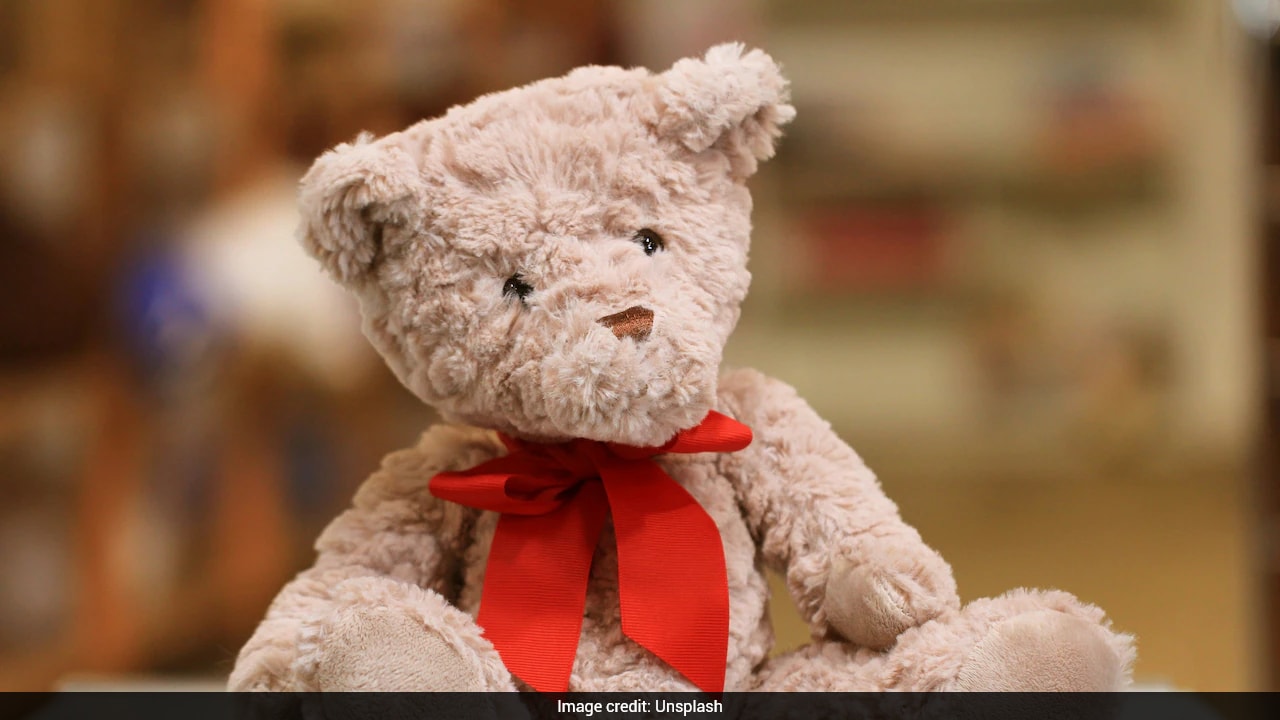
Every five years, the calendar forces our collective hand. We dust off the archival footage, cue up the solemn string arrangements, and watch institutional PR machines spin into gear. As the twenty-fifth anniversary approaches, newsrooms churn out human-interest pieces about symbolic gestures. The latest milestone features well-meaning organizations distributing over one thousand therapeutic bears to families of September eleventh victims.
It is a comforting visual. It makes for clean television segments and easily digestible social media posts. It also completely misses the point of what actual healing looks like after systemic catastrophe.
Let us be entirely clear about what is happening here. When institutions hand out plush toys to adults processing decades of state-level trauma, they are not offering solace. They are offering a pacifier. They are sanitizing a raw, unresolved wound and wrapping it in polyester fluff.
The lazy consensus in modern grief management is that every form of pain requires comfort, soothing, and gentle distraction. We have medicalized normal human responses to horror and replaced structural accountability with retail therapy disguised as empathy.
The Economics Of Empty Sympathy
I have spent two decades watching PR budgets and disaster relief funds get diverted into vanity metrics. When a foundation buys a thousand commemorative bears, someone gets a photo-op. Someone gets a line item on an annual report showing community engagement.
Do you know what those families actually need twenty-five years later? They need declassified documents. They need transparent medical tracking for the chronic illnesses rotting the lungs of survivors and first responders. They need institutions to stop hiding behind national security exemptions when accountability is demanded.
A stuffed animal does not lower a pharmaceutical copay. A ribbon-wrapped plush toy does not fund long-term psychological research into generational trauma transmission. It is a tangible token designed to make the giver feel useful while leaving the recipient holding an empty gesture.
We confuse comfort with resolution. Comfort is a commercial product. Resolution requires hard, uncomfortable truth.
Infantilizing The Bereaved
There is a profound condescension baked into the therapeutic bear approach. These are not children mourning a playground dispute. These are parents, siblings, and spouses who endured a catastrophic geopolitical failure that altered the trajectory of modern history.
Treating adult trauma with childhood coping mechanisms is a symptom of a society terrified of genuine emotional depth. We do not know how to sit with anger, so we institutionalize grief. We package it. We make it soft and huggable so it does not make the rest of us uncomfortable.
Imagine a scenario where a corporate donor redirected the sixty thousand dollars spent on novelty merchandise directly into independent investigative journalism or legal funds for families still fighting for disclosure. The optics would be terrible for the donor because you cannot photograph a freedom of information act request for the evening news.
That is the engine driving this entire cycle. Visibility over utility. Performance over substance.
What Real Support Looks Like
If we are serious about marking milestones without insulting the intelligence of the people who bore the cost, we need to completely overhaul how we approach anniversary rituals.
- Fund Long-Term Care: Stop buying one-off symbolic items and endow permanent mental health clinics specifically trained in complex grief and post-disaster trauma.
- Open The Records: Dedicate anniversary budgets to legal teams helping families unseal government documents related to intelligence failures.
- Listen Instead Of Scripting: Stop assuming you know what grieving families want based on focus groups run by PR agencies.
The twenty-five-year mark should be an indictment of our collective complacency, not an excuse to buy bulk merchandise.
Put the bears away. Stop softening the edges of an open wound that was never allowed to properly heal in the first place. Demand answers instead of accessories.