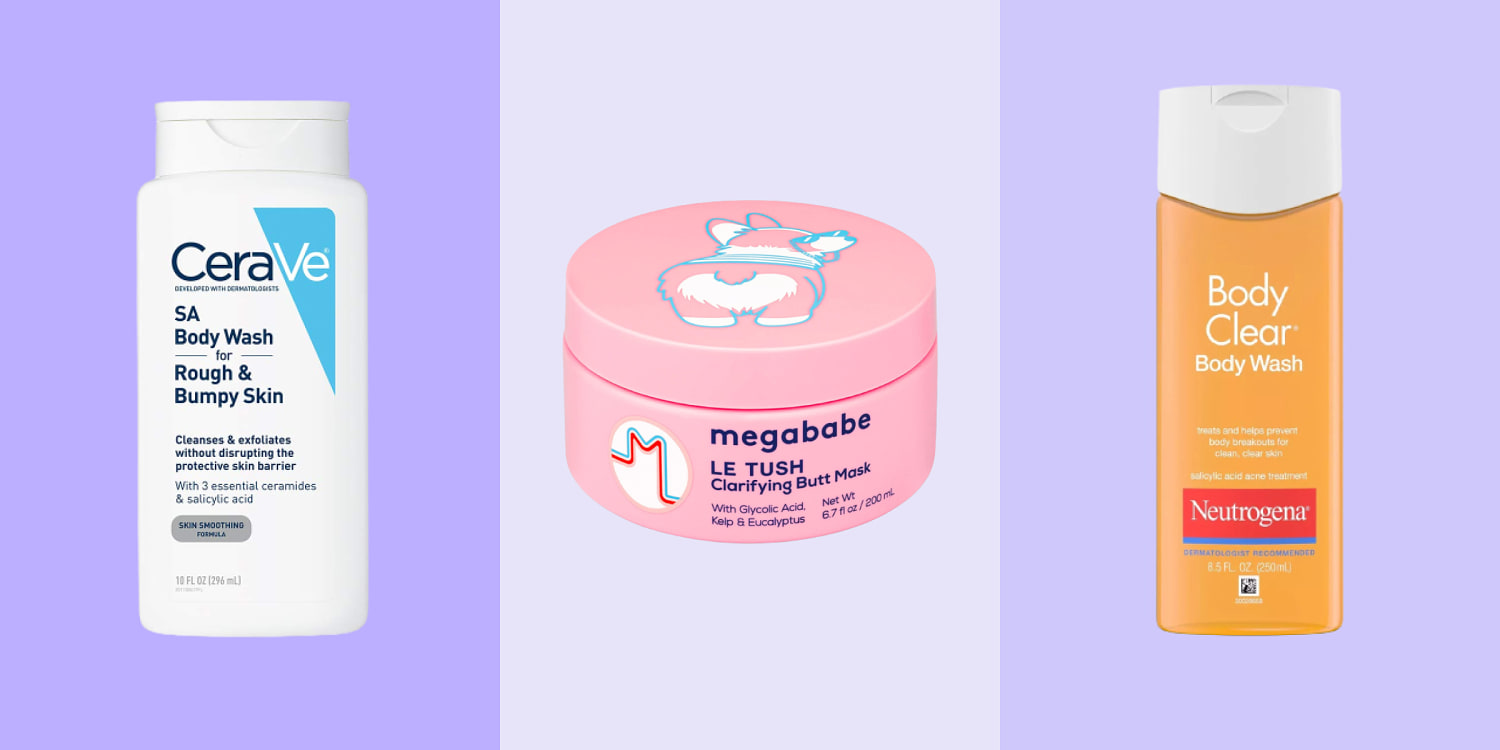
Dermatology media loves a good consensus, especially when it sells expensive skincare kits. For a decade, women’s magazines and skincare blogs have recycled the exact same advice for breakouts below the belt: use salicylic acid, buy a harsh benzoyl peroxide face wash, exfoliate with a scrub, and treat it exactly like facial acne.
It is a multi-million dollar lie.
If you are treating your backside with the same protocol you use on a greasy T-zone, you are sabotaging your skin. You aren't clearing breakouts; you are actively fueling a vicious cycle of chronic inflammation, skin barrier destruction, and hyperpigmentation.
The medical reality is stark. Almost none of the bumps that appear on your glutes are actual acne vulgaris. Treating them as such is a fundamental misunderstanding of human pathology.
The Big Lie: It’s Not Acne
True acne requires a specific trifecta: excess sebum production driven by androgens, abnormal keratinization blocking a pore, and the proliferation of Cutibacterium acnes deep inside a sebaceous follicle.
Your glutes have a remarkably low density of sebaceous glands compared to your face, chest, and back. Look at a classic dermatology textbook like Bolognia’s Dermatology or Fitzpatrick’s Color Atlas. The histology of gluteal skin tells a very clear story: you lack the oil machinery to produce true acne in this zone.
So what are those red, angry bumps?
In 95% of cases, you are dealing with folliculitis—an inflammation or superficial infection of the hair follicle—or pseudofolliculitis, caused by friction, sweat, and tight clothing trapping bacteria against the skin. Most commonly, the culprits are Staphylococcus aureus or Malassezia (pityrosporum) yeast.
When you slather on salicylic acid pads or aggressive retinoids meant for a teenager's oily face, you strip the lipid barrier of your gluteal skin. You dry it out. The skin cracks, creating microscopic entry points for bacteria and yeast. Your "acne treatment" is literally building a luxury hotel for the exact pathogens causing your bumps.
Why the Standard "Derm Approved" Advice Fails
Let’s look at the standard checklist internet dermatologists hand out, and why each piece of advice backfires.
1. Benzoyl Peroxide Washes
The standard advice is to leave a 10% benzoyl peroxide wash on the area for two minutes in the shower. Here is what actually happens: benzoyl peroxide is highly oxidizing and incredibly drying. On skin that already suffers from friction (from sitting down all day), stripping the natural moisture barrier causes the stratum corneum to become brittle. The hair follicles then snap off below the surface, leading to ingrown hairs and deeper bacterial infections.
2. Physical Scrubs and Exfoliating Mitts
People think a rough texture requires a rough solution. They grab sugar scrubs, coffee grinds, or loofahs. This is mechanical trauma. It triggers post-inflammatory hyperpigmentation (PIH). Because gluteal skin is subject to constant pressure and friction from chairs and clothing, the melanocytes (pigment-producing cells) are already highly reactive. Rubbing them raw ensures that even if a bump clears, you are left with dark brown or purple spots that take two years to fade.
3. Wearing "Breathable" Spandex
Activewear brands swear their nylon-spandex blends are "breathable" and moisture-wicking. It's marketing nonsense. Synthetic fibers are hydrophobic; they hold onto oil and bacteria right against the skin. When you sit in your leggings for even twenty minutes after a workout, you create a warm, dark, hypoxic environment—a perfect incubator for Pseudomonas and Staphylococcus.
The Brutal Reality of the Cure
I have worked with patients who spent thousands on chemical peels, laser treatments, and prestige skincare lines to clear up their lower half, only to end up with weeping, irritated skin. They were desperate because the industry kept telling them to "cleanse deeper."
The truth is uncomfortable because it requires changing habits, not buying luxury products. To fix the problem, you have to do less, not more.
| The Common Advice | The Actual Medical Reality |
|---|---|
| Exfoliate daily with AHAs/BHAs | Destruction of the skin barrier, leading to bacterial entry. |
| Use high-strength Benzoyl Peroxide | Massive dryness, leading to brittle follicles and ingrowns. |
| Wear tight, moisture-wicking synthetics | Traps bacteria and fungus against the skin via friction. |
| Apply thick body lotions for dryness | Clogs the shallow follicles; feeds Malassezia yeast. |
If you want clear skin, you must pivot away from aggressive chemistry and toward friction management and microbiome protection.
The Non-Negotiable Protocol for Radical Clearance
To fix this, you must treat the area like a delicate, friction-prone environment, closer to an infant’s diaper rash than an oily teenager's forehead.
Ditch the Synthetics, Embrace 100% Cotton
Throw away your synthetic underwear. Nylon, polyester, and satin trap heat and create friction. Switch exclusively to 100% breathable cotton underwear, especially during the day when you are sitting at a desk. If you work out in leggings, you change out of them the exact minute your workout ends. No running errands, no driving home in them. You strip down and rinse off immediately.
Swap Face Wash for Hibiclens
Stop using acne washes. If your bumps are red, inflamed, and pus-filled, you are dealing with a bacterial overload. Use an over-the-counter antiseptic skin cleanser containing chlorhexidine gluconate (commonly known as Hibiclens) twice a week in the shower. Wash gently with your hands—never a washcloth or loofah. Leave it on for 30 seconds and rinse thoroughly. This targets the Staph bacteria directly without stripping the skin's lipid barrier the way benzoyl peroxide does.
The Hypochlorous Acid Hack
Instead of dousing your skin in acids, use a hypochlorous acid (HOCl) spray after workouts or throughout the day if you sit for long periods. Hypochlorous acid is naturally produced by your white blood cells to fight infection. It is highly antimicrobial, targeting both bacteria and fungus, yet it is as gentle as water. It calms inflammation instantly without drying out the stratum corneum.
Kill the Thick Body Butters
If your skin feels dry from sitting, do not grab a heavy, fragranced body butter or coconut oil. Coconut oil is highly comedogenic and acts as a feast for fungal pathogens. Use a lightweight lotion containing urea (at 5% to 10% concentration). Urea is a natural moisturizing factor that gently breaks down hyperkeratosis (dead skin buildup) without mechanical scrubbing, while simultaneously hydrating the skin barrier.
The Downside to This Approach
Let's be completely transparent: this method requires discipline, and it isn't glamorous.
Cotton underwear isn't as sleek as seamless nylon. Changing out of your workout gear in a public bathroom right after a session is inconvenient. Hibiclens smells like a hospital room, not a luxury spa. It doesn't offer the satisfying, immediate sting of a harsh glycolic acid peel.
If you are looking for a sensory ritual with a floral scent and a pretty glass bottle on your vanity, this protocol will disappoint you. But if you want the bumps gone, you have to choose between a spa aesthetic and clinical efficacy.
Stop punishing your skin for a crime it didn't commit. Your body isn't producing too much oil; it is simply screaming for a break from the constant friction, trapped moisture, and aggressive chemicals you are throwing at it.
Put down the acne wash. Step away from the scrub. Let your skin breathe.