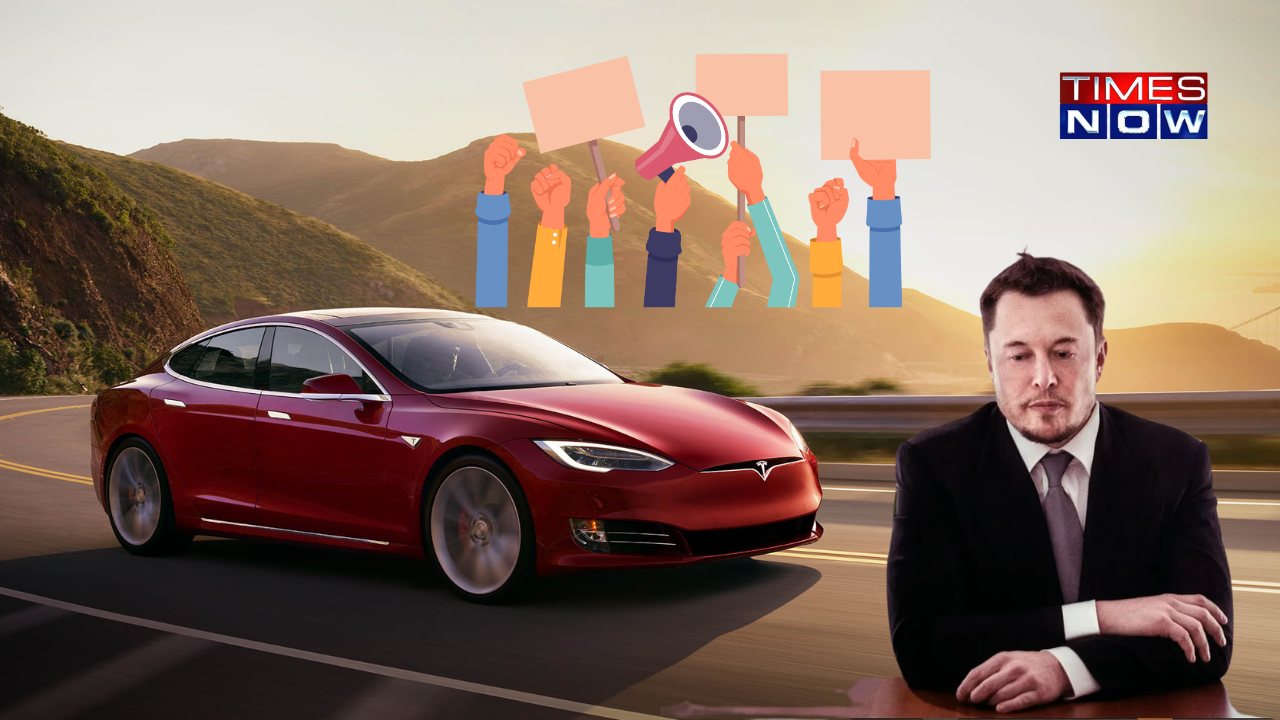
The automotive press treats every cyclic pulse of the Tesla Roadster vaporware machine as a serious product update. For nearly a decade, automotive journalists have faithfully transcribed corporate press releases, counting down the days until a prototype with SpaceX thrusters hits public roads. This is a fundamental misread of what is happening. The second-generation Roadster is not a delayed vehicle program. It is a brilliant, recurring exercise in capital retention masquerading as engineering.
When a company misses production targets by half a decade while continuing to harvest fifty-thousand-dollar reservation deposits, the delay ceases to be a bug in the project management pipeline. It is the business model.
The Economics Of The Infinite Tease
Look past the glossy renders and the breathless headlines about zero-to-sixty times that defy the laws of sticky friction. The lazy consensus in tech media assumes that engineering hurdles are the sole reason cars take ten years to transition from a stage prototype to a dealership floor. Thermal management is tough. Sourcing high-density battery packs is hard. Packaging cold-gas thrusters inside a passenger cabin without turning the driver into an astronaut requires complex problem-solving.
Yet, treating this vehicle as a standard automotive development cycle ignores how modern corporate attention loops operate. I have watched legacy manufacturers and nimble startups alike sink millions into vehicles that never see volume assembly lines, usually because the math does not close. Building a low-volume, carbon-fiber hypercar with custom propulsion tech is a money-losing proposition. At a hundred grand or two hundred and fifty grand a pop, low-volume halo cars are marketing expenses wrapped in body panels.
Tesla does not need the Roadster to generate automotive gross margin. The core business runs on high-volume crossovers scaling through aggressive price adjustments. What Tesla does need, particularly during macroeconomic crunches and shifting sentiment cycles, is a reliable attention reset button. Every time consumer interest dips or regulatory scrutiny peaks, a new date appears on a screen, and the enthusiast ecosystem treats it like the second coming of internal combustion.
Dismantling The SpaceX Thruster Myth
The most egregious fantasy perpetuated by the fanbase involves the integration of rocket technology. We are asked to believe that a production street-legal automobile will feature compressed-air thrusters derived from rocket science, capable of lifting a car or altering its trajectory in ways that would turn a standard insurance underwriter into a smoking ruin.
Imagine a scenario where a consumer actually takes a cold-gas-thruster-equipped sports car onto a public highway. The G-forces involved in achieving those hyper-car acceleration metrics require structural rigidity and neck muscles most drivers simply do not possess. More importantly, federal motor vehicle safety standards view high-pressure gas tanks strapped to the corners of a passenger chassis with immense skepticism.
The engineering reality is stark: a track-only variant can get away with circus tricks. A street-legal car subject to crash-test regulations cannot. By splitting the vehicle configurations into performance, thrust, and rocket trims, the company creates a clever bureaucratic loophole. They can showcase an explosive, stunt-driven demo at a test facility in Texas while quietly pushing actual consumer deliveries further into the horizon.
Why Reservation Holders Keep Paying To Wait
The people who wired fifty grand to hold a spot in line are not victims of corporate deception. They are voluntary participants in a long-term psychological experiment. In behavioral economics, the sunk cost fallacy combined with identity branding creates an unbreakable loop. Admitting that a car is never arriving means admitting that you lent an interest-free loan to a trillion-dollar corporation for a decade.
Instead, buyers rationalize the wait as proof of uncompromising perfectionism. Elon Musk drops a line about making it "the last best driver's car" before autonomy takes over, and the timeline extends by another two years. This narrative framing is genius. It positions delays not as operational failure, but as an artistic crusade against the inevitable boring future of autonomous transit.
If you want a world-class driving machine today, you buy a Porsche 911 Turbo S or a used McLaren. They exist. They handle canyon roads with mechanical telepathy. They can be serviced tomorrow.
Stop funding a countdown timer. Put your money where the rubber actually meets the asphalt.