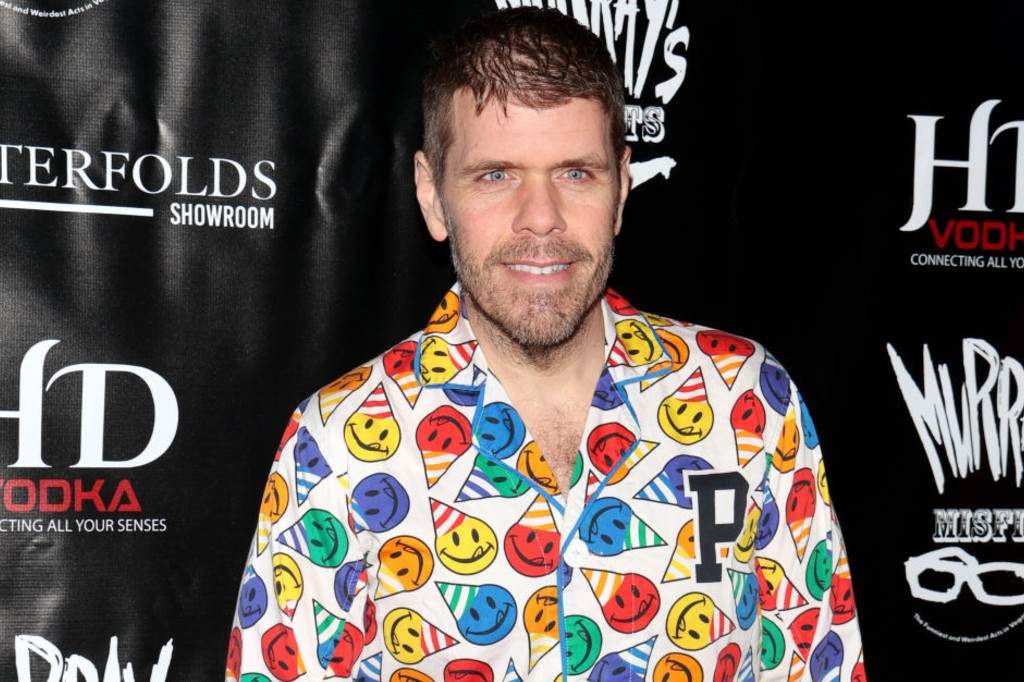
The internet loves a tragedy wrapped in an algorithmic bow. When headlines exploded regarding Perez Hilton and an apparent self-harm TikTok livestream, the digital mob did what it always does. They rushed to the pulpit. They offered thoughts, prayers, and performative clinical diagnoses from couches thousands of miles away.
They got it entirely wrong.
The lazy consensus is that public figures live stream their psychological unravelling because they are victims of an unfeeling attention economy that demands constant exposure. The narrative says social media platforms broke them. The narrative says the audience is a bloodthirsty colosseum.
That is a comforting lie. It absolves everyone of personal accountability while turning genuine human pain into a spectator sport with moral high-ground seasoning.
Let us look at the mechanics of what actually happens when a polarizing public figure spirals in high definition. I have spent two decades watching the machinery of celebrity culture grind human beings into dust. I have seen public relations strategies treat psychiatric emergencies as PR crises, and I have seen audiences confuse their parasocial obsession with genuine empathy.
The Myth Of The Forced Digital Confessional
Nobody holds a gun to a creator's head and forces them to press the broadcast button during a nervous breakdown. That statement sounds harsh, but it is the baseline truth we refuse to accept because it dismantles the narrative of total helplessness.
When a mainstream outlet reports on a celebrity crisis, the framing invariably paints the individual as a passenger in their own vehicle. We hear about the "relentless pressure" of fame. We hear about the "toxic comments section."
Fame is a contract. A brutal one, yes, but a contract nonetheless. When the applause stops paying the bills, or when the relevance begins to fade, the psychological withdrawal can mimic clinical catastrophe. The livestreamed breakdown is rarely an accident of technology. It is a desperate, miscalculated bid for the ultimate currency: absolute, undivided attention.
We need to stop pretending that every digital cry for help is a passive symptom of systemic abuse. Often, it is an active, erratic strategy deployed by someone who has spent their entire career monetizing their own exposure, only to discover that stability doesn't trend.
The Parasocial Trap And The Enabler Audience
You cannot talk about public spirals without addressing the modern digital audience. Viewers tune into these chaotic livestreams under the guise of concern, but their retention metrics tell the real story. They are rubbernecking at a crash.
The platforms themselves are agnostic pipes. TikTok does not care whether a broadcast features a cooking tutorial or a psychological crisis; it cares about watch time. And watch time spikes when the guardrails come off.
Yet, blaming the algorithm is a cop-out. Audiences have weaponized concern. When a creator starts flashing warning signs online, the comment section splits into two camps: the ghouls egging them on, and the self-appointed therapists demanding immediate institutional intervention. Both groups are feeding the fire.
Imagine a scenario where an individual walks onto a busy downtown intersection, sits in the middle of traffic, and begins screaming. Passersby who stop to film, shout advice, or throw money are not helping. They are participating. A livestream is simply a digital intersection. When you stay in the room, click the heart icon, or type "stay strong," you are providing the feedback loop that justifies continuing the broadcast.
If we genuinely cared about vulnerable people in the public eye, our collective response to a digital breakdown would be total silence. Zero views. Zero shares. Zero engagement. But we don't want silence. We want front-row seats.
The Professionalization Of Public Suffering
The entertainment industry has built an entire sub-economy around managing these moments. Crisis managers, talent agents, and network executives know how to spin a public crisis into a redemption arc.
I have watched agencies scramble to draft statements that balance legal liability with maximum emotional manipulation. They use buzzwords like "focusing on health and wellness" while quietly calculating how the scandal impacts future sponsorship deals.
The public falls for it every single time because we want to believe in the redemption arc. We want the movie version where the troubled star goes away, does some inner work, and returns triumphant. Real life doesn't work that way. Real psychological repair is boring, quiet, and completely unmarketable. It does not happen on a For You page.
When media outlets rush to amplify these incidents under the banner of "raising awareness," they are cashing the check written by someone else's instability. They frame it as public service journalism, but the click-through rates reveal the truth. It is trauma porn packaged as news.
Breaking The Cycle Of Performative Outrage
If you actually want to change how we handle public crises, you have to start by altering your own behavior as a consumer of digital culture.
First, stop acting as a remote-control clinician. You do not know these people. Diagnosing a stranger based on a thirty-minute vertical video is not empathy; it is intellectual arrogance.
Second, starve the spectacle of oxygen. The next time a public figure starts broadcasting their distress, close the app. Do not screenshot it. Do not tweet your hot take about cancel culture or mental health stigma. Engagement is the fuel that keeps the engine of public self-destruction running.
We enable these tragedies because we reward them with the exact thing the individual is subconsciously begging for: a crowd. Remove the crowd, and the performance stops.
Stop watching. Stop sharing. Look away.