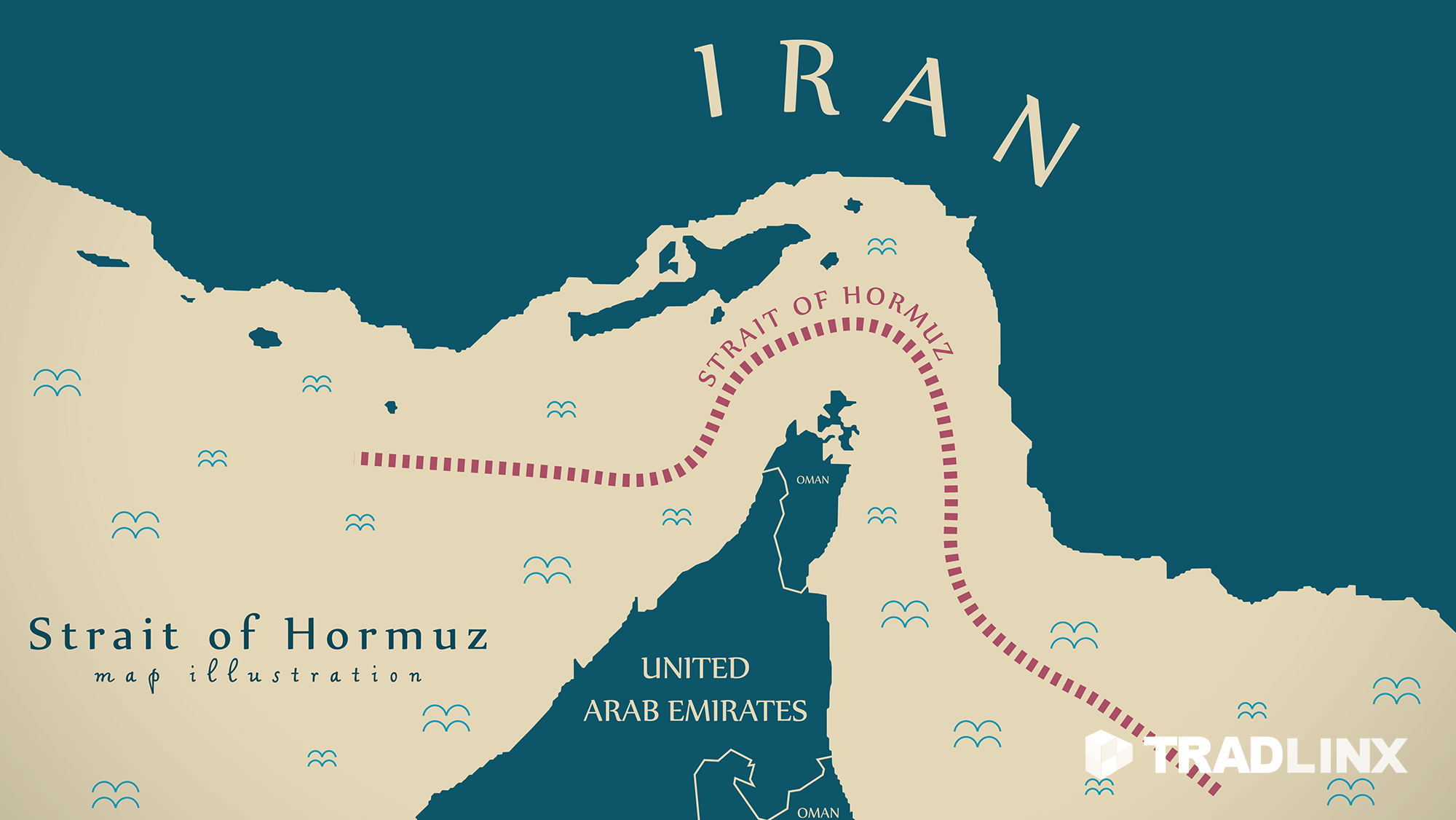
The headlines are screaming about a "global energy apocalypse" because a few Iranian tankers got seized and a 21-mile-wide stretch of water is temporarily under lock and key. The market is panicking. Oil traders are hitting the buy button like their lives depend on it. They are wrong.
This isn't an energy crisis; it’s a masterclass in geopolitical theater designed to extract "fear premiums" from retail investors who don't understand the plumbing of the global economy. If you think a closed Strait of Hormuz means $200 oil and the collapse of Western civilization, you’ve been reading the wrong reports. You are falling for the lazy consensus that assumes we are still living in 1973. We aren't.
The Myth of the Chokepoint
The "chokepoint" narrative is the most overused trope in energy journalism. Yes, roughly 20% of the world's liquid petroleum passes through the Strait. But the assumption that closing the gate stops the flow of blood to the heart is fundamentally flawed.
The world has built redundancies while the "experts" were sleeping. Saudi Arabia and the United Arab Emirates have spent decades—and billions of dollars—building massive overland pipelines to bypass the Strait entirely. The Petroline (East-West Pipeline) in Saudi Arabia can move five million barrels per day to the Red Sea. The Abu Dhabi Crude Oil Pipeline can shunt another 1.5 million barrels to the Gulf of Oman.
When the Strait "closes," the oil doesn't vanish. It reroutes. It gets more expensive to ship, sure. Insurance premiums spike. But the physical shortage the media is salivating over is a phantom.
The China Problem Nobody is Mentioning
Everyone is obsessed with how this hurts the West. Look at a map. Who actually buys the oil coming out of the Gulf? It isn't the United States. Thanks to the shale revolution, the U.S. is a net exporter. The people truly staring down the barrel of a Hormuz closure are in Beijing, New Delhi, and Tokyo.
If Iran permanently shuts the Strait, they aren't punching "The Great Satan." They are punching their only remaining customers. China is the primary life support system for the Iranian economy. Does anyone honestly believe Tehran will maintain a blockade that starves the Chinese manufacturing engine? This is a leverage play, not a suicide pact.
The "surge" in oil prices is a speculative bubble built on the hope of a catastrophe that logic won't allow to happen. Iran needs the water open more than we do. They are playing a game of chicken with a transparent windshield.
The SPR is Not a Suggestion Box
The Strategic Petroleum Reserve (SPR) is frequently criticized by the "hard money" crowd as a political tool. In this specific scenario, it is a surgical weapon. The U.S. and IEA member nations hold enough crude to offset a total Hormuz blockage for months.
I have watched traders lose fortunes betting against the government’s willingness to flood the market during a supply shock. If the price of Brent hits a level that threatens global GDP, the valves open. The "scarcity" disappears in a weekend.
People ask: "Won't the price stay high because of the uncertainty?"
The answer is: Only as long as you keep believing the uncertainty is real. Uncertainty is just a lack of math.
The Tanker Seizure Distraction
Seizing a tanker is a PR stunt. It’s the maritime equivalent of a schoolyard bully taking a lunchbox. It makes for great television, but it doesn't change the underlying physics of the market.
The global tanker fleet is massive and increasingly fragmented. "Dark fleets" and ghost ships already move millions of barrels under the radar. Seizing one ship—or ten—is a rounding error in the daily global consumption of 100 million barrels. The media treats it like a surgical strike on the global heart; it’s actually a mosquito bite on an elephant.
The Real Risk is Not Scarcity, It’s Demand Destruction
The contrarian truth that the bulls won't tell you: A price spike to $120 or $150 doesn't lead to a sustained rally. It leads to a global recession that kills oil demand for years.
High oil prices are the best cure for high oil prices. The moment the cost of gas hits a certain threshold in the U.S. and Europe, consumption drops off a cliff. People stop driving. Supply chains find efficiencies. Solar and EV adoption—the very things oil bulls hate—get a massive, government-subsidized adrenaline shot.
By cheering for a "surge" based on a blockade, oil speculators are essentially cheering for the destruction of their own long-term market.
How to Actually Play This
Stop buying the "scarcity" ETFs. Stop listening to the pundits who talk about "geopolitical risk" without mentioning pipeline capacity.
- Watch the Red Sea, not the Persian Gulf. If the bypass pipelines are flowing, the Strait is irrelevant.
- Short the panic. History shows that geopolitical spikes in oil prices are almost always followed by a violent correction once people realize the lights are still on.
- Ignore the "War" rhetoric. Modern warfare is fought with credit lines and chip exports, not by blocking a puddle of water that your biggest ally needs to keep their factories running.
The Strait of Hormuz is the most effective psychological weapon in the world. It is a terrifying story that loses its power the second you look at the logistics.
The world isn't running out of oil. It’s running out of imagination. If you're buying crude at these prices because of a headline, you aren't an investor. You're an extra in a movie that's been playing on loop since the 70s.
Go look at the pipeline data. Then sell your position.