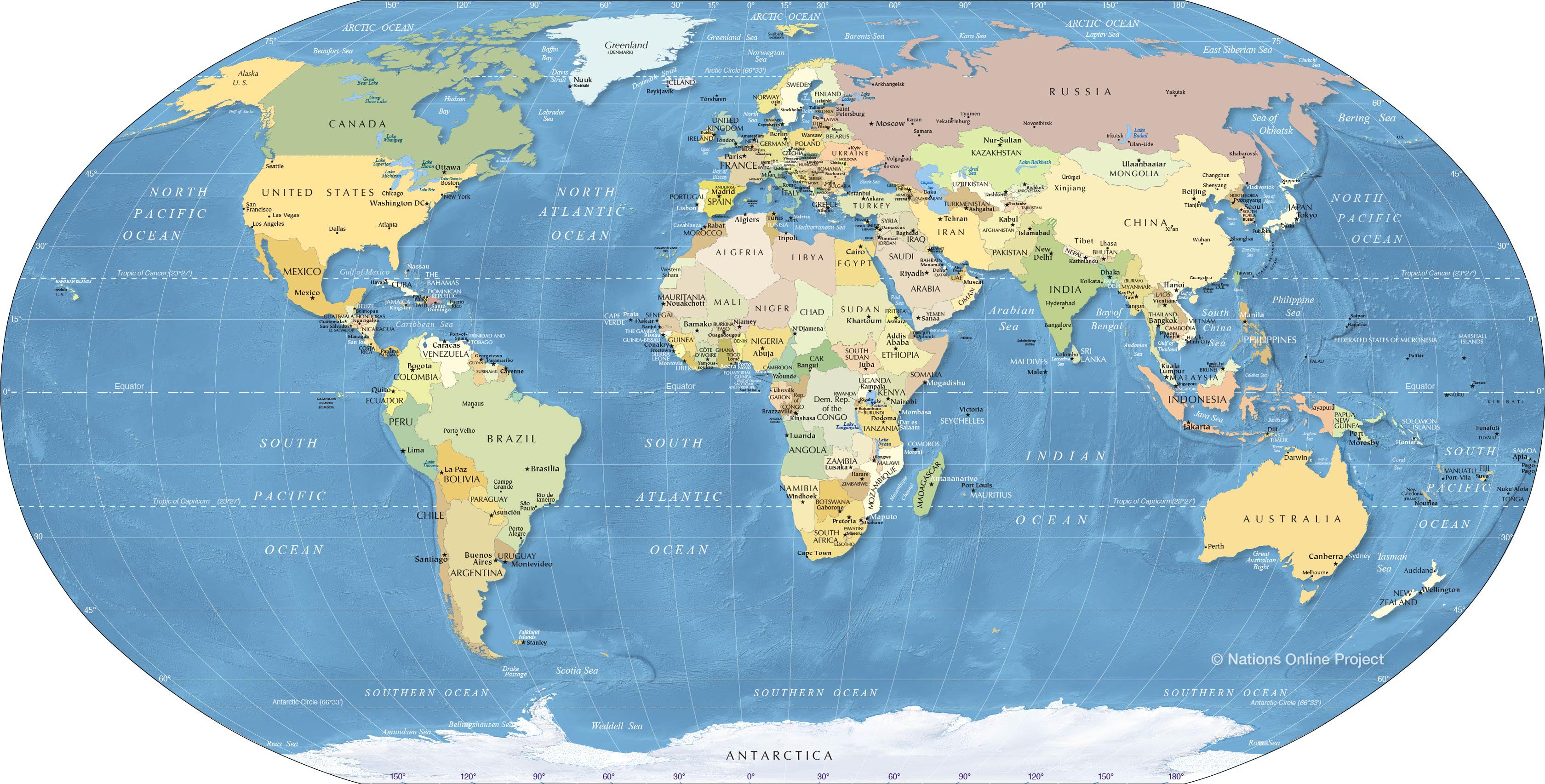
The United States Treasury and the White House are quietly recalibrating the math of global energy security. Scott Bessent, a key architect of the current administration’s economic strategy, has signaled a departure from the "total blockade" rhetoric that has historically defined American policy toward hostile maritime actors in West Asia. The new reality is a calculated tolerance. Washington is no longer aiming for a 100% interception rate in the Strait of Hormuz. Instead, they are prioritizing the stability of global Brent crude prices over the absolute enforcement of secondary sanctions. This is not a sign of military weakness, but a tactical pivot toward economic survival.
The Calculus of Controlled Leakage
For decades, the Strait of Hormuz has been viewed as a binary switch. It was either open or closed. If a hostile power threatened the flow, the U.S. Navy was expected to hammer the threat into submission. However, the current geopolitical friction in West Asia has introduced a third option: the managed flow.
By signaling that the U.S. is "fine" with some vessels slipping through the net, the administration is acknowledging a brutal truth about the modern energy market. If every single "dark fleet" tanker carrying sanctioned oil were stopped tomorrow, the sudden supply shock would send prices well above $100 per barrel. That is a political and economic death sentence for any administration trying to manage domestic inflation.
Bessent’s perspective reflects a cold, pragmatic realism. He understands that the global economy requires a certain volume of oil to function, regardless of its origin. If that oil has to come from back-alley maritime deals and "grey zone" shipping maneuvers, the U.S. is increasingly willing to look the other way, provided the volume remains below a certain threshold.
Shadow Fleets and the Illusion of Enforcement
To understand why this policy shift matters, one must look at the mechanics of the shadow fleet. These are aging tankers, often operating under flags of convenience, with disabled transponders and obscured ownership structures. They are the circulatory system for sanctioned regimes.
Historically, the U.S. Treasury’s Office of Foreign Assets Control (OFAC) would play a game of "whack-a-mole" with these vessels. They would sanction a ship, the ship would change its name, and the cycle would repeat. But the sheer scale of the current shadow fleet—estimated at over 600 vessels—makes total enforcement an impossibility without a full-scale naval blockade.
A blockade is an act of war.
Instead of choosing war, the U.S. is choosing a tiered enforcement strategy. High-profile targets are hit with sanctions to maintain the appearance of pressure, while the "rank and file" of the shadow fleet is allowed to maintain a trickle of supply. This keeps the market liquid. It prevents the kind of parabolic price spikes that trigger global recessions.
The Cost of Maritime Friction
The insurance markets are the first to feel this shift in policy. When the U.S. signals a more relaxed stance on ship passage, the risk premium on cargo begins to fluctuate wildly. War risk insurance in the Strait of Hormuz is no longer a static cost; it is a live reflection of how many "incidents" Washington is willing to tolerate in a given month.
- Freight Rates: Rising as shipowners demand more to enter contested waters.
- Shadow Premium: The discount at which sanctioned oil sells, which effectively funds the very regimes the U.S. claims to be squeezing.
- Naval Resource Allocation: The redirection of carrier strike groups to protect "legitimate" trade while ignoring the "grey" trade.
This creates a distorted marketplace. On one hand, you have law-abiding shipping conglomerates paying massive premiums and following every regulation. On the other, you have the shadow fleet, operating with near-impunity because they provide a necessary pressure valve for global oil prices.
The Strategic Risk of Silence
There is a danger in this quiet acceptance. By admitting that some ships getting through is acceptable, the U.S. risks eroding the deterrent power of its sanctions regime. If a rule is only enforced 70% of the time, is it still a rule?
Regional players are watching this closely. They see an America that is more concerned with the pump price in the Midwest than with the absolute containment of its rivals in West Asia. This perception shifts the diplomatic weight in the region. It encourages adversaries to push the boundaries, testing exactly how much "leakage" the U.S. will allow before it actually pulls the trigger.
The Biden-Bessent framework assumes that the U.S. can maintain this delicate balance indefinitely. It assumes that the adversaries will be content with their "allowable" exports and won't attempt to shut down the entire Strait to exert their own leverage. It is a high-stakes poker game where the chips are the literal barrels of oil that heat homes and fuel trucks across the globe.
Why the Middle Ground is Shrinking
The complexity of modern maritime warfare makes the "fine with some ships" stance even more precarious. We are no longer just dealing with traditional naval vessels. The rise of low-cost drones and unmanned surface vessels means that even a "minor" actor can cause disproportionate disruption.
If the U.S. isn't willing to protect every ship, it creates a vacuum of security. Insurance companies hate vacuums. If the U.S. won't act as the definitive guarantor of safe passage, the private sector will eventually stop sending ships altogether, regardless of what the Treasury says about "allowable" flows.
We are seeing the birth of a fragmented maritime order. In this new world, the safety of your cargo depends less on international law and more on your ship’s specific origin, its destination, and whether its presence on the water suits the current economic narrative of the White House.
The Bottom Line for Energy Markets
Traders should not mistake Bessent’s comments for a softening of overall intent. The goal remains the same: the long-term degradation of adversary economies. However, the timeline has shifted. The U.S. is now playing the long game, opting for a slow strangulation rather than a sudden shock.
This means volatility is the new baseline. Markets will have to price in the "Bessent Buffer"—the gap between what the U.S. says it will sanction and what it actually stops. It is a messy, imprecise way to run a global energy policy, but in an era of high inflation and fractured alliances, it is the only tool left in the box.
The era of the U.S. Navy as the unquestioned, 24/7 policeman of the Strait of Hormuz is evolving into something more selective, more political, and significantly more dangerous for those who don't know how to read the signals.
Check the current "dark fleet" tracking data against the latest Treasury enforcement actions; the gap between those two numbers is where the real U.S. foreign policy is currently being written.