When international restrictions sever a state from the global banking grid, the state faces an immediate liquidity crisis. To monetize primary commodities like crude oil, sovereign entities bypass formal channels by outsourcing financial custody to private intermediaries. This reliance on non-state actors creates a structural paradox. The very informality required to evade external oversight simultaneously removes internal accountability. Recent disclosures from Tehran regarding billions in missing oil revenue illustrate the inevitable terminal phase of this architecture. When statecraft depends on unregistered proxies, asset misappropriation transitions from a risk to an operational certainty.
The mechanics of illicit revenue flows rely on a decentralized network of front corporations, shell accounts across secondary jurisdictions like the United Arab Emirates, Turkey, and Oman, and designated handlers known as trusties. State agencies market the physical commodity, but the proceeds must be converted, parked, and repatriated through channels invisible to compliance algorithms. This structure functions through personal relationships and informal guarantees rather than legal contracts or institutional oversight.
[State Oil Agency] ---> [Physical Crude Export] ---> [Shadow Intermediaries / Trusties]
                                                               |
                                                  (Unregulated Foreign Accounts)
                                                               |
                                          [The Default Point: Asset Diversion & Flight]
This operational model contains three systemic vulnerabilities that guarantee eventual failure:
- Information Asymmetry: The principal lacks visibility into the intermediary's exact liquidity positions, asset diversification, and foreign bank relationships.
- Legal Impunity: Because the entities operate outside domestic banking norms to evade foreign sanctions, they cannot easily use formal courts to resolve contract disputes or recover stolen funds.
- Arbitrage Incentives: Intermediaries managing hundreds of millions of dollars face a skewed risk-reward calculation where the utility of absconding outweighs the probability of localized enforcement.
When state inspection bodies confirm that individual managers have withheld hundreds of millions before fleeing the jurisdiction, they are describing a design flaw rather than an anomaly. The reliance on a trust-based architecture in a trustless environment creates an incentive structure where embezzlement becomes rational. Institutional responses typically involve criminal filings and requests for international police cooperation, such as Interpol red notices, targeting fleeing brokers. Yet, these judicial remedies arrive post-default. They function as punitive theater rather than preventative capital preservation.
The macro-level consequences extend beyond the immediate balance sheet loss. Public friction between trade chambers and regulatory bodies exposes fractures within the ruling apparatus regarding risk allocation. When billions vanish, administrative departments engage in jurisdictional deflection, with energy ministries claiming responsibility ends at the point of export while central banks and inspection agencies point fingers at the selection mechanism of the intermediaries.
Preventing capital flight in shadow economies requires transitioning from proxy-based custody to vertically integrated asset tracking. Regulators must enforce cryptographic ledger validation for secondary trade routes or restrict intermediary liquidity thresholds to amounts recoverable via domestic collateral. Without structural reform, every iteration of shadow financial engineering will end in the same systemic hemorrhage. Capital mobility under sanctions requires institutional controls, or it simply finances the flight of the intermediaries entrusted to protect it.
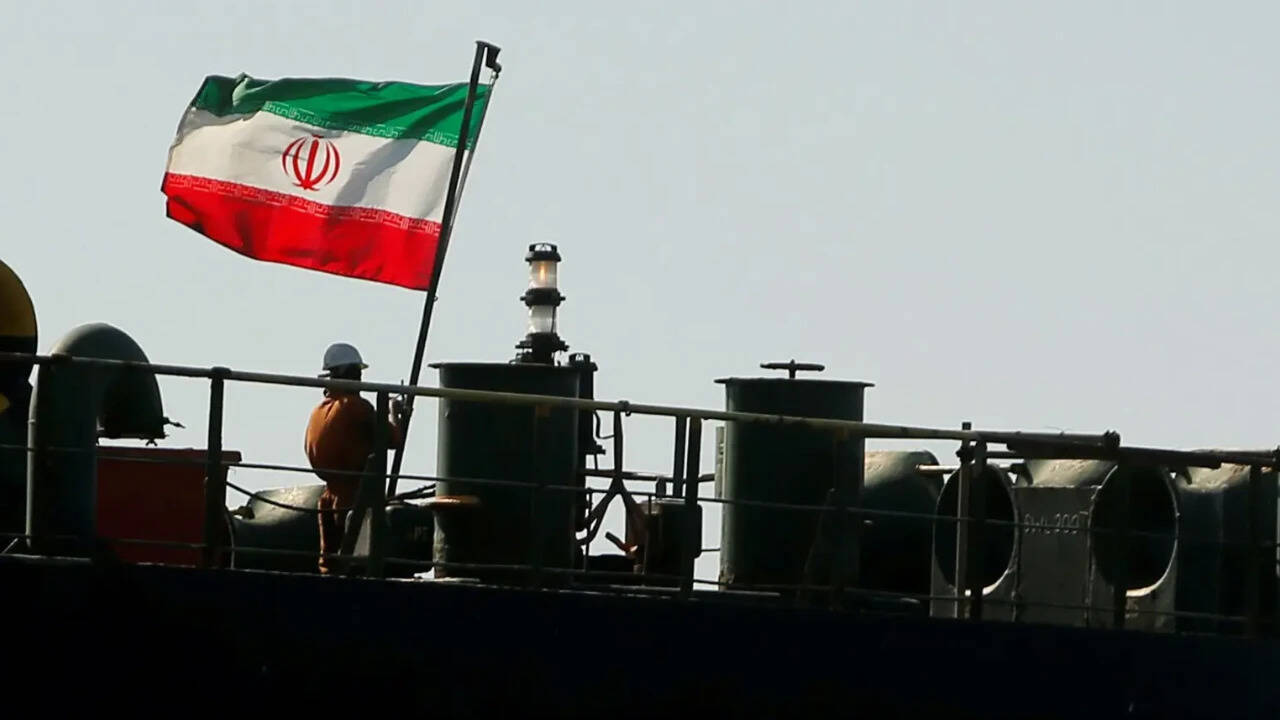
How Iran's Ghost Ships Are Evading America's Military
This resource provides a detailed look into the operational mechanics and digital deception tactics utilized by maritime networks to bypass international trade restrictions.
http://googleusercontent.com/youtube_content/1