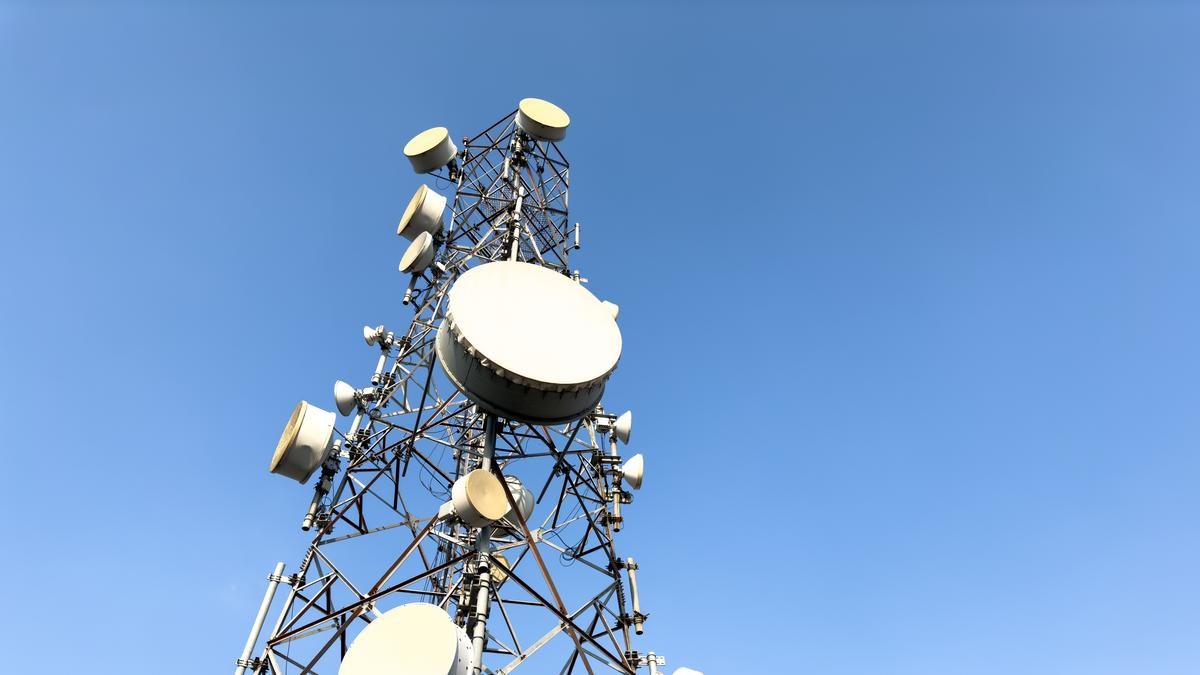
The operational viability of Bangladesh’s telecommunications sector is currently tethered to a high-risk energy dependency model that transforms regional West Asian instability into immediate domestic connectivity failure. While superficial analysis blames "fuel shortages," the crisis is actually a failure of decentralized power resilience. The industry operates on a high-burn rate of liquid fuels to compensate for a brittle national grid, meaning any contraction in the global oil supply chain triggers a cascade of base transceiver station (BTS) failures.
The Energy Intensity of Connectivity
Modern telecommunications networks are not just data conduits; they are massive distributed energy consumers. In Bangladesh, the geography of the network dictates its vulnerability. The infrastructure relies on a hybrid power model:
- Grid Primary: Direct draw from the national power utility.
- Diesel Backup (Gensets): Combustion engines that activate during load-shedding.
- Battery Storage: Deep-cycle lead-acid or lithium-ion banks providing a buffer between grid failure and generator ignition.
The "West Asia fuel crisis" acts as a supply-side shock that exposes the inefficiency of the second pillar. When the cost of diesel fluctuates or supply chains tighten, the OpEx (Operating Expenditure) for tower companies (TowerCos) and Mobile Network Operators (MNOs) scales non-linearly. Because the grid is unreliable, diesel is not a "backup" but a core component of the energy mix.
The Power-Connectivity Correlation Function
The relationship between fuel availability and network uptime is governed by the Mean Time to Depletion (MTTD). In a standard outage scenario, a tower site follows a specific degradation path:
- Phase 1: Grid Disconnect: The site loses utility power.
- Phase 2: Rectifier Transition: Power electronics switch the load to batteries.
- Phase 3: Generator Engagement: If the outage exceeds battery capacity (often 2–4 hours), the diesel generator must fire.
- Phase 4: Fuel Exhaustion: If the West Asian supply crunch prevents refueling of the onsite tanks (typically 200–500 liters), the site goes dark.
This creates a "connectivity blackout" where users lose voice and data services despite having fully charged devices. The economic ripple effect is immediate, as mobile financial services (MFS)—which underpin a significant portion of Bangladesh's retail economy—cannot process transactions without active cell towers.
Structural Bottlenecks in the Supply Chain
The crisis is compounded by the logistics of the Last Mile Fuel Delivery (LMFD). Even if fuel is available at the national level, the distribution to 45,000+ tower sites across difficult terrain becomes a cost-prohibitive exercise during a price surge.
The strategy of "just-in-time" refueling, practiced by many subcontracted maintenance firms, fails under the weight of West Asian geopolitical instability. When the global market tightens, the Bangladesh Petroleum Corporation (BPC) must ration supply, leading to a hierarchy of needs where telecommunications—often categorized lower than healthcare or heavy industry—faces the first cuts.
The Three Pillars of Network Fragility
The current shutdown risk is built on three specific systemic vulnerabilities:
1. Low Renewable Penetration
Less than 5% of tower sites in Bangladesh utilize solar-hybrid systems. The initial CapEx (Capital Expenditure) required for solar arrays and high-capacity storage has historically been deemed too high compared to the cheap, albeit volatile, diesel alternative. This leaves the network 95% exposed to global hydrocarbon pricing.
2. Battery Cycle Degradation
Frequent load-shedding forces batteries to cycle multiple times per day. In a fuel crisis, these batteries are never allowed to reach a 100% State of Charge (SoC). This "partial state of charge" operation leads to rapid sulfation or thermal runaway, reducing the 4-hour buffer to less than 60 minutes within months of deployment.
3. Spectrum Efficiency vs. Power Draw
Higher frequency bands (like those used for 4G and 5G) have shorter propagation distances, requiring a higher density of towers. Each additional tower increases the aggregate fuel demand of the network. The move toward higher-speed data has inadvertently made the network more hungry for the very fuel that is now in short supply.
The Economic Cost of Disconnection
A 10% drop in network uptime does not result in a 10% loss of revenue; it results in a systemic shock. The "Digital Bangladesh" initiative has integrated mobile connectivity into the following critical paths:
- Remittance Management: Millions of households rely on mobile apps to receive and distribute funds from expatriate workers in West Asia. The irony is poignant: the very region providing the funds is the source of the fuel crisis preventing the funds' distribution.
- SME Logistics: Small and medium enterprises use mobile data for inventory management and customer acquisition.
- Emergency Services: The 999 emergency response system is entirely dependent on the ubiquity of the BTS network.
Logical Framework for Energy Resilience
To mitigate the shutdown risk, the sector must move away from fuel-burning backups and toward a Decentralized Energy Resource (DER) strategy. This involves:
- Lithium-Titanate (LTO) Transition: Unlike standard lithium-ion, LTO batteries can handle rapid charge/discharge cycles and have a much longer lifespan, making them suitable for the 10-15 outages per day seen in rural Bangladesh.
- Tower Sharing Optimization: Regulatory frameworks must mandate that MNOs share physical tower infrastructure to reduce the total number of generators running simultaneously.
- AI-Driven Load Shedding: Implementing "Smart Sleep" modes where non-essential frequency bands are powered down during low-traffic hours to preserve fuel and battery life for essential voice services.
Strategic Forecast for the Fiscal Year
The reliance on West Asian fuel is a permanent geopolitical risk, not a temporary fluctuation. For the Bangladesh telecom sector to survive the next 24 months without catastrophic shutdowns, a radical reallocation of capital is required.
Expect a shift from "Coverage Expansion" to "Uptime Hardening." MNOs that continue to prioritize 5G rollouts in urban centers over energy-resilient 4G in the periphery will face significant churn as their reliability metrics plummet. The competitive advantage in the Bangladesh market is no longer speed; it is the ability to stay online when the fuel tankers are delayed in the Strait of Hormuz.
The immediate tactical move for stakeholders is the aggressive procurement of long-duration energy storage and the negotiation of "Priority Infrastructure" status for fuel allocation. Failure to decouple the cellular heartbeat from the price of a Brent Crude barrel will result in a fragmented, unreliable digital economy that cannot support the nation's growth targets.