Modern electronic toll collection systems rely on a friction-free operational architecture: transponder signals or automated license plate recognition (ALPR) cameras capture vehicle transit data, mapping it directly to a registered owner database. This model assumes that vehicle registration data is immutable, accurate, and tied to a solvent entity. When criminal networks systematically exploit administrative vulnerabilities in state-level registry interfaces, they subvert the entire economic feedback loop of the infrastructure.
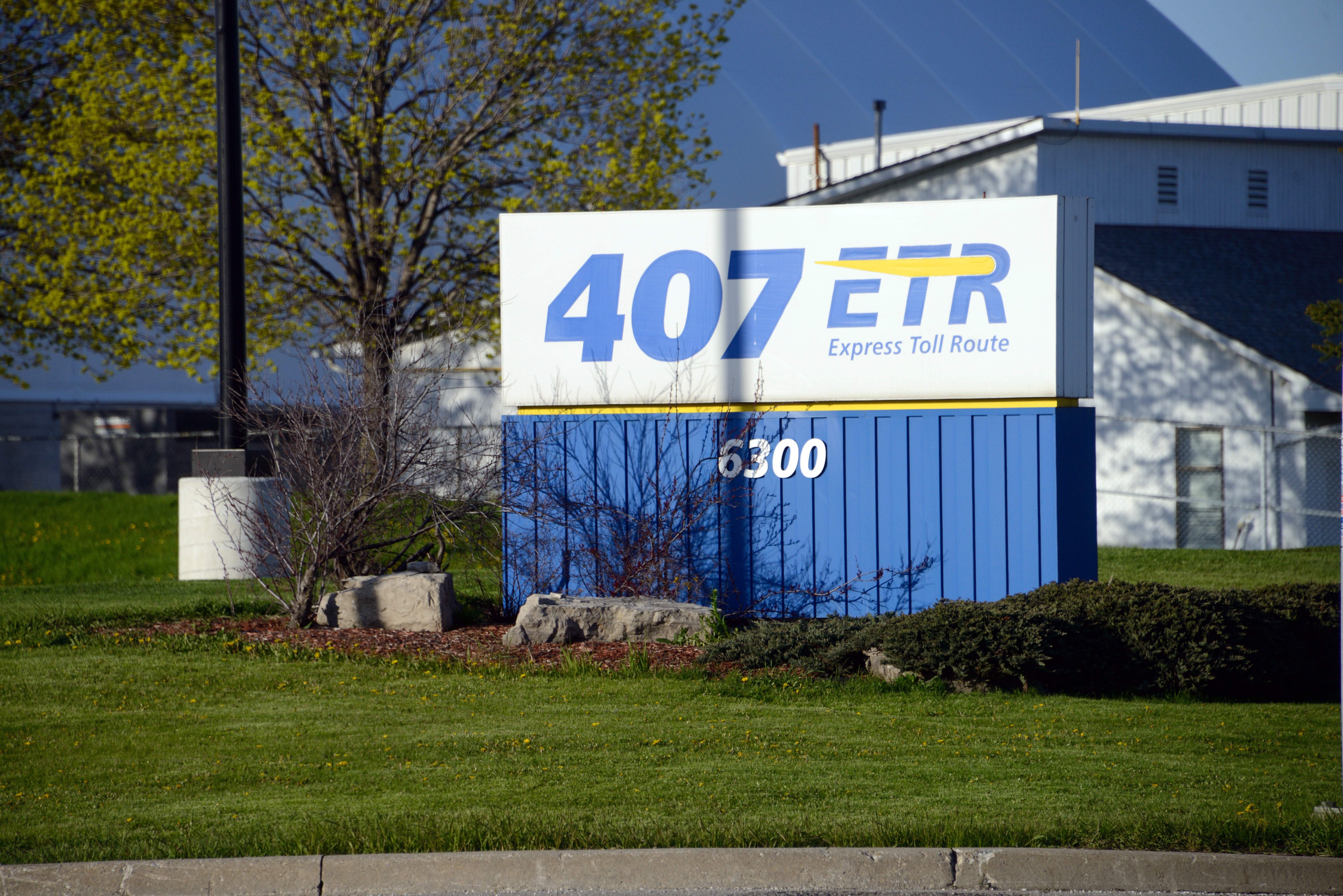
The mechanics of Project Octane, an investigation executed by the Peel Regional Police Commercial Auto Crime Bureau alongside the Ministry of Transportation and 407 ETR, expose how synthetic identity creation and document forgery intersect with municipal transit revenue leakage. The operation resulted in four arrests and the recovery of ten stolen vehicles valued at approximately $750,000, tied directly to over $100,000 in accumulated, unpaid toll liabilities. Deconstructing this operation reveals the underlying vector of asset laundering, administrative arbitrage, and the specific failure points within vehicle registry governance.
The Operational Vector of Registration Fraud
Vehicle registration fraud is rarely an isolated document falsification act; it functions as a systemic mechanism designed to break the traceability chain between a physical asset and its beneficial owner. In automated toll networks like Ontario Highway 407, enforcement mechanisms depend on a closed-loop identification process.
- Asset Acquisition: High-value vehicles are procured through theft or financing fraud. At this stage, the asset carries a distinct Vehicle Identification Number (VIN) tied to its factory provenance.
- Identity Masking: Perpetrators generate forged ownership documents or utilize compromised credentials to interact with registry interfaces, such as ServiceOntario locations.
- Registry Pollution: By altering the recorded ownership data, the vehicle is assigned to a shell entity, a fictitious persona, or an unwitting third party.
- Revenue Bypass: With altered registration status, the vehicle accumulates extensive toll charges. Because the billing address points to a dead drop or a synthetic identity, collection notices fail to reach a viable debtor, while the physical vehicle remains in circulation utilizing cloned or altered plates.
The convergence of $100,000 in unpaid tolls across just ten recovered vehicles indicates a high-frequency utilization pattern. This average of $10,000 per vehicle implies sustained, deliberate passage over electronic gantries without transponder linkage, relying entirely on ALPR errors or deliberate obfuscation of plates to delay detection.
The Economic Impact on Toll Infrastructure
Electronic toll highways function on a private-public or concession-based revenue model where operating margins depend on collection efficiency. When debt recovery fails due to fraudulent registration data, the financial deficit triggers structural downstream effects.
- Bad Debt Provisioning: Uncollectible tolls transition from accounts receivable to written-off bad debt. While corporate toll operators maintain loss provisions, systemic exploitation forces upward pressure on toll rates for compliant commercial and consumer users to offset revenue leakage.
- Administrative Friction Costs: Investigating and cross-referencing fraudulent plates demands extensive inter-agency coordination between municipal police services, provincial transportation ministries, and private audit teams. The labor cost of manual audits far exceeds standard automated billing overhead.
- Collateral Asset Depreciation: Stolen vehicles utilized in toll evasion loops are frequently subjected to high mileage and lack basic maintenance, degrading their secondary market value before recovery by law enforcement agencies.
Institutional Vulnerabilities in Identity Verification
The vulnerability exploited in multi-agency jurisdiction cases centers on the latency between physical transactions and database verification. Service counters handling vehicle registration rely on physical document inspection. When forgery techniques outpace the visual or digital verification training of front-line administrative staff, synthetic records enter the master database.
Furthermore, jurisdictional silos create informational gaps. Private toll operators do not possess law enforcement powers to verify the authenticity of underlying registry documents, while provincial ministries processing registrations do not monitor real-time traffic toll defaults as a trigger for registry audits. Criminal enterprises weaponize this institutional seam, utilizing legitimate administrative channels to legitimize illicit capital assets.
Strategic Countermeasures for Systemic Integrity
Mitigating registry-linked toll evasion requires tightening the feedback loop between transit operators and registry databases. Reliance on retrospective criminal investigations, such as Project Octane, acts merely as a lagging indicator of systemic failure.
Real-time anomaly detection models must be integrated directly into toll processing architecture. When a single vehicle identity accumulates velocity patterns inconsistent with its billing profile, or when a newly registered VIN registers high-frequency toll events without a matching active financial instrument, automated flagging protocols must trigger temporary administrative holds. Concurrently, upgrading identity verification standards at provincial registry intake points to incorporate biometric or digital credential validation reduces the efficacy of forged paper instruments.
Closing the margin between physical asset transit and database validation remains the primary operational imperative for neutralizing synthetic registration fraud. Until administrative data hygiene matches the speed of automated toll collection, infrastructure networks will remain exposed to systematic exploitation by bad actors arbitraging institutional seams.