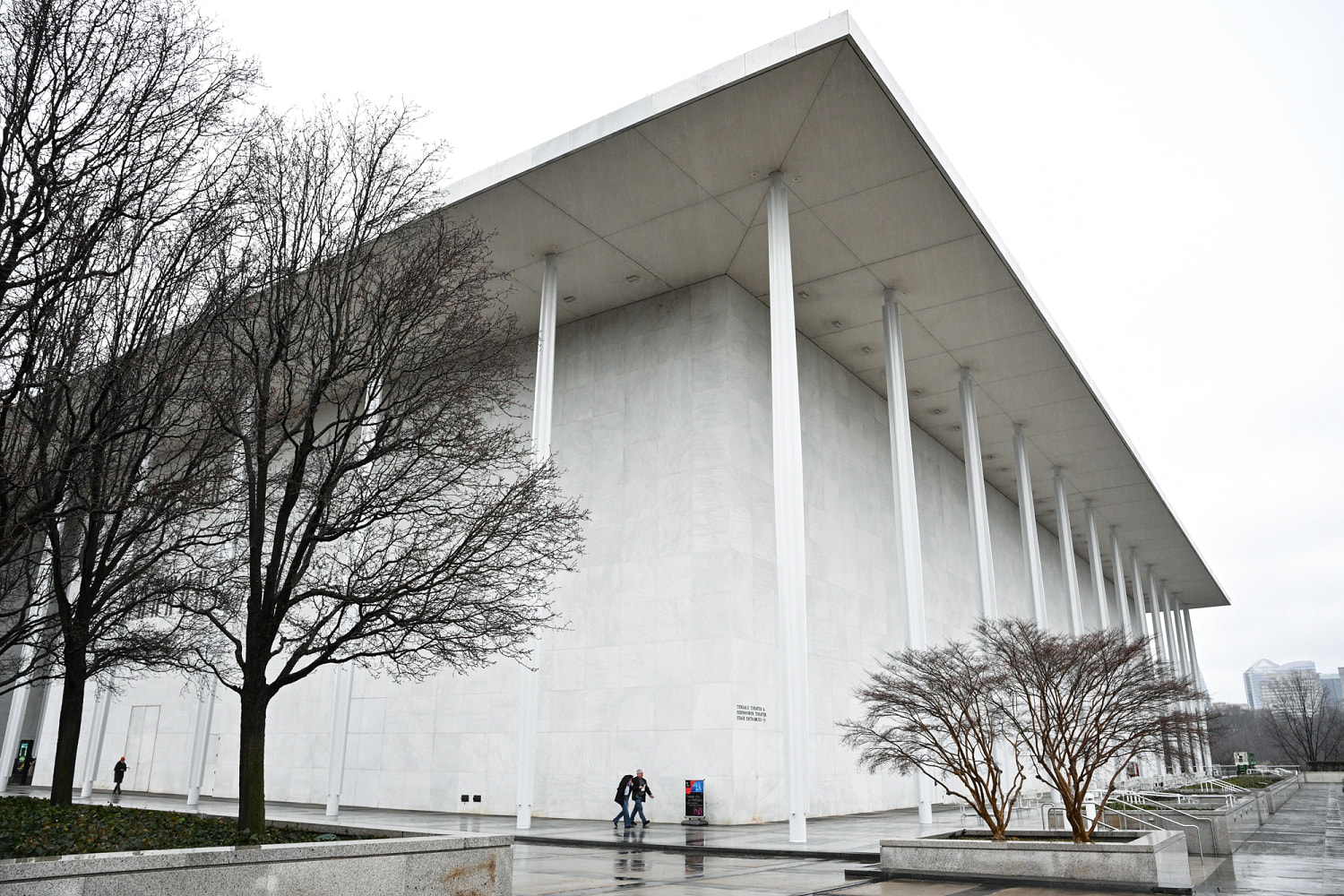
When the Kennedy Center decided to slap a lawsuit on jazz drummer Chuck Redd for canceling a Christmas Eve gig, they probably expected a quick capitulation. Instead, they just got handed a brutal $252,479.70 bill for his legal fees.
D.C. Superior Court Judge Tanya Jones Bosier didn't mince words. She ordered the institution to pay up within 45 days, calling the hefty price tag a good-faith evaluation of the defense costs Redd had to rack up. If you've been following the messy intersection of arts, politics, and bad legal strategy, this ruling marks a massive and expensive reality check for the venue's leadership.
How a Canceled Holiday Jam Turned Into a Courthouse War
For nearly twenty years, Redd hosted a beloved Christmas Eve "Jazz Jam" on the Kennedy Center's Millennium Stage. That tradition imploded in December when the center's board voted to add President Donald Trump's name to the building.
Redd refused to play. He pulled out of the performance and told the Associated Press exactly why. He wasn't going to lend his name or his music to an institution undergoing a sudden, politically charged rebrand.
Leadership didn't take the rejection well. Former Kennedy Center president Richard Grenell labeled Redd's departure a political stunt and initially floated threats of a $1 million lawsuit. By March, the center officially sued the percussionist for breach of contract, claiming his public stance ruined their goodwill and wasted marketing dollars.
The Fatal Flaw in the Kennedy Center Legal Strategy
Suing someone over a canceled concert usually requires a very basic piece of evidence: an actual, signed contract.
Turns out, the Kennedy Center lawyers completely missed this minor detail. Redd never signed an agreement for that year's holiday show. He had been in loose talks with staff, but put pen to paper? Never.
In June, Judge Jones Bosier tossed the entire breach-of-contract lawsuit out of court. But she didn't stop there. She also ruled in favor of Redd under Washington, D.C.'s anti-SLAPP statute—a law specifically built to shield people from retaliatory lawsuits designed to silence public criticism.
When you file a lawsuit just to punish someone for speaking to the press about a matter of public debate, you run a massive risk. Under the anti-SLAPP framework, the loser pays the winner's legal expenses.
Paying the Price for Political Retribution
Redd’s legal team, led by attorney Lisa Banks, didn't hold back after the latest ruling. They called the original lawsuit what it was: political retribution designed to intimidate artists who dared to object.
When Redd's attorneys submitted a bill for roughly $258,000, the Kennedy Center's legal representation balked. They called the amount astonishing and completely disproportionate to a simple contract dispute.
Judge Bosier disagreed, landing the final judgment at $252,479.70. Representatives for the center have muttered about an appeal, but right now, they are staring down a strict 45-day deadline to clear the balance.
This whole ordeal serves as an expensive reminder to institutional boards everywhere. Threatening artists with massive litigation because they refuse to play ball during a political controversy rarely survives contact with an actual courtroom.