The kitchen in Brampton smells of cardamom and stale anxiety.
Outside, a wet Canadian snow is falling, turning the asphalt the color of a wet slate roof. Inside, Aarav stares at an open suitcase on the bed. Half-packed with wool sweaters and photocopied diplomas, it has sat in the corner of his rented basement bedroom for three weeks. It is an artifact of hesitation.
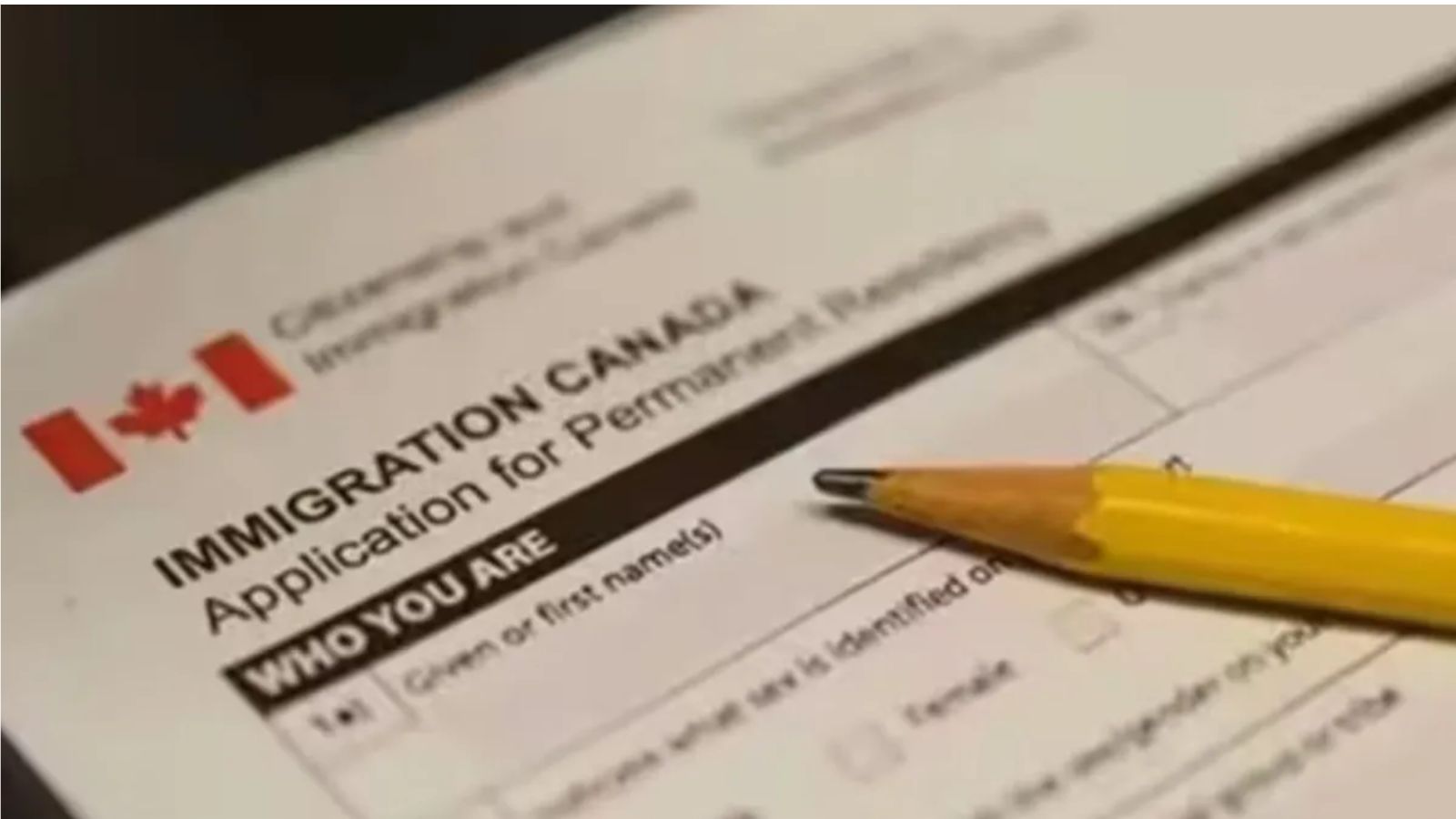
Aarav represents a statistic. He is a data point in a massive administrative pivot that has quietly reshaped the North American horizon. Recent immigration updates reveal a sharp contraction in permanent residency numbers, and a single demographic accounts for nearly sixty percent of that drop. Citizens of India, who for years built their futures on the promise of the Canadian Dream, now find themselves looking at locked doors.
To understand this drop, you have to look past the spreadsheets. You have to look at the geometry of hope.
For a decade, the pathway was clear, if steep. Come on a study permit. Work the overnight shifts at warehouse logistics hubs. Pay international tuition fees that subsidize domestic classrooms. Graduate. Gain valuable Canadian work experience. Wait for the invitation to apply for permanent residency. The system functioned like a massive conveyor belt, slow and mechanical, but moving forward.
Then the belt stuttered.
Housing markets strained past their breaking point. Healthcare networks groaned under the weight of surging populations. Public sentiment, once fiercely welcoming, began to fray at the edges. Governments react to pressure the way physics dictates: they seek equilibrium. Caps were introduced. Express Entry cut-off scores climbed into the stratosphere, turning a merit-based system into a lottery where only the absolute flawless survived.
Aarav missed the cut-off by four points. Four points. The equivalent of a single year of age penalty, or a fraction of a score on an English proficiency exam.
Consider what happens next in a life governed by algorithmic thresholds.
Back home in Punjab, his family talks about him in hushed, proud tones to the neighbors. They do not know about the basement apartment where the radiator clanks rhythmically through the sub-zero nights. They do not know about the expired work permit ticking down like a time bomb. If Aarav boards a flight back, he carries the heavy, invisible burden of perceived failure. Not because he failed—he worked seventy-hour weeks while maintaining a spotless record—but because the target moved while he was running toward it.
This is the human cost behind the sixty percent drop. It is not just a policy adjustment on immigration targets. It is millions of individual calculations suddenly rewritten by bureaucratic ink.
Policy analysts call it immigration normalization. They talk about absorptive capacity, infrastructural lag, and macroeconomic stabilization. These terms are accurate. They are also cold. They strip the blood from the bones of the migration story. Canada needed to cool a overheating housing market, true. Municipalities needed time to lay pipes, build schools, and expand transit lines, true.
Yet, the abruptness of the contraction created a generation of limbo dwellers.
People like Priya. Priya came to Vancouver with a master's degree in artificial intelligence. She thought her skills were the exact currency Canada wanted. For two years, she coded by day and volunteered at a community kitchen by night, believing she was weaving herself into the social fabric. When the rules shifted, prioritizing specific healthcare and trade sectors while sidelining tech generalists, her permanent residency dream evaporated overnight.
She tells me over weak coffee that she feels like a ghost. Visible enough to pay taxes, invisible enough to have no voice in the civic machinery that governs her daily existence.
Migration has always been a gamble. Every person who boards a trans-Pacific flight wagers their youth against the promise of a better tomorrow. They trade the familiar comfort of extended family for the stark isolation of Western individualism. They accept deskilling, starting over at the bottom of professional ladders, and enduring winters that freeze the inside of your nose.
They do this because the social contract promised stability in return for labor and resilience.
When that contract is amended mid-stream, the psychological toll is profound. The sixty percent drop in Indian permanent residents is not merely a reflection of tightening caps; it is a mass retreat of applicants who calculated the risk-reward ratio and decided the math no longer works. Why stay on a treadmill that accelerates while the belt shrinks beneath your feet?
Some are looking south, toward an American system that remains erratic but offers different avenues. Others are packing their bags for Europe or the Gulf. A significant number are simply buying one-way tickets back to New Delhi, Bangalore, and Chandigarh, carrying Western experience back to economies that are suddenly booming with their own fierce gravitational pull.
The irony is sharp. Nations built on immigration thrive on the energy of the newcomer—the relentless drive of the person willing to risk everything for a blank slate. By pulling up the drawbridge, even for sensible demographic management, countries risk losing something intangible. They risk losing the ambition that made them dynamic in the first place.
Back in Brampton, Aarav zips the suitcase.
The zipper catches on a stray thread, forcing him to yank it free with a sharp rip that echoes in the small room. He walks over to the window and looks out at the snow falling softly over the suburban streetlights. The ice clings to the glass, distorting the world outside into blurred smears of yellow and white.
He turns off the desk lamp. The room goes dark, save for the faint glow of his phone screen, ticking down the days left on his visa.