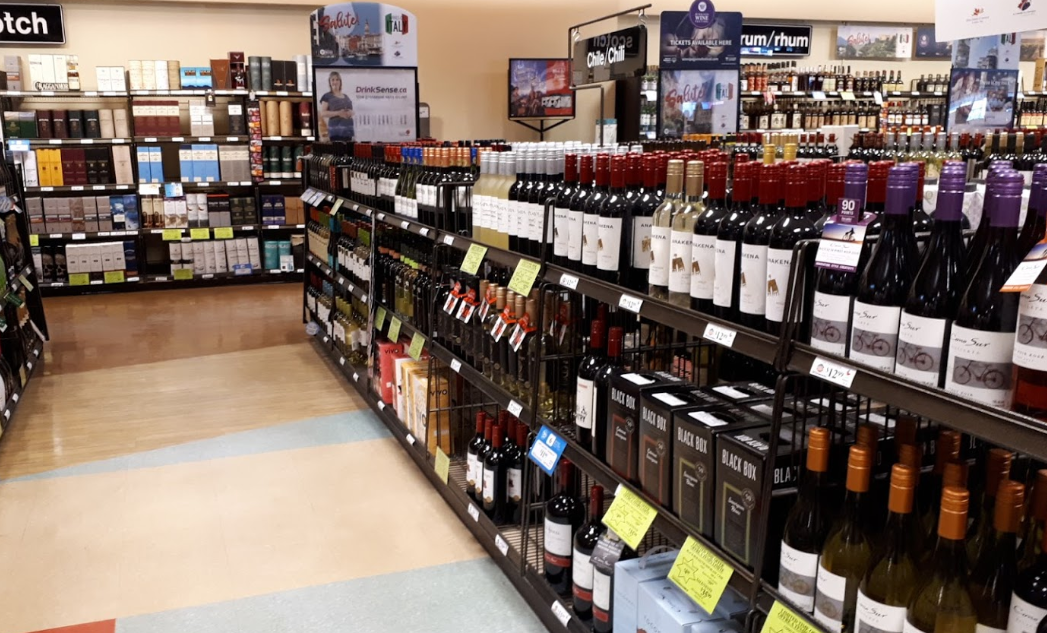
Manitoba Premier Wab Kinew wants you to play a petty game of grocery store spite. Facing the potential return of American alcohol to Liquor Mart shelves as part of a high-stakes trade truce with Washington, Kinew offered a populist rallying cry: put the bottles back if you must, but let them gather dust. Leave the Kentucky bourbon and California wine untouched, he argues, and buy Canadian instead.
It sounds like fierce patriotism. It is actually a fundamental misunderstanding of how modern trade, provincial revenues, and basic human behavior work.
The lazy consensus in Canadian politics right now is that consumer boycotts directed by premiers can act as a permanent substitute for structural economic strategy. They cannot. Telling citizens to ignore products on a shelf is a weak substitute for a real competitive advantage, and it ignores the financial plumbing that keeps provincial budgets afloat.
The Flawed Logic Of The Managed Cartel
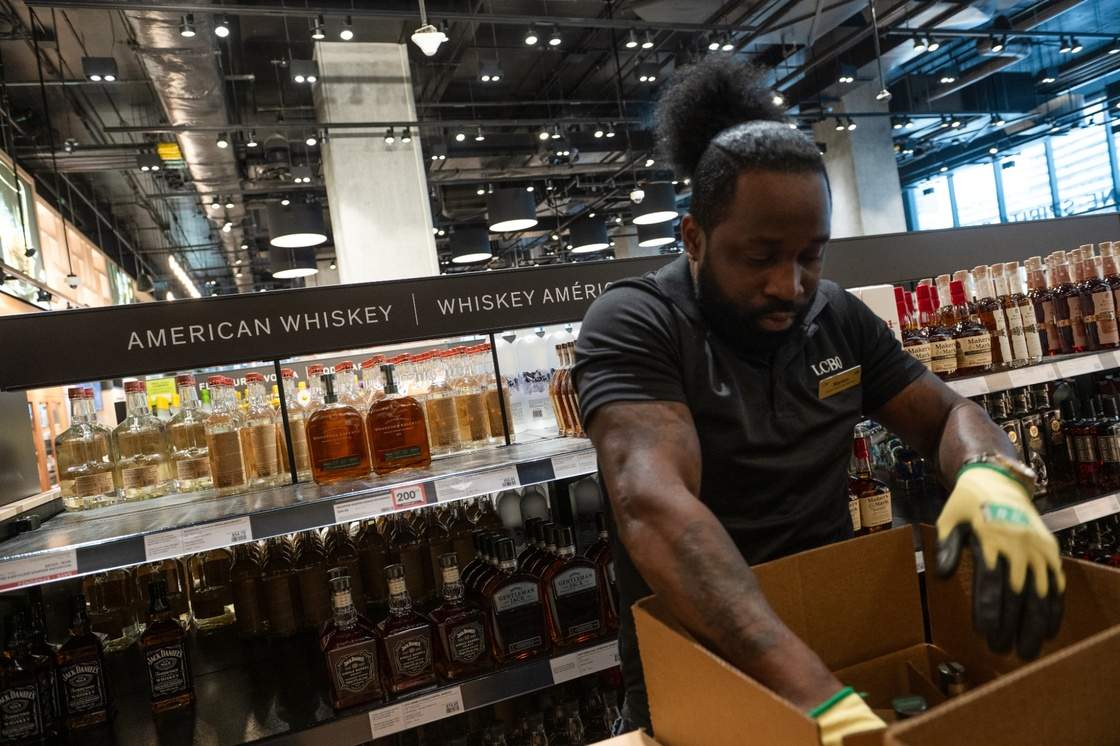
Let us look at the mechanics. Provincial liquor boards are not corner stores; they are state-sanctioned monopolies. When the Manitoba Liquor and Lotteries Corporation buys stock—whether it is local craft gin or imported Napa Valley cabernet—that inventory represents working capital.
If American bottles return to shelves because Prime Minister Mark Carney needed to appease Washington to avert crippling fifty percent tariffs on Canadian steel, aluminum, and autos, those bottles occupy valuable floor space. If they sit there unbought because of a premier's moral instruction, the system absorbs carrying costs. Inventory turnover slows. Margins shrink.
More importantly, pretending that consumer boycotts are cost-free is an insult to the intelligence of anyone who understands retail. Consumers buy what fits their palate and their wallet. When governments manipulate retail availability as an extension of foreign policy, they treat citizens like foot soldiers in a culture war over pinot noir.
Follow The Margin
Here is what the politicians will not tell you. Canadian craft distilleries and vineyards have enjoyed a protected sandbox during these retaliatory trade spats. Sales numbers showed a bump when U.S. booze was yanked off shelves. But protectionism is a narcotic. It dulls the drive for operational excellence.
When you tell domestic producers they have a captive audience, you remove the pressure to scale, export, and compete globally. A robust domestic sector is built on superior product quality and efficient distribution, not on a government-mandated monopoly penalty against foreign competitors. If Canadian wine and spirits cannot win on a level shelf against international competition, a moralizing speech from a premier will not save them in the long run. It only delays an inevitable reckoning.
Imagine a scenario where every consumer follows Kinew’s advice to the letter. The U.S. product rots in provincial warehouses. What happens next? Washington notices. The fragile trade truce fractures. The threatened tariffs snap back onto Canadian manufacturing sectors that employ hundreds of thousands of workers, dwarfing the economic footprint of any domestic boutique winery. Sacrificing industrial stability to preserve a symbolic liquor boycott is strategic malpractice.
The Reality Of Trade Realpolitik
Trade deals are messy bundles of compromises. Carney understood this when he practically begged premiers to clear the way for American alcohol to satisfy the White House. You do not win trade wars by digging in your heels over shelf space while your heavy manufacturing sectors bleed out from retaliatory duties.
Kinew can posture about American political fragility all he wants. Posturing does not pay for provincial healthcare, roads, or education. Liquor retail margins do.
Stop treating grocery aisles as battlegrounds for geopolitical posturing. Buy what you want, drink what you prefer, and let the adults handle the border.