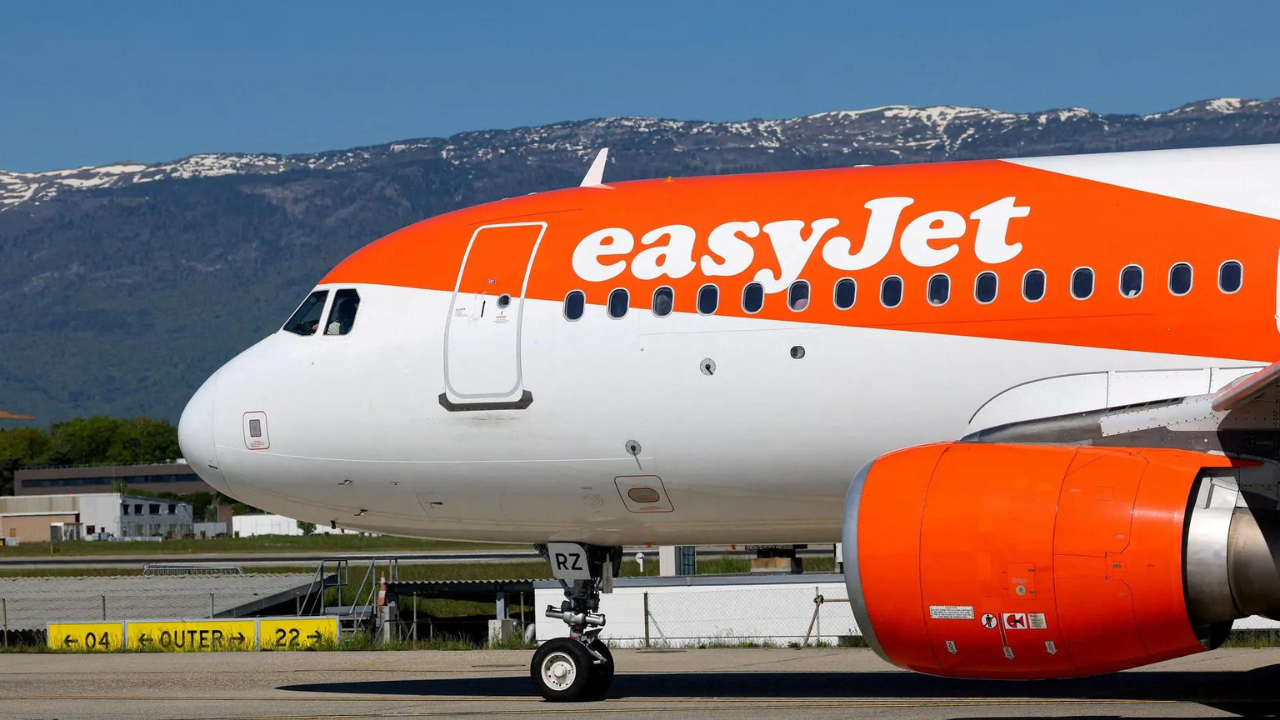
Dawn arrives late over Yeadon, bleeding a cold, grey light across the asphalt of Leeds Bradford Airport. For sixteen years, the signature orange livery of an EasyJet aircraft has been part of that morning awakening. It was a familiar sight for travelers bundled against the Yorkshire wind, waiting for flights to Barcelona, Malaga, Palma, Paris, Geneva, or Belfast.
That morning routine is about to shatter.
Beginning January 5, 2027, those orange planes will vanish from the tarmac entirely. The budget carrier has confirmed it will pull out of Leeds Bradford Airport completely, closing a chapter that began back in 2010 when the airline first launched its Geneva service. For thousands of local flyers, the announcement feels less like a corporate restructuring and more like a door quietly closing on the wider world.
The Geography of Convenience
To understand why this departure stings, you have to stand in the departure lounge on a freezing Tuesday. Geography in northern England is a stubborn thing. Getting to Manchester Airport from parts of West Yorkshire often means navigating grueling stretches of the M62, a motorway that tests the patience of even the most Zen-like drivers. For families in Bradford, Leeds, and the surrounding dales, having an international gateway right on the ridge above the city was a matter of quiet local pride.
When the airport unveiled its shiny, expensive terminal expansion—a one-hundred-million-pound investment designed to modernize retail spaces, lounges, and seating—it signaled a promise of growth. Travelers walked through those newer, brighter corridors expecting the horizon to widen. Instead, the economic math of modern aviation has cut straight across those expectations.
Corporate balance sheets rarely account for the sinking feeling of a canceled holiday booking. EasyJet officials point to a strategy of doubling down on their highest-performing routes, pruning the network to maximize yield. Behind the sanitized corporate statements lies a shifting market defined by rising operational costs and volatile fuel prices. The airline chose to step away, leaving six key routes orphaned at this particular Yorkshire hub.
What Happens to the Passenger Left Behind
Consider a hypothetical traveler named Arthur, seventy-two, who lives just outside Harrogate. Every winter, Arthur books an EasyJet flight to Geneva to visit his daughter, who teaches English in the Swiss Alps. For him, the journey was delightfully uncomplicated. A short taxi ride up to Yeadon, a quick pass through security, and a direct hop across Europe.
Now, Arthur faces a different reality. Passengers holding tickets for dates past January 5 are receiving notifications offering a stark choice: a full refund or a free transfer to alternative flights departing from a different, more distant airport. For Arthur, that means navigating a much longer trek to Manchester or Doncaster, turning a straightforward trip into an exhausting logistical puzzle.
The airline promises that schedules will operate normally right up until the January cutoff. Holiday itineraries booked for the autumn and early winter are safe. But the psychological shift has already happened. People browsing for late-spring getaways or next summer's family breaks are met with blank digital screens where direct connections used to live.
The Wider Sky
Airports are living ecosystems. When one major player packs up its boarding stairs, the local vacuum does not remain empty for long, but it changes the texture of travel. Rival carriers like Ryanair and Jet2 maintain their heavy presence at the airfield, and Jet2 even has new Mediterranean routes planned for the summer of 2027. The airport will survive, and planes will continue to climb through the low-hanging Yorkshire clouds.
Yet, the departure marks the end of an era of abundant choice. It reminds us how fragile our connections to the rest of the map truly are. We treat airline routes like permanent infrastructure, imagining that once a flight path is drawn across a continent, it stays there forever.
The reality is far more fragile. Routes exist only as long as spreadsheets balance and profit margins hold. When those lines fail to align, big corporations pivot instantly, leaving passengers to gaze out at an empty gate, wondering how quiet the terminal will feel once the orange paint is gone for good.