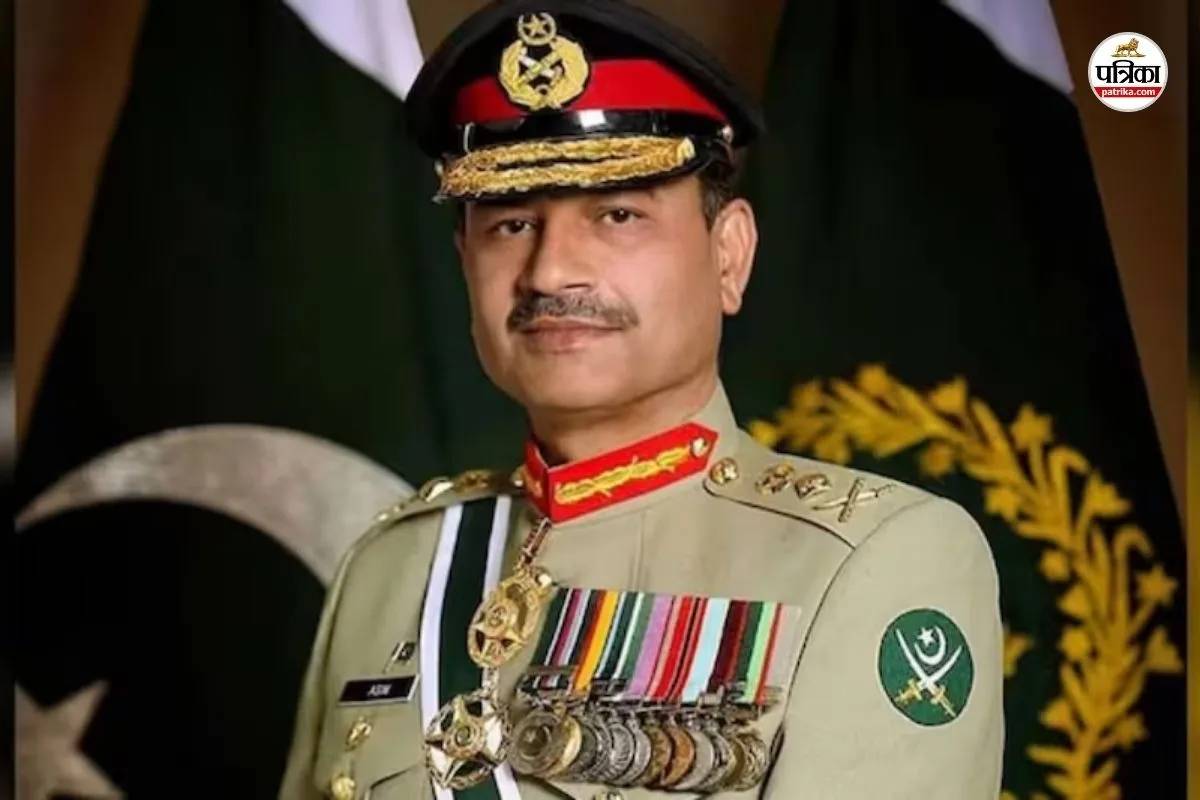
The mainstream media treats international diplomacy like a high school Model UN conference, complete with naive assumptions about goodwill, mutual understanding, and noble mediators holding hands to stop the fighting. When headlines trumpet that Pakistan’s military chief, Field Marshal Asim Munir, is flying to Tehran to salvage stalled Washington-Tehran talks, the consensus narrative swoons. Commentators frame it as a noble quest for regional harmony, a brave general stepping into the breach to save West Asia from self-destruction.
It is a comfortable fiction. And it is completely wrong.
Asim Munir is not flying to Iran to wear a white hat and distribute olive branches. He is touching down in Tehran because Pakistan is caught in a geopolitical vise, squeezed between impending crushing American sanctions, a fractured Strait of Hormuz, and Islamabad’s own urgent calculations regarding survival and economic desperation. Stripping away the diplomatic pageantry reveals a hard-nosed transaction of survival, deterrence, and damage control.
The Myth of the Neutral Mediator
The lazy consensus relies on the archetype of the honest broker. We are told that Pakistan, having helped midwife the stalled June memorandum of understanding, is uniquely positioned to bridge the gap between Washington and the clerical regime.
This view misunderstands the fundamental nature of modern military-led diplomacy. Pakistan is not an impartial bystander; it is a frontline stakeholder with skin deep in the game. Islamabad recently finalized joint defense alignments with Saudi Arabia and Turkey—moves that historically cause deep anxiety in Tehran. If you think a general managing a delicate regional balancing act can waltz into Iran without answering for those security realignments, you are reading fairy tales instead of intelligence briefings.
Munir’s visit coincides directly with threats from Washington of the most aggressive economic isolation campaign in modern history against Iran, paired with Tehran’s warnings to neighbors against cooperating with a fresh American economic squeeze. When a military commander of a nuclear-armed state lands in an active theater immediately preceding an economic execution order, he is not discussing poetry. He is drawing red lines, managing fallout, and protecting his own borders from spillover.
What the Chokepoint Reality Actually Looks Like
Let us look past the press releases about bilateral cooperation and regional security. The core failure of the current talks is not a lack of diplomatic creativity; it is a physical and economic deadlock over the Strait of Hormuz.
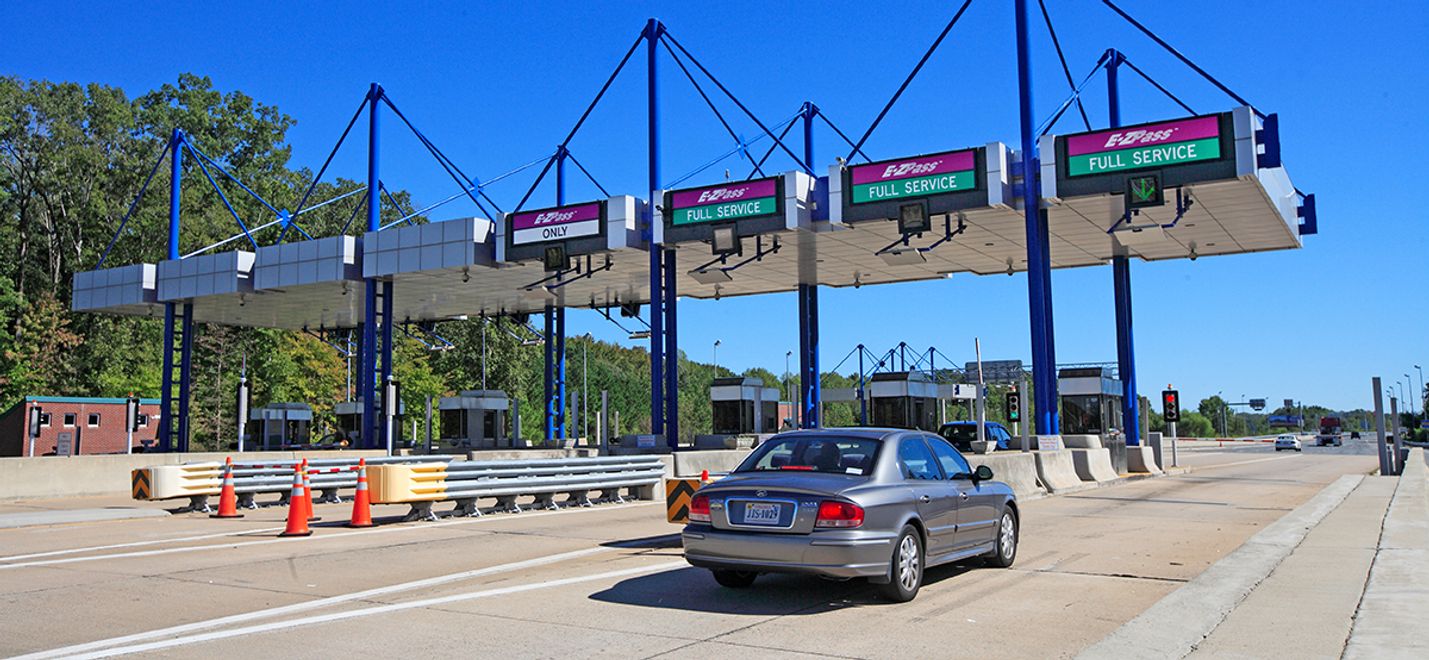
Imagine a scenario where global energy life support is held hostage by a closed chokepoint while two adversaries trade missile salvos. That is not a hypothetical; it is the current reality. Roughly a fifth of the world's total energy supplies used to flow freely through those waters before the conflict turned the Gulf into a maritime graveyard. Tehran has made it clear that unauthorized tankers risk immediate kinetic response, while Washington demands absolute freedom of navigation as a non-negotiable prerequisite for any permanent text.
No amount of mediation by Islamabad can square that circle unless one side capitulates. Iran’s leadership views economic warfare as an existential threat, leaving them with very little incentive to back down on maritime controls when sanctions are already choking their treasury. Munir is carrying messages, yes, but he is carrying warnings far more often than compromises. He is telling Tehran what Washington’s ceiling looks like, and he is telling Washington how far the Iranian regime can be pushed before they break the table entirely.
The Regional Squeeze on Islamabad
Why does Pakistan shoulder this immense diplomatic risk? Because a full-blown economic collapse in Iran or a widening regional war creates an immediate security nightmare on Pakistan’s western frontier. Uncontrolled refugee flows, energized militant networks, and disrupted energy corridors threaten to shred Pakistan's fragile economic recovery.
Munir’s trip is an exercise in damage mitigation. He must reassure Tehran that Islamabad’s other defense arrangements do not spell active hostility, while simultaneously placating Western capitals by showing that Pakistan is trying every possible lever to keep communication channels open. It is a tightrope walk over a volcano, not a peace parade.
Stop looking at high-profile military visits through the lens of altruism. Power does not pay for plane tickets to chase abstract ideals. Asim Munir is in Tehran to manage the blast radius of a conflict that refuses to die, balancing on a razor's edge where a single miscalculation turns regional mediation into an open-air brawl.