Japan is moving to bankroll the energy security of its neighbors with a $10 billion financial package designed to stabilize oil supplies across Asia. This isn't merely a gesture of regional goodwill or a routine bureaucratic disbursement. It is a calculated maneuver to maintain Japan’s influence over the vital sea lanes and supply chains that keep its own economy breathing. By offering this massive credit line, Tokyo is attempting to insulate Southeast Asian nations from price shocks while simultaneously ensuring that the flow of crude remains predictable in an increasingly volatile geopolitical climate.
The strategy targets the inherent fragility of the Asian energy grid. Most nations in the region are net importers, hyper-sensitive to the whims of the Middle East and the logistical bottlenecks of the Malacca Strait. When oil prices spike or supply chains fray, these economies shudder. Japan knows that a systemic collapse in a neighboring market isn't an isolated event; it is a contagion that eventually reaches Tokyo’s own balance sheets.
The Mechanics of Financial Sovereignty
This $10 billion commitment functions through a mix of trade insurance, direct lending, and credit guarantees. It is designed to give Asian importers the liquidity they need to secure long-term contracts rather than scrambling in the spot market during a crisis. The spot market is a high-stakes casino where prices can double overnight. By providing a financial backstop, Japan allows these nations to lock in volumes and prices that would otherwise be out of reach for developing treasuries.
Japan’s Ministry of Economy, Trade and Industry (METI) is essentially acting as a regional central bank for energy. This role is vital because commercial banks often pull back from financing oil deals when political tensions rise. Private capital is cowardly. State-backed capital, however, can afford to be brave when the goal is long-term regional stability rather than immediate quarterly dividends.
The infrastructure of this deal relies heavily on Nippon Export and Investment Insurance (NEXI). By expanding the scope of what NEXI can cover, Japan is effectively lowering the cost of doing business for oil producers who might otherwise view selling to certain Southeast Asian markets as too risky. It turns "high-risk" buyers into "Japan-backed" buyers.
Countering the Influence of Rival Powers
You cannot discuss Japanese regional spending without addressing the shadow of China. For years, Beijing has used its Belt and Road Initiative to build physical infrastructure—ports, pipelines, and refineries—across the continent. Japan is playing a different game. Instead of just pouring concrete, Tokyo is providing the liquid capital that keeps the lights on. It is a competition between physical presence and financial integration.
Japan’s approach is arguably more surgical. Building a port takes a decade. Providing a credit line to buy a million barrels of oil takes a few days. This speed allows Japan to respond to immediate crises, such as the supply disruptions caused by conflicts in Eastern Europe or the Middle East, faster than any construction project could.
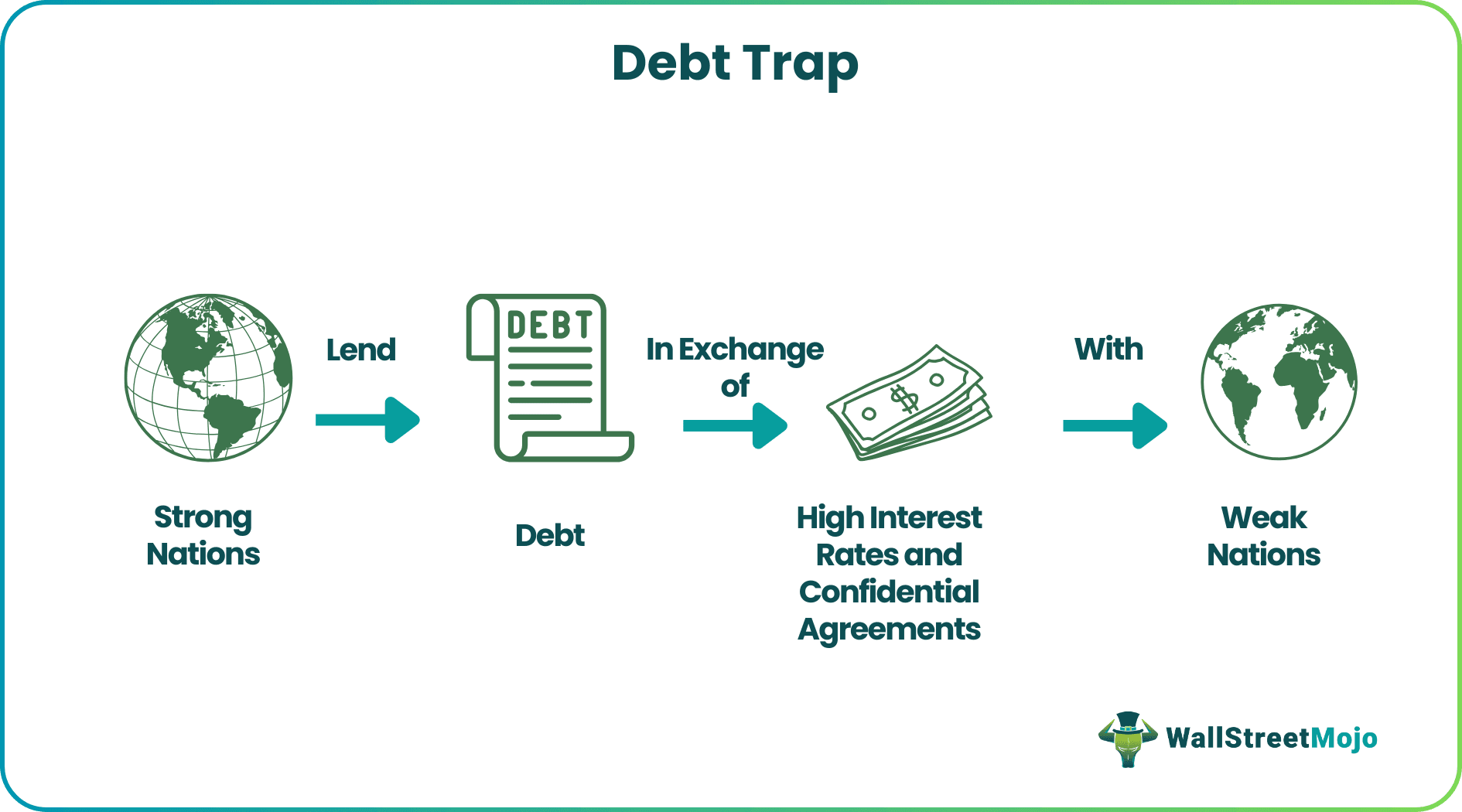
However, this isn't a one-sided victory. Many of the nations receiving this aid are also deep in debt to Chinese state-owned banks. This puts them in a delicate position, forced to balance the hardware of Chinese infrastructure with the software of Japanese financial support. Tokyo is betting that when the chips are down, a nation will value the entity that ensures its trucks can run and its factories can produce today over the entity that built the pier they stand on.
The Hidden Costs of Oil Dependency
There is a glaring irony in this $10 billion push. While the world discusses a transition to renewable energy, Japan is doubling down on fossil fuel stability. This reveals a hard truth that many analysts prefer to ignore. Renewables cannot yet handle the base load requirements of rapidly industrializing nations like Vietnam, Indonesia, or the Philippines. These countries need oil and gas now, not in twenty years.
The Problem of Locked-In Carbon
By financing oil security, Japan is inadvertently extending the lifespan of internal combustion and heavy-oil power generation. Critics argue that this capital would be better spent on solar grids or wind farms. But you cannot run a mega-city on intentions. The immediate threat of social unrest due to high fuel prices outweighs the long-term goals of carbon neutrality for most regional leaders.
Tokyo’s planners are pragmatic. They realize that a "green" neighbor that is economically bankrupt is a liability, not an asset. The $10 billion serves as a bridge, keeping these economies afloat until a more comprehensive energy transition becomes technologically and financially feasible.
The Risk of Default
Lending ten billion dollars to volatile economies is not without peril. If global oil prices remain high for an extended period, the debt burden on these nations could become unsustainable. Japan risks holding the bag for billions in bad loans if a regional recession hits. Historically, Japanese trade insurance has been conservative, but this level of exposure suggests a shift in risk appetite. They are trading fiscal safety for geopolitical leverage.
The Strait of Malacca Bottleneck
The geography of Asian energy is a nightmare for logistics planners. Almost all the oil secured by this Japanese funding must pass through the Strait of Malacca, a narrow waterway prone to congestion and piracy. This "chokepoint" is the Achilles' heel of the entire plan.
Japan’s investment in oil security is also an investment in maritime security. By strengthening the economies of the littoral states—Singapore, Malaysia, and Indonesia—Japan ensures that these nations have the resources to patrol and maintain the safety of the strait. If these countries are broke, they can’t afford coast guards. If they can’t afford coast guards, the oil doesn't flow. It is a closed loop of self-interest.
A New Era of Resource Diplomacy
This move signals the end of the era where Japan was a quiet follower in global energy markets. Under various administrations, Tokyo has realized that relying solely on the "invisible hand" of the market to provide resources is a recipe for disaster. They are now using state power to bend the market to their will.
The $10 billion package is a template for how middle powers can assert themselves without military force. It is "checkbook diplomacy" refined for a world where energy is the primary currency. The success of this initiative will be measured not by the interest collected on the loans, but by the absence of energy-driven crises in the coming decade.
This isn't just about oil; it's about the architecture of power in the Pacific. Japan is ensuring that when an Asian nation looks for a partner to keep its economy running, it looks toward Tokyo before it looks anywhere else. The strategy is clear, the funding is ready, and the stakes could not be higher for a region that lives and dies by the price of a barrel.
Secure the fuel, and you secure the future. Japan is betting ten billion dollars that it can do both.