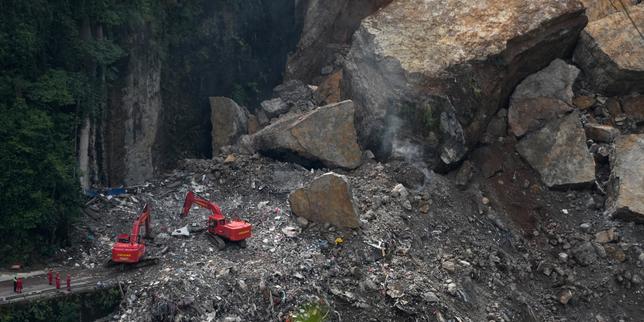
The mountain gave way without warning. Tons of rock and mud crashed down into residential streets, erasing homes along the riverbank in southwest China.
Rescue operations have now confirmed that the death toll from the catastrophic landslide in Chongqing has climbed to 51 victims. Weeks after the disaster first struck, recovery teams are still piecing together the scale of the tragedy.
The Human Toll and Identification Efforts
When disaster strikes densely populated mountain corridors, counting the missing is a grueling process. The initial chaos left dozens unaccounted for.
Authorities in the Pengshui district confirmed that 30 additional victims were identified late in July. This grim milestone was reached only after extensive DNA profiling and forensic examination of the remains recovered from the debris.
Families spent agonizing days waiting for news. Search crews had warned early on that the sheer volume of rubble offered little hope for finding survivors. More than ten residential buildings were completely flattened when the hillside collapsed on July 17, triggered by relentless downpours and severe weather systems moving through the region.
Why Chongqing and Mountain Regions Face Extreme Risks
Geography creates a permanent hazard in southwest China. Steep terrain paired with intense seasonal rainfall turns hillsides into ticking time bombs.
When water saturates the soil faster than it can drain, the internal friction holding mountain slopes together vanishes. Gravity takes over instantly. Entire sections of earth detach, sweeping away everything in their path.
In this specific case, rescue work faced massive hurdles. Heavy rocks blocked narrow access routes. Unstable slopes above the disaster zone threatened workers with secondary collapses. Specialized teams had to deploy heavy machinery, drones, and thermal life-detectors, occasionally resorting to controlled detonations just to clear paths safely.
A Wider Pattern of Seasonal Disasters
This catastrophe didn't happen in a vacuum. Extreme weather events continue to test infrastructure across China during the summer months.
Just weeks before the tragedy in Chongqing, a separate landslide in the northwestern province of Gansu buried dozens of people, claiming over twenty lives. Climate pressures and heavy downpours put immense stress on vulnerable hillside communities.
Local governments now face urgent questions about land management and early warning relocation protocols. Living beneath towering peaks means hazard mitigation must outpace rapid environmental shifts.
The recovery phase in Pengshui transitions now from emergency extraction to long-term community support. Families displaced by the wall of mud receive aid, while engineers inspect neighboring districts for hidden geological threats. Nature showed its destructive force once again, leaving a heavy mark on the region.