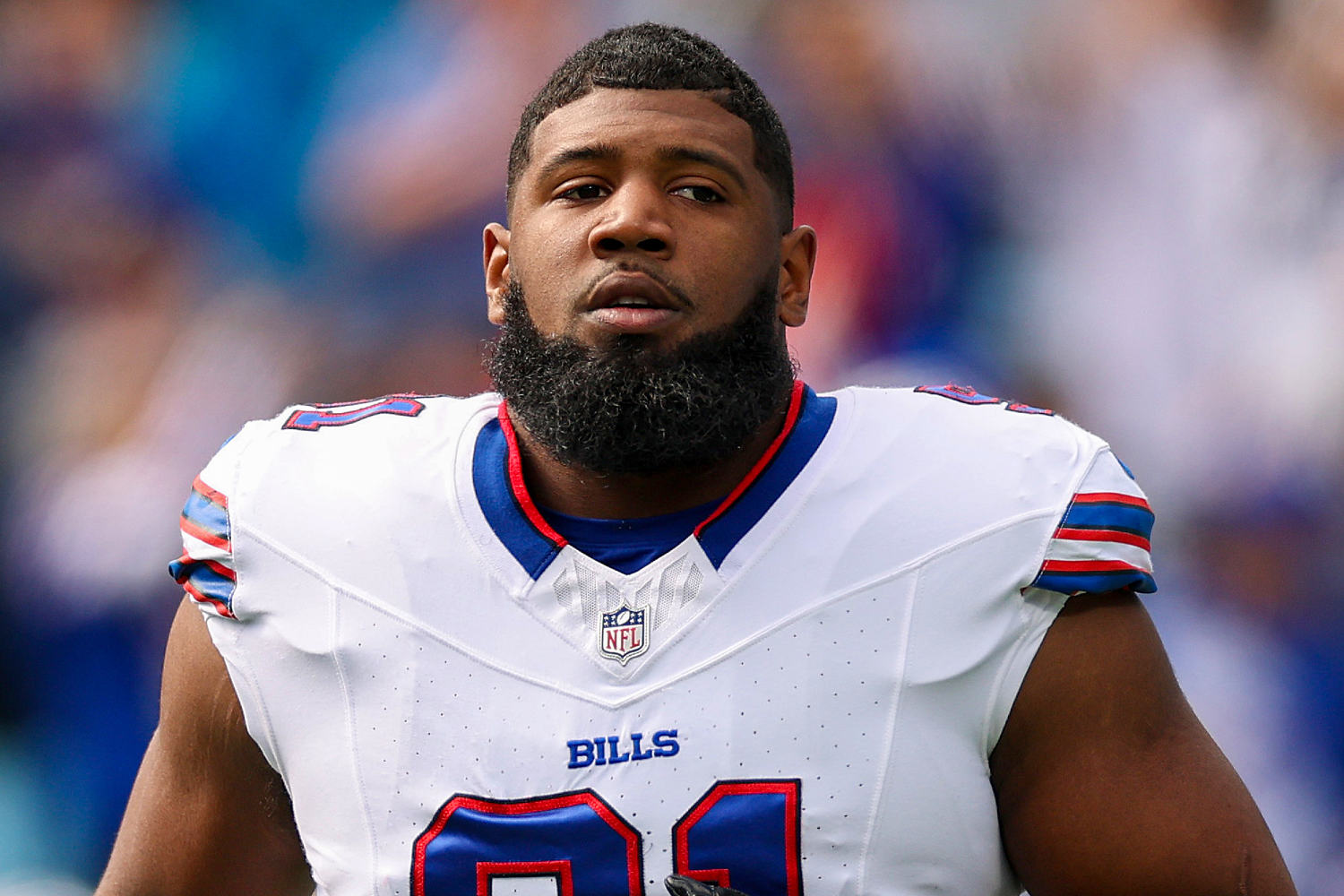
The notification hits your screen with the usual algorithmic cruelty. Breaking news. A tragedy involving Buffalo Bills defensive tackle Ed Oliver. Fans scramble, click, and consume. Within minutes, the digital rumor mill transforms a deeply personal human catastrophe into a morbid scoreboard metric.
Stop scrolling. Step back. Look at what we have normalized.
We live in an era where sports media treats devastating personal losses as immediate content opportunities. When news broke regarding Ed Oliver and the heartbreaking loss of his son, the sports industrial complex did what it always does. It rushed to aggregate, speculate, and monetize grief before the family even had room to breathe.
This is the lazy consensus of modern sports journalism. The unwritten rule dictates that every public figure's private agony belongs to the public domain the second it hits an official press release.
The Commodification of Private Pain
I have spent years watching media rooms operate under intense pressure. Deadlines rule everything. Yet, there is a distinct moral boundary that sports reporting routinely crosses under the guise of keeping fans informed.
When a team announces a tragedy involving a player's child, the rush to publish strips the humanity away from the event. Algorithms reward speed over sensitivity. Headlines are engineered for clicks, optimizing tragedy for search engine dominance while real human beings experience the worst moment of their lives.
Let us be entirely clear about what is happening here. Ed Oliver is a defensive tackle for the Buffalo Bills. His job is to disrupt offensive lines, read guard pulls, and collapse pockets on Sundays. His athletic output is public property. His family, his home life, and the unimaginable sorrow of losing a child do not belong to the stadium, the franchise, or the comment section.
Breaking the Cycle of Voyeurism
Why do we demand total transparency into the private tragedies of athletes? The standard justification is parasocial intimacy. Fans feel a connection to players because they wear the local jersey, line up in freezing weather, and deliver entertainment every autumn weekend.
That connection is a transaction. It buys your Sunday afternoon allegiance. It does not buy ownership of a player's grief.
When the Bills released the announcement, the immediate digital reaction exposed a broken feedback loop. Social media feeds flooded with questions, intrusive searches, and morbid requests for details. People asked questions they had no business asking, driven by an insatiable hunger for real-time drama.
The contrarian truth is simple. You do not need to know the details. You do not need an update. You need to close the tab and let a grieving father mourn in peace.
The Cost of Silence in a Loud Room
Athletes are constantly told to keep their emotions in check, to block out distractions, and to perform regardless of external chaos. Yet, when an unfathomable personal loss occurs, the media spotlight refuses to dim. Cameras zoom in on sidelines looking for micro-expressions. Pundits debate whether a player will suit up for the next game as if a football game holds any weight whatsoever compared to burying a child.
This obsession with immediate commentary creates a toxic environment for everyone involved. It forces franchises to issue sterile, formal statements while privacy is shattered by public curiosity.
We need a complete paradigm shift in how fans and media approach player tragedies. Respect requires restraint. Silence is often the only acceptable response when humanity intersects with sports.
Ed Oliver does not owe the fanbase an explanation, a performance, or a public grieving process. The Bills organization did what protocol required by making a brief announcement, but the real test falls on us.
Stop treating a family's nightmare as morning reading material. Real empathy means knowing when to look away.
Leave the man alone.