Golf courses take up a ridiculous amount of space. For decades, developers carved thousands of acres out of suburban and urban landscapes to build manicured turf that required intense irrigation, heavy chemical treatments, and vast amounts of water just to keep things green for a tiny fraction of the population. Then the economics shifted. Interest cooled, maintenance costs skyrocketed, and communities started wondering if those sprawling green deserts could serve a better purpose.
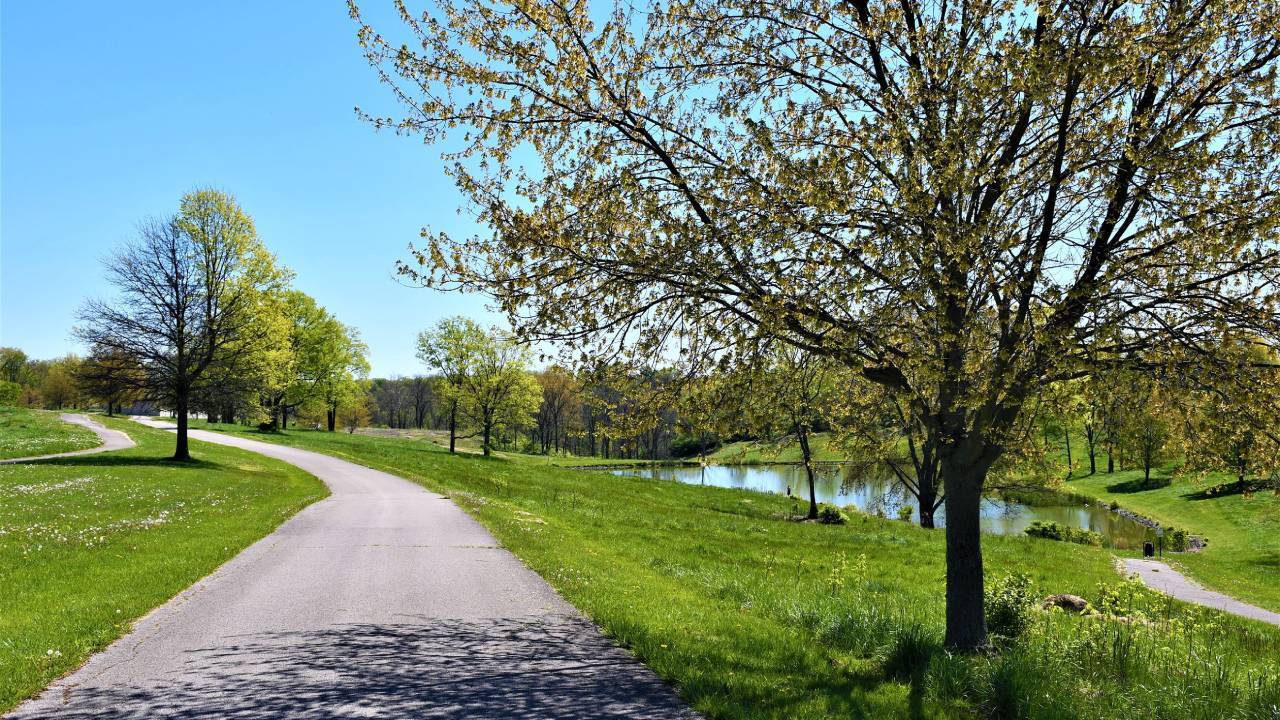
That is exactly what happened to a 225-acre Kentucky golf course that saw low turnout and eventual closure. Instead of letting the land sit idle or selling it off to build more cookie-cutter strip malls or luxury subdivisions, local planners made a smart choice. They are converting the entire property into a massive public park where seventy percent of the space will remain dedicated greenspace.
It is a blueprint other cities should copy immediately.
The Real Cost of Maintaining Underperforming Courses
Running a traditional golf course is expensive. You need specialized labor, constant fertilizer delivery, massive pesticide budgets, and pumps running constantly to keep fairways playable through dry summer months. When player counts drop, the math stops working fast. Private operators walk away, leaving local municipalities holding the bag on distressed properties that quickly turn into eyesores.
Let us be honest. Most communities do not need another private country club catering to a declining membership base. They need breathing room. They need tree canopies, walking trails, and natural habitats that absorb stormwater instead of shedding it onto nearby roads.
When a golf course fails, it represents a rare urban planning windfall. You get hundreds of acres of assembled land right where people live. You do not need to eminent-domain fifty different homeowners to build a park. The footprint is already cleared, graded, and mapped out.
What a 225-Acre Conversion Actually Looks Like
Turning a golf course into a park sounds simple, but nature does not just take over overnight. Golf architects shape earth dramatically, pushing dirt up into elevated greens, digging artificial ponds, and planting non-native turf grass that hates being ignored.
The Kentucky project avoids the mistake of trying to keep the manicured aesthetic alive. Instead, planners are leaning hard into ecological restoration.
- Native prairie grasses replace high-maintenance turf.
- Thousands of native hardwood trees go into the ground to build shade corridors.
- Existing irrigation infrastructure gets repurposed to support wetland restoration rather than watering Kentucky bluegrass.
- Paved cart paths transition seamlessly into multi-use loops for cyclists, runners, and dog walkers.
This approach slashes long-term municipal maintenance budgets. You do not have to mow a prairie every three days. You let it grow, burn it controlled-style every few years to keep woody brush down, and let local wildlife move back in. Deer, foxes, migratory birds, and pollinators find these spaces much faster than you think.
Why Neighborhoods Fight For Greenspace
Urban and suburban density keeps climbing. Backyards are shrinking. New housing developments feature lots where you can practically touch your neighbor's window through the side wall. In that environment, a massive 225-acre public park acts as an essential pressure valve for the entire region.
Property values near successful green space conversions regularly outperform those stuck next to abandoned commercial lots or dense industrial parks. People want access to nature within a ten-minute drive of their front door. They want a place to walk the dog without dodging traffic or paying a daily admission fee.
Golf had its golden era in the late twentieth century, but demographics change. Younger generations do not spend five hours chasing a little white ball on a Sunday afternoon with the same frequency as past generations. They prefer disc golf, mountain biking, trail running, or simply sitting under a tree with a book. Public parks accommodate all of those activities simultaneously, whereas a golf course serves exactly one user base.
How Other Cities Can Play Catch-Up
If you live in a town with a struggling local course, look at how this Kentucky project gained momentum. It took local leadership willing to say no to immediate real estate cash-outs in favor of long-term community health.
Developers always push for residential rezoning because the short-term tax revenue looks great on a spreadsheet. City councils need to push back. Once you pave over two hundred acres of contiguous green space, you never get it back.
Support local conservation groups. Attend zoning board meetings when property repurposing comes up. Point directly to successful large-scale conversions that prove parks generate immense economic value through tourism, community health, and neighborhood stabilization.
Stop treating land as a speculative commodity meant only for quick extraction. Give the dirt back to the public, plant the trees, and watch how quickly a community heals when it finally has room to breathe.