You can't throw the world's biggest party while locking the front door.
That's the harsh lesson hitting the United States right now as the 2026 FIFA World Cup kicks off. For years, soccer fans dreamed about this tournament spanning across North America. Instead, the reality on the ground feels less like a global celebration and more like a high-security border checkpoint.
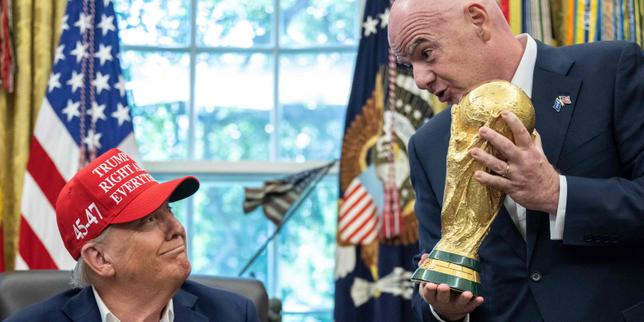
The second Trump administration's aggressive immigration policies are running head-first into the logistical nightmare of hosting millions of foreign visitors. While FIFA president Gianni Infantino spent months assuring everyone that visas wouldn't be an issue, the actual rollout has been messy, expensive, and outright hostile to the global soccer community.
From 39-country travel bans to ICE agents hovering around stadiums, the administration's nationalist agenda is clashing directly with what it takes to run a truly global event.
The Gatekeepers Stiff-Arming the Beautiful Game
If you want proof of how broken the system is, look no further than what happened at Miami International Airport this week. Omar Artan, one of Africa's top soccer referees and the only Somali official handpicked by FIFA for the tournament, arrived with a valid visa. Customs and Border Protection barred him from entering anyway. They cited vague "vetting concerns" and sent him right back to Istanbul.
Think about that. A referee officially vetted by the global governing body of soccer cannot even get past the airport because of his nationality.
It gets worse for the actual players and fans. The administration's current travel ban fully or partially blocks citizens from 39 nations. Four of those countries—Haiti, Iran, Ivory Coast, and Senegal—actually qualified for this 48-team tournament.
While the State Department rushed out a "sports exemption" for players, coaches, and staff, that grace doesn't extend to the people who make the tournament worth watching: the fans. If you're a soccer fan from Port-au-Prince or Tehran, you simply aren't allowed into American stadiums unless you hold dual citizenship elsewhere.
The $750 Pay-to-Play Visa Scheme
Even for fans living in countries not on the official banned list, getting into the United States has turned into an expensive bureaucratic joke. Consular wait times for a standard B1/B2 tourist visa have stretched past two years in some cities.
To "fix" this, the State Department just dropped a blatant cash-grab. They announced a pilot program allowing travelers to bypass the backlog for a casual $750 premium fee on top of the regular $185 application price.
Let's call this what it is: a wealth tax on sports fans.
If you are a working-class fan from South America or Europe who saved up for years to buy a match ticket, the U.S. government is essentially telling you to fork over an extra grand or stay home. Meanwhile, travelers from 50 other nations are being forced to post massive $15,000 visa bonds just to prove they won't overstay their welcome during the tournament. It completely sours the open, unifying spirit the World Cup is supposed to represent.
"Suited and Booted" ICE Agents at the Stadium Gates
The tension isn't just at the embassies; it's spilling right onto the pitch. Local organizing committees are sounding the alarm over the federal government's planned security presence. Official social media posts from federal agencies have bragged that immigration enforcement officers will be "suited and booted" at match venues.
This heavy-handed approach is already causing massive friction in host cities. In New York, local officials like Mayor Zohran Mamdani have openly blasted the administration's aggressive tactics, warning that looming ICE raids and aggressive ticketing checks will terrify immigrant communities and international tourists alike. Some local stadium workers have even threatened to strike if immigration agents set up checkpoints inside the venues.
Intelligence briefings shared by U.S. officials and FIFA show that this hard-line stance is backfiring. Instead of making the games safer, the heightened political tension and strict policing have actually increased the risk of civil unrest and protests outside the stadiums.
Moving Past the Chaos
If you're an international fan traveling to matches in Dallas, Los Angeles, Atlanta, or New York over the next month, you need to adjust your game plan immediately to navigate this hostile administrative landscape.
- Audit Your Transit Route: If you hold passports from any country facing visa pauses or restrictions, avoid layovers in U.S. airports even if your final destination is a match in Mexico or Canada.
- Carry Physical Documentation: Do not rely solely on digital copies of your match tickets or hotel bookings. Keep physical, printed proofs of your return flights, stadium purchases, and lodging to present to CBP officers who are conducting heightened phone and document screenings.
- Budget for the Fast Track: If you are still caught in the visa bottleneck for later knockout-stage matches, look into the State Department's newly launched expedited interview service. It costs an extra $750, but it guarantees an appointment within 10 days, bypassing the multi-year backlog.
The U.S. wanted the prestige of hosting the world's biggest sporting event, but it's refusing to act like a host. Treating international sports fans like security threats doesn't project strength—it just ruins the game for everyone else.