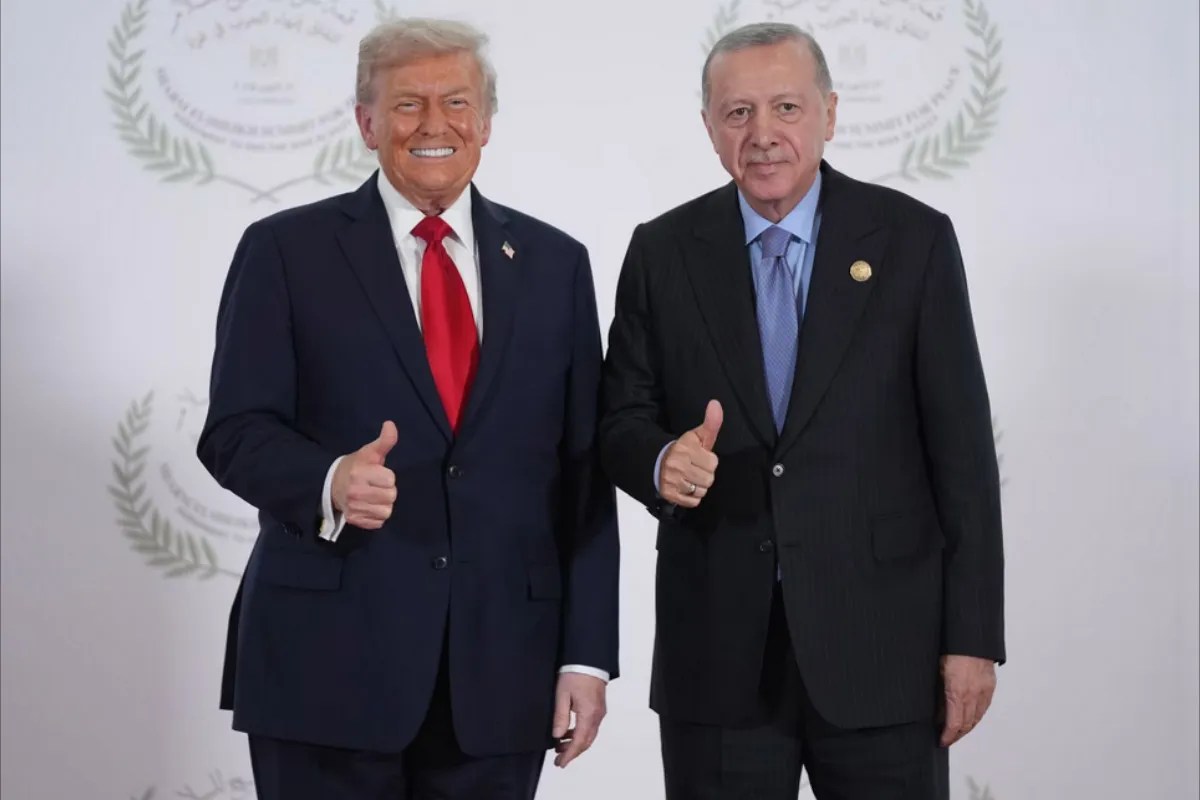
Geopolitics rarely operates on simple logic. When major allies clash over high-end military hardware, the shockwaves reshape regional security overnight. Right now, a quiet storm is brewing around advanced air power in the Middle East. Benjamin Netanyahu has voiced sharp opposition to Washington potentially sending elite F-35 stealth fighters to Ankara. Donald Trump has pushed back, highlighting stark strategic realities.
If you have been following defense updates, this standoff shouldn't surprise you. It exposes deep fractures in how Western powers manage regional deterrence, shaky alliances, and massive aerospace contracts.
Let's look at what is actually happening behind closed doors.
The F-35 Dilemma With Turkey
Turkey used to be a core partner in the Joint Strike Fighter program. Ankara didn't just buy planes; Turkish defense firms manufactured key structural components for the fifth-generation jet. Then came the purchase of the Russian S-400 missile defense system. Washington panicked.
Pentagon officials argued that radar frequencies from the S-400 could map the radar signature of the F-35, feeding sensitive stealth data straight back to Moscow. The US kicked Turkey out of the program fast. Billions were locked down. Sanctions hit.
Fast forward to the current climate. Ankara wants back in. Or at least, Turkey wants its financial stake returned or a modernized fleet of F-16s and alternative air superiority options.
Netanyahu sees an existential threat. Israel maintains a strict Qualitative Military Edge in the region. Jerusalem operates as the sole regional user of the F-35 Adir. Any move to introduce these invisible jets to a sometimes unpredictable neighbor triggers immediate alarm bells in Israeli security circles.
The Trump Factor and Realpolitik
Donald Trump approaches foreign policy through a transactional lens. He doesn't care much for diplomatic niceties. When Netanyahu raised objections regarding American military sales to Ankara, Trump's response cut straight to the bone.
Trump looks at defense manufacturing jobs, multi-billion-dollar export ledgers, and NATO cohesion. To him, freezing out major regional players drives them straight into the arms of competitors like Russia or China. Why let Beijing or Moscow cash in on defense deals if American contractors can secure the revenue?
This creates a brutal friction point. Israel relies heavily on American bipartisan support and strategic alignment. Yet, transactional leadership in Washington often prioritizes economic leverage and broad alliance management over local sensitivities.
Why Israel Takes This Personally
Air superiority is everything in modern Middle Eastern conflict doctrine. The F-35 isn't just a fighter plane. It's a flying supercomputer that shares real-time data across networked battlefields.
- Stealth capabilities: Radar systems struggle to track it.
- Sensor fusion: It sees threats before pilots even look at their dashboards.
- Regional monopoly: Israel used its Adir fleet to project power across contested borders with impunity.
If Ankara acquires similar tech, that tactical bubble pops. Israeli defense planners hate uncertainty. They remember when Turkish rhetoric turned sharply hostile over previous Gaza conflicts. Giving an assertive regional power fifth-generation stealth jets removes Israel's ultimate insurance policy.
The Broader NATO Calculus
NATO politics make this mess even messier. Washington needs Turkey. Ankara controls the Bosphorus straits, hosts vital air bases like Incirlik, and fields the second-largest standing army in the alliance.
Keeping Turkey inside the Western orbit requires throwing them a bone. Moscow and Beijing would love nothing more than a permanently estranged Turkey buying Sukhoi jets instead of Western hardware.
Trump understands this leverage game. He knows that pushing allies too hard breaks partnerships. Netanyahu knows that short-term diplomatic expediency can create long-term security nightmares. Both leaders are operating from entirely valid viewpoints, which makes a clean resolution nearly impossible.
What Happens Next on the Ground
Defense contracts of this magnitude take years to finalize. Bureaucracy moves slowly, even when executive loud voices dominate headlines.
Congress still holds veto power over major foreign arms sales through the Foreign Military Sales process. Lawmakers on Capitol Hill carry deep skepticism toward Ankara's foreign policy independent streaks. Even if the executive branch signals openness to renegotiate tech transfers, Capitol Hill roadblocks remain formidable.
Keep your eyes on upcoming defense summits and congressional committee hearings. Watch how Ankara adjusts its rhetoric toward Washington and Jerusalem. The diplomatic friction between these capitals is far from over. Strategic realities dictate that security compromises will be messy, loud, and entirely unpredictable.