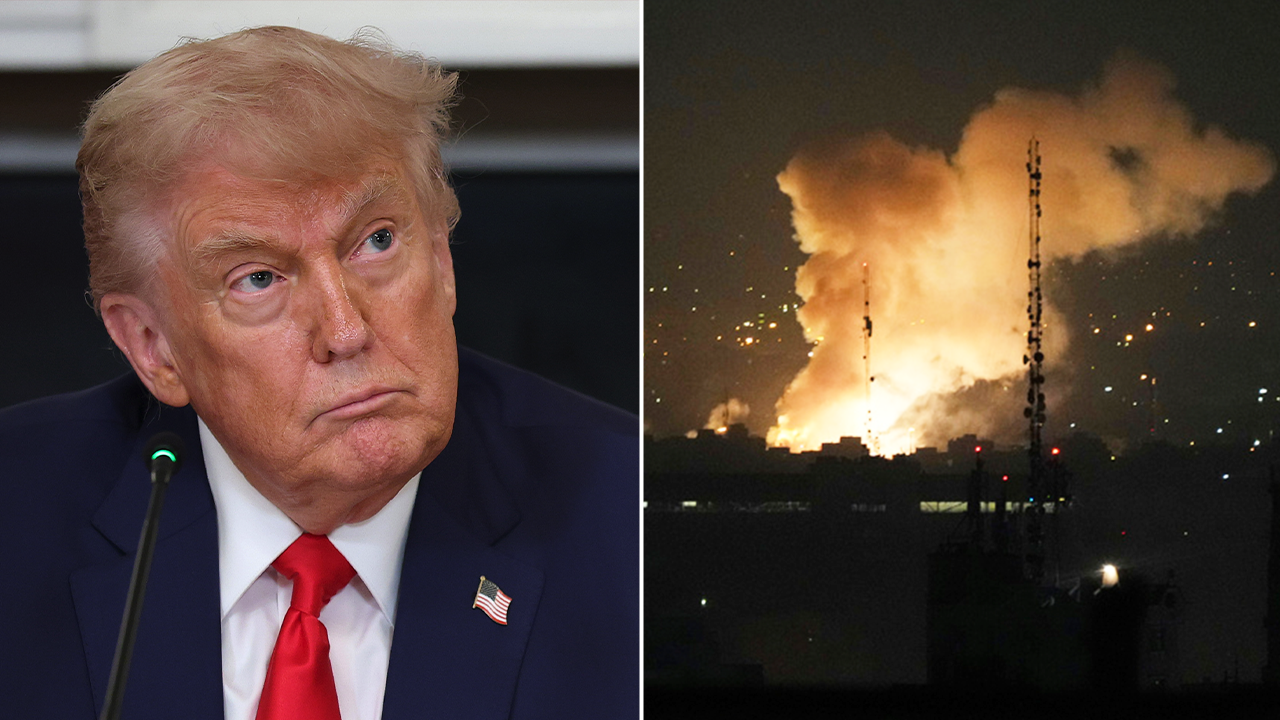
The gloves aren't just off; they've been tossed into the furnace. President Donald Trump just signaled a massive escalation in the ongoing conflict with Iran, and it’s not about hitting missile silos or hidden bunkers anymore. In a series of blunt social media posts late Thursday, April 2, 2026, he made it clear that the U.S. military is pivoting toward Iran’s civilian backbone. We’re talking about the bridges that connect their cities and the power plants that keep their lights on.
"The U.S. military hasn’t even started destroying what’s left in Iran," Trump wrote. He followed that up with a specific hit list: "Bridges next, then Electric Power Plants."
This isn't just tough talk. It’s a calculated squeeze on a regime that’s already reeling from a month of heavy bombardment. If you’ve been following the news, you know the U.S. and Israel launched this campaign back on February 28. But until now, the focus was largely on "decapitating" leadership and hitting military assets. By threatening the power grid, Trump is moving the target from the IRGC to the daily lives of every person in Iran.
The April 6 deadline and the Strait of Hormuz
Why is this happening at this exact moment? It’s all about the water. Specifically, the Strait of Hormuz.
Iran has been holding a metaphorical knife to the throat of the global economy by blocking this narrow waterway. About a fifth of the world's oil flows through here. Since the conflict started, gas prices in the U.S. have already spiked past $4 a gallon. Trump has set an unofficial "drop-dead" date of April 6 for Iran to reopen the strait "for business."
The logic is simple, if brutal. Iran's "New Regime" leadership—whoever is left after the chaos of the last few weeks—is trying to use the blockade as their only remaining leverage. Trump is essentially telling them that if they don't give up the strait, he'll take away their ability to function as a modern country. He's called it bringing them "back to the Stone Ages," and he wasn't joking.
Breaking the infrastructure to break the will
Hitting a bridge isn't just about stopping a tank. It’s about stopping food, medical supplies, and trade. When you hit a power plant, you don't just turn off the TV; you kill the water pumps, the hospital generators, and the refrigeration for what's left of the country’s food supply.
What’s already been hit
- The B1 Bridge: Reports from Iranian state TV confirmed strikes on the B1 bridge between Karaj and Tehran on Thursday. This bridge is a vital artery for the capital.
- Kharg Island: The U.S. has already hammered military positions on this island, which handles 90% of Iran's oil exports.
- Regional Fallout: In retaliation, Iran or its proxies have hit a desalination plant in Kuwait and targeted oil refineries in Israel.
The strategy here is "Total Pressure." Trump believes that by making the cost of defiance unbearable for the Iranian public, the remaining leadership will have no choice but to sign the "15-point proposal" he’s put on the table.
The legal and moral minefield
We can't ignore the elephant in the room: international law. Experts are already screaming "war crimes" from the rooftops. The 1949 Geneva Conventions are pretty specific about this. You’re not supposed to target "civilian objects" unless they're being used for military purposes.
Dozens of international law experts signed an open letter on April 2 warning that these strikes cross a line. But the administration's stance seems to be that if the infrastructure supports the regime's ability to wage war—or block the strait—it’s a fair game. It's a debate that won't be settled in a courtroom anytime soon; it's being settled with Tomahawk missiles.
What this means for your wallet and the world
If you're wondering how this affects you, look at the nearest gas station sign. Brent crude is sitting around $115 per barrel, up 60% since the war began. If Trump actually wipes out the Iranian power grid and the remaining oil terminals, don't expect those prices to drop. We're in a period of "dangerous volatility," as some analysts put it.
The next two to three weeks are going to be some of the most intense in modern military history. Trump’s "New Regime" claims are shaky—no one is even sure who’s actually in charge in Tehran right now. Dealing with a "decapitated" government is like trying to negotiate with a hive of bees after you've knocked the nest down.
What to watch for next
- The April 6 "Hormuz" Deadline: If the strait doesn't open, expect the "lights out" phase to begin in earnest.
- Ground Troops: Despite saying he doesn't want boots on the ground, thousands of Marines are already arriving in the region.
- NATO Friction: Watch for Trump to get even more aggressive with allies like Turkey or Spain that are blocking U.S. military flights.
Honestly, we're past the point of surgical strikes. This is an all-out effort to dismantle a nation's ability to exist as an industrial power. Whether it forces a deal or just creates a massive humanitarian vacuum is the gamble the White House is currently making. If you're looking for a quick exit from this conflict, you're probably going to be disappointed. We're in the "deep end" now.
Check out this video analysis of the current Middle East escalation to see a breakdown of the strategic importance of the infrastructure targets mentioned.
This video provides a tactical overview of why bridges and power plants are being prioritized in the latest round of threats and strikes.