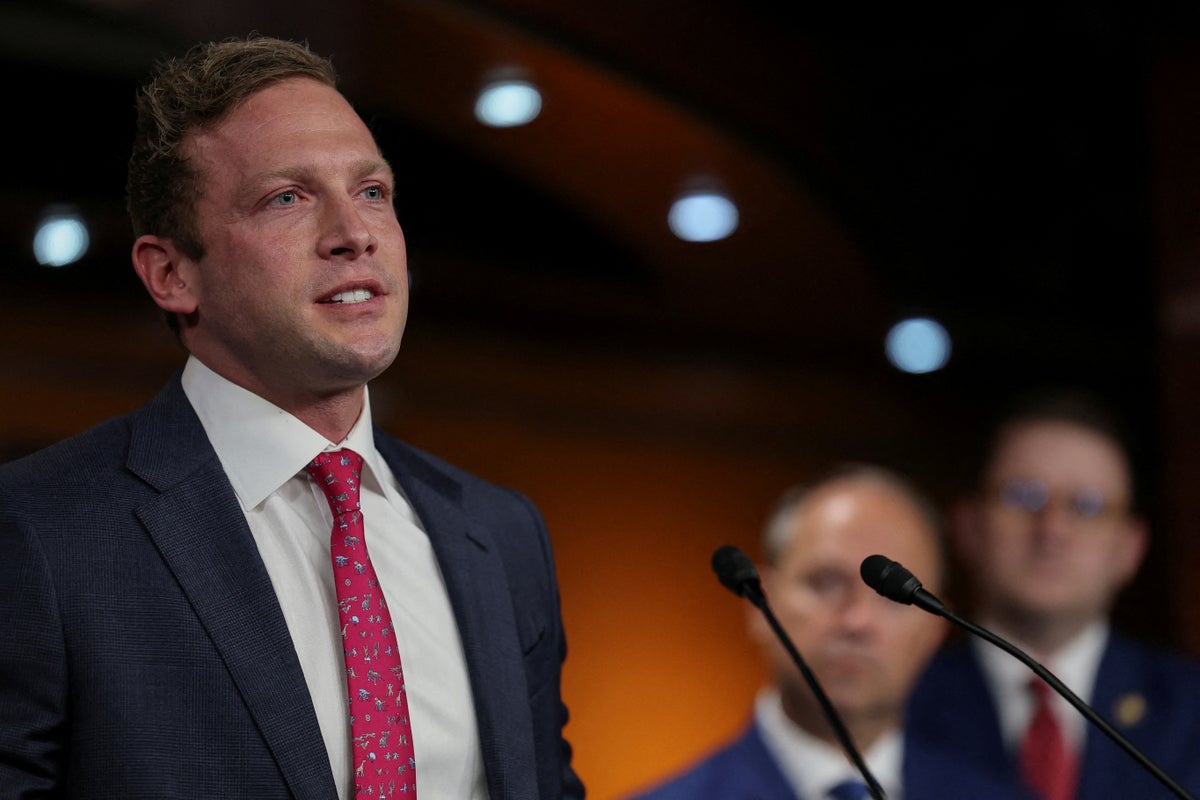
Party strategy in Washington often looks less like a principled crusade and more like damage control management. When Ohio Representative Max Miller faced severe domestic abuse allegations brought by his ex-wife, Emily Moreno—who is the daughter of Republican Senator Bernie Moreno—local and national GOP figures found themselves in a bind. Instead of pushing for a clean break, Trump allies quietly instructed other Republicans to back off and let voters sort the mess out.
The directive wasn't about defending behavior; it was about avoiding a messy messaging trap. Behind closed doors, party handlers realized that if prominent leaders spent weeks calling for Miller's resignation, defending him later in a competitive general election cycle would turn into an impossible hurdle.
The Pressure Cooker in Ohio Politics
The controversy erupted as details from bitter custody battles and police reports spilled into public view. Emily Moreno accused Miller of physical abuse, detailing severe incidents in court filings. Miller vehemently denied the accusations, calling them baseless attacks meant to influence family court proceedings.
Despite calls to exit the race before ballot-replacement deadlines, Miller dug his heels in. He pointed to internal polling and insisted he was staying put.
Senator Bernie Moreno took the unusual step of publicly declaring that his former son-in-law failed basic character standards and needed professional help. That public family feud thrust the district into the national spotlight, leaving local party officials caught in the crossfire.
Why Washington Chose Silence
When local operatives tried to figure out whether to force Miller off the ticket, the feedback from Trump's orbit was clear. Sources close to the discussions revealed that Trump officials told local players to stand down.
The logic boils down to political math and optics. If the establishment succeeded in pushing Miller out, it would create an immediate scramble to find and vet a replacement candidate under tight state deadlines. If they failed to push him out, a protracted civil war inside the state party would alienate donors and voters alike.
By telling Republicans to let the voters decide, the campaign structure deflected immediate responsibility. It keeps the focus off leadership desks and shifts the burden entirely onto the electorate in Ohio's 7th Congressional District.
Navigating the Fallout
For campaigns facing sudden personal scandals, the traditional playbook offers two choices: cut ties immediately or circle the wagons. The Trump team opted for a third path, which involves neutralizing internal party rebellion to keep the broader electoral map stable.
Miller continues his campaign, relying on existing campaign cash and maintaining that he will clear his name. Meanwhile, Democrats are seizing on the chaos to flip what was once considered a safely conservative seat.
Watch how local conservative turnout responds over the coming weeks. Pay attention to whether outside political action committees direct funds toward the district or treat it as a lost cause. The fallout from this strategy will determine if quiet containment works better than public confrontation.


