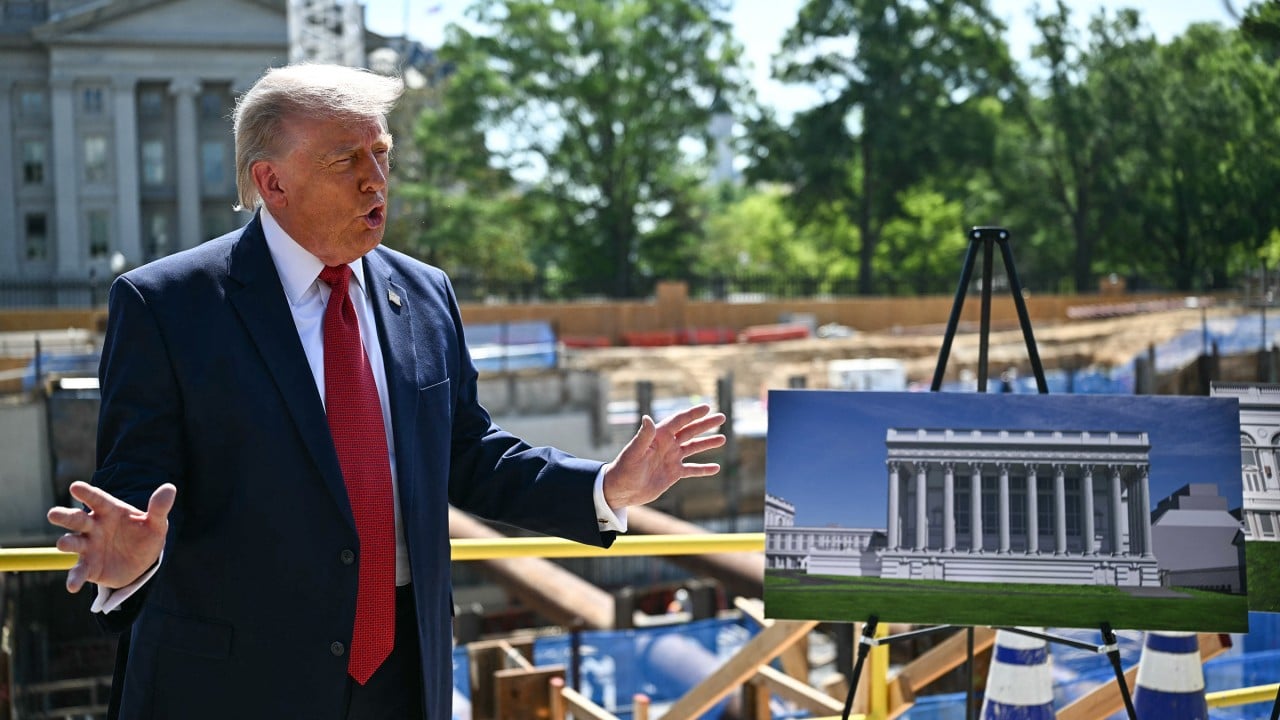
Donald Trump just put a quiet Gulf monarchy right in his crosshairs. During a phone interview with Fox News correspondent Trey Yingst, the U.S. President used an expletive to warn that Washington would bomb Oman if the nation interferes with the American naval blockade of Iran. That raw, unpolished threat caught diplomats off guard. After all, Oman has spent decades acting as the premier diplomatic backchannel between Washington and Tehran.
So why is the White House turning on a trusted regional mediator? The answer comes down to a bitter stalemate over the Strait of Hormuz and a collapsed diplomatic timeline.
The Breakdown of the Hormuz Stalemate
To understand the sudden hostility, you have to look at what's happening in the water. When the regional conflict kicked off, Iran effectively choked off commercial and military traffic through the Strait of Hormuz. This narrow waterway carries a massive share of global energy supplies. Trump responded by throwing up a U.S. naval blockade and insisting the strait remains under American control.
Yet, the 60-day window tied to an interim memorandum of understanding expired with zero comprehensive peace deals on the table. Washington claims there are no active talks happening with Tehran.
Instead, Oman stepped into the vacuum. Omani diplomats have spent weeks hashing out a provisional transit agreement directly with Iranian officials. According to statements out of Tehran, the two sides reached a working map for shipping lanes. The plan reportedly allows vessels to enter close to Iranian waters and exit near Omani territory.
Why Washington Hates the Oman-Iran Deal
The Trump administration views this bilateral arrangement as a direct threat to its maximum-pressure campaign. Regional officials note that the White House is furious about several components of the emerging deal.
First, Washington believes Oman isn't playing hardball. American strategists argue that Muscat is letting Tehran off the hook too easily. Second, the U.S. objects to proposed arrangements involving joint administration of exit routes and the collection of voluntary security and environmental fees by Oman from passing ships.
Trump wants total surrender and complete economic isolation for Iran. Any deal that allows commercial traffic to normalize under an independent regional framework undermines the leverage of the U.S. blockade.
Oman's Tightrope Walk
Oman finds itself in an impossible position. Geographically, it shares control of the Strait of Hormuz right across the water from Iran. Historically, the sultanate has maintained military cooperation agreements with the United States, granting access to strategic ports like Duqm and Salalah.
At the same time, Oman's foreign policy relies entirely on neutrality and backchannel diplomacy. When the U.S. demands that everyone fall in line, Muscat looks for a practical way to keep global trade moving and prevent total economic catastrophe in the Gulf.
Trump's harsh rhetoric signals a growing impatience with the limitations of military force. When blockades fail to force a quick collapse, frustration inevitably targets the countries trying to engineer compromises. As the dust settles on the expired diplomatic window, Oman's traditional mediating role is colliding head-on with an administration that has zero patience for neutral middle-ground solutions.

.jpg)

