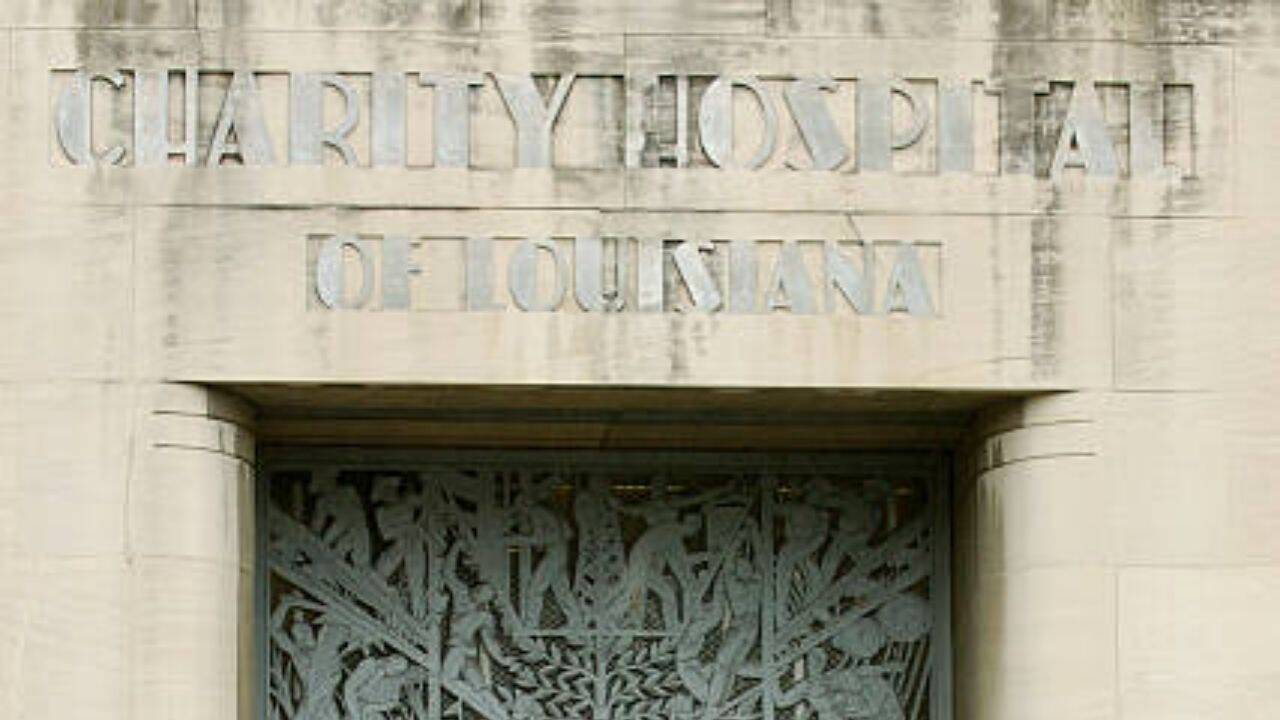
Charity Hospital did not just shut its doors when Katrina hit. It was murdered by politics, bled out by bureaucrats who decided that a beacon for the uninsured was an inconvenient eyesore in a rising real estate market. Two decades later, the celebratory press releases are rolling in. Half a billion dollars is converting the art deco monolith into a gleaming bio-innovation district. We are supposed to applaud. We are told this is a miraculous resurrection, turning a flooded ghost town into a gleaming engine of medical discovery.
It is a grift.
Strip away the glossy architectural renderings and the biotech buzzwords. What you are looking at is not a triumph of urban renewal. It is a monument to displacement. A public health safety net that once patched up the broken bodies of New Orleans' poorest residents is being scrubbed clean to incubate venture-backed startups and house laboratories for the elite.
The lazy consensus says any investment in a dead building is a good investment. That is garbage logic. When you pump five hundred million dollars into a structure while ignoring the fundamental healthcare desert surrounding it, you aren't fixing the city. You are pricing it out.
The Myth of the Biotech Savior
Urban planners love the innovation district model. The pitch sounds sophisticated on paper. You cluster academic researchers, venture capitalists, and biotech entrepreneurs into a single geographic footprint, spark some collision between disciplines, and watch high-paying jobs materialize out of thin air.
I have watched cities blow tens of millions on this exact script across the Rust Belt and the Sunbelt, and the script almost always ends the same way.
Charity Hospital was never meant to be an incubator for commercial patents. It was founded in 1736 by a French shipbuilder who wanted to ensure the indigent poor had a place to die with dignity and live with care. It belonged to the public. The new iteration belongs to the balance sheets of real estate developers and institutional tenants who pay rent by bleeding grant money and private capital.
When you convert a sprawling temple of charity into a high-end commercial bioscience hub, you shift the mission from healing the sick to harvesting intellectual property. The public subsidizes the brick-and-mortar rehabilitation through tax incentives and public-private partnerships, while the private sector reaps the equity upside.
Nobody wants to admit the dirty secret of modern medical real estate: shiny glass towers do not lower blood pressure in neighborhoods where fresh groceries are a three-bus-ride away.
Who Actually Gets Cured Here
Let us look at the data the boosters prefer to skip.
When Charity Hospital was forced out of operation after the 2005 storm, the city lost thousands of safety-net beds. University Medical Center eventually rose to take its place, but anyone who has spent ten minutes navigating that system knows the capacity crunch is a perpetual emergency. The poor of New Orleans did not need a wet lab for gene-sequencing startups. They needed primary care clinics, trauma stabilization points that aren't chronically understaffed, and mental health infrastructure that doesn't rely on police intervention.
Proponents argue that high-tech biomedical jobs will lift the entire local economy. Trickle-down municipal economics has been failing since the Reagan administration, yet we keep buying ticket stubs for the revival tour. A laboratory technician working on oncology therapeutics does not magically create a thriving ecosystem for the neighborhood cook, the domestic worker, or the musician who can no longer afford the property taxes on the block they grew up on.
Instead, the arrival of high-earning biomedical researchers triggers skyrocketing rents in Mid-City and downtown. It accelerates the exact demographic erasure that has hollowed out the cultural soul of New Orleans since the levee breaches. You save the building by killing the community.
The Real Estate Shell Game
To understand why this half-billion-dollar project happened at all, you have to follow the land titles and the tax credits.
For nearly twenty years, the massive art deco carcass sat vacant on Tulane Avenue. It became a political football. State officials and local developers bounced proposals back and forth like bad checks. Historic preservationists argued against demolition. Developers argued that retrofitting lead paint and asbestos remediation in a historic structure was financially unviable without aggressive public subsidies.
Enter the historic tax credit stack combined with tax increment financing.
Imagine a scenario where a private developer gets paid by the public to take over a public asset, slaps a hipster coffee shop on the ground floor, rents out office space to biotech firms at market rates, and calls it civic philanthropy. That is not urban recovery. That is a leveraged buyout of civic history.
The building itself is an architectural marvel. Designed by Weiss, Dreyfous and Seiferth and opened in 1939, it stands as a testament to public works ambition during the New Deal era. But preserving stone and concrete while stripping away the original democratic purpose of the institution is like taxidermy. You keep the skin intact, but the life is gone.
What Real Health Equity Looks Like
If we were genuinely serious about honoring the legacy of Charity Hospital, we would not be courting venture capitalists to lease square footage for genomic research. We would be decentralizing care.
True public health infrastructure is boring. It does not look good in a glossy architectural magazine. It looks like neighborhood clinics staffed with well-paid nurses who live down the street. It looks like mobile health units patrolling the Ninth Ward and the West Bank. It looks like subsidized pharmaceuticals and robust community mental health centers that actually catch people before they hit the criminal justice system.
Instead, we get a vertical campus designed to attract out-of-town talent and appease the commercial real estate lobby. We get a monument to venture capital disguised as public health progress.
The leaders cheering for this transformation want you to believe that progress requires a corporate partner. They want you to think that a public institution is inherently inefficient until private enterprise shows up to monetize the footprint.
They are wrong.
Charity Hospital was born out of a radical premise: that healthcare is a fundamental right, not a line item on a balance sheet. Turning its ghost into a playground for biotech speculators is not a comeback. It is a surrender.