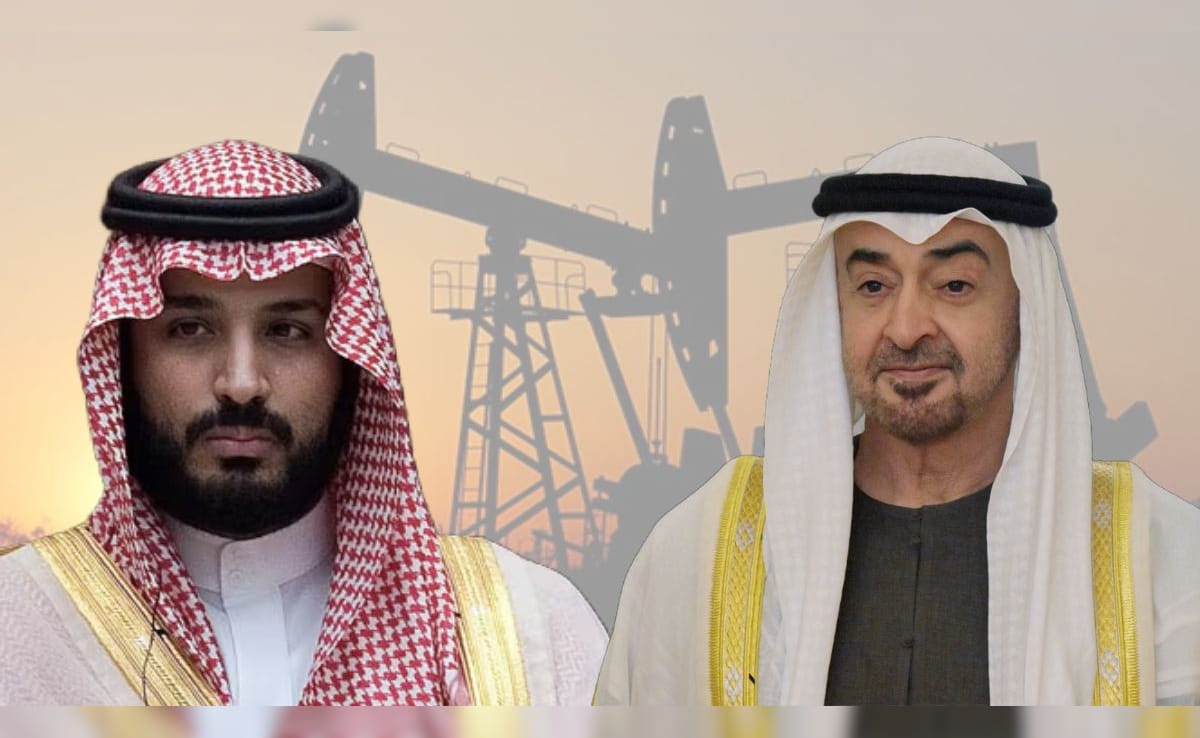
The "divorce" between the United Arab Emirates and OPEC isn't just about oil barrels or production quotas. It’s a loud, public declaration that the old ways of doing business in the Gulf are dead. For decades, the Gulf Cooperation Council (GCC) was a unified front where Saudi Arabia set the tempo and everyone else hummed along. Now, Abu Dhabi has effectively walked off the stage to start its own solo tour.
If you're looking at your portfolio or trade routes and wondering if this is a temporary spat, think again. This is the culmination of years of friction over where money should flow and who gets to be the region's top boss. While the media focuses on crude prices, the real story is the tectonic shift in how the UAE and Saudi Arabia compete for investment, tech supremacy, and logistics dominance.
The Oil Quota Breaking Point
Let's be real: the UAE has been frustrated for a long time. They’ve spent billions of dollars expanding their production capacity to 5 million barrels per day through ADNOC. Being told by a Saudi-led cartel that they have to keep that capacity sitting idle is like buying a Ferrari and being forced to drive it in a school zone.
By exiting OPEC and OPEC+, the UAE is finally letting that Ferrari hit the highway. In a world where "peak oil" is a looming deadline rather than a far-off theory, the UAE wants to sell as much as they can, as fast as they can, while the world is still buying. Saudi Arabia, conversely, needs high prices to fund its massive Vision 2030 projects. That’s a fundamental disagreement that no amount of diplomatic tea can fix.
Trade Ties Under Pressure
You might think a political rift would kill trade, but the numbers tell a more complicated story. In early 2026, bilateral trade between these two giants actually hit record highs. The UAE is the fifth-largest destination for Saudi exports, and we’re talking about everything from gold to consumer electronics.
But don't let the growth fool you. The nature of that trade is changing. Saudi Arabia is no longer content being the UAE's biggest customer; they want to be the UAE's biggest rival.
- Port Wars: Most Saudi-bound goods currently flow through Dubai’s Jebel Ali. Riyadh is pouring billions into Dammam and Jeddah to bypass the UAE entirely.
- Headquarter Mandates: Saudi Arabia’s "Project HQ" — which forces global companies to move their regional bases to Riyadh if they want government contracts — was a direct shot at Dubai’s lunch.
- Customs Spats: We’ve already seen Saudi Arabia tighten rules on "Made in UAE" goods that aren't produced with enough local labor. Expect more "red tape" to appear at the borders as a quiet form of leverage.
The Investment Tug of War
If you're an investor, you're now looking at two very different products.
The UAE is positioning itself as the "Singapore of the Middle East" — a neutral, high-tech, highly efficient hub that has normalized ties with Israel and maintains a deep security partnership with Washington. They’re betting on agility. They’re signing bilateral trade deals with everyone from India to Turkey, skipping the slow GCC-wide negotiations to get ahead.
Saudi Arabia is the "Giga-Project" play. It’s bigger, riskier, and more ambitious. They have the sheer scale that the UAE lacks, but they’re also more vulnerable to regional instability. The UAE's OPEC exit is a signal to global markets: "We are a sovereign economic entity, not a subsidiary of the Saudi vision."
What This Means for Your Business
If you’re operating in the region, the "neutral" ground is shrinking. For years, you could run a regional office in Dubai and service the Saudi market with zero friction. That’s getting harder. You now have to navigate two distinct regulatory environments that are increasingly designed to compete with each other rather than complement.
- Dual Presence is Mandatory: You can't just "do Saudi" from Dubai anymore. If you want the big Saudi contracts, you need skin in the game in Riyadh.
- Watch the Logistics: Diversify your supply chain. If tension spikes, the land borders and the Strait of Hormuz could become bottlenecks.
- Currency and Stability: Both currencies remain pegged to the dollar, which provides a floor for stability, but watch for any shifts in how they manage their sovereign wealth funds. They are no longer coordinating their moves.
A New Era of Competition
Honestly, the "solidarity" of the Gulf was always a bit of a myth maintained for the sake of the West. What we're seeing now is just honesty. The UAE is a middle power that has outgrown its neighborhood association. They want to set their own prices, pick their own allies, and build their own future.
Saudi Arabia will likely respond by doubling down on its domestic requirements and potentially using its massive market size to squeeze companies that favor the UAE. This isn't a "war," but it is a high-stakes game of economic poker. The UAE just went all-in on its independence.
If you’ve been waiting for things to "go back to normal," stop. This is the new normal. The two most powerful economies in the Arab world are now officially competitors. For anyone doing business there, that means more opportunities, but a lot more complexity. You'll need to be as agile as Abu Dhabi to stay ahead of the curve.
Understanding the UAE and Saudi Economic Rivalry
This video provides a deep dive into the historical and current tensions between the two nations, explaining why the oil dispute is only the tip of the iceberg in their broader struggle for regional leadership.