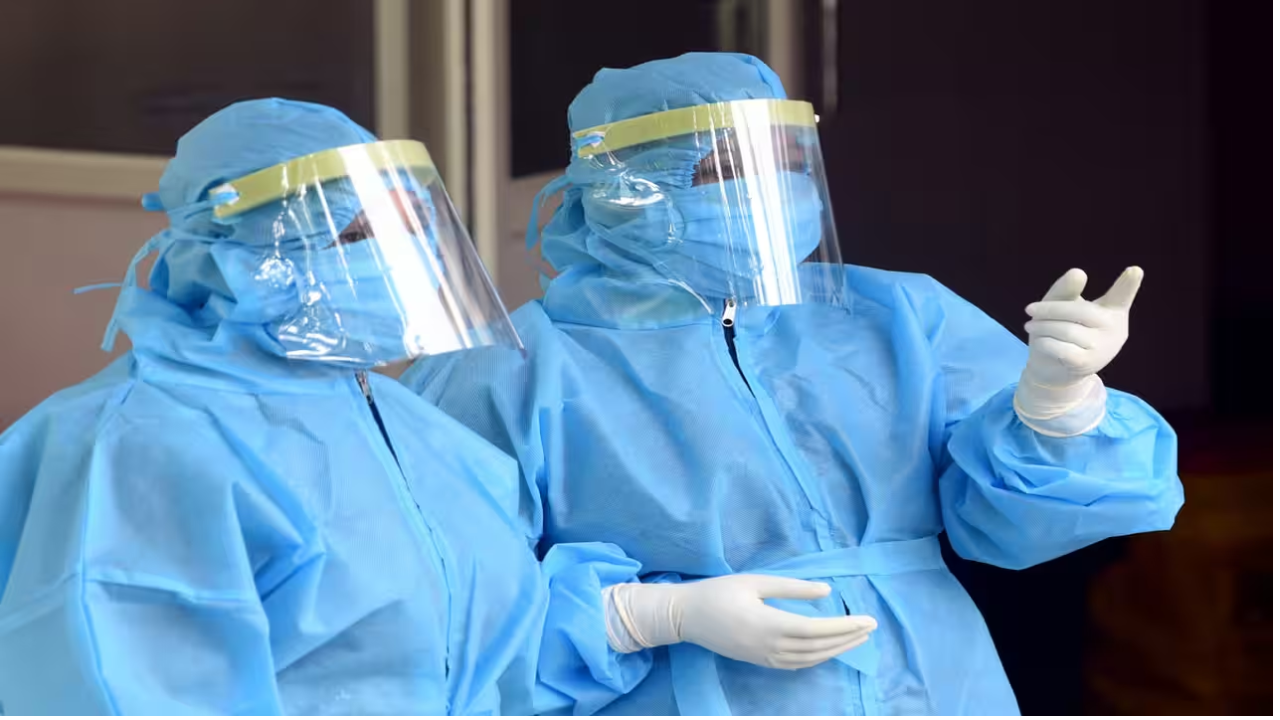
You don't need a degree in public finance to know that flushing £9.9 billion down the drain is a catastrophe.
But that is exactly what the UK government managed to do during the pandemic, according to the damning fifth report from the official Covid-19 inquiry chaired by Baroness Heather Hallett. We are talking about two-thirds of the total £14.9 billion spent on Personal Protective Equipment (PPE) literally written off as useless, overpriced, or expired.
It is easy to look back with hindsight and shout about incompetence. The reality, though, is a mix of systemic rot, panicked decisions, and an emergency procurement system that crumbled the second pressure was applied. This is how a modern state managed to lose nearly £10 billion on plastic gowns and face masks.
The Illusions of Being Prepared
Before the pandemic hit, officials confidently believed the UK was a global leader in health emergency preparedness. That belief was a complete fantasy.
The inquiry found that when Covid-19 actually arrived, England’s pre-pandemic stockpiles were in a "perilous state". Only a third of the masks in England's inventory were actually usable. Many had expired. Over in Scotland, there were literally zero supplies of the high-grade FFP3 masks desperately needed by frontline healthcare workers.
Because the stockpile was a disaster, the UK was immediately forced onto the defensive. Government officials were shoved into a hyper-competitive, chaotic global scramble to buy protective gear from whatever suppliers they could find.
Instead of a controlled distribution plan, England's GP surgeries, pharmacies, and care homes were basically left to fend for themselves. This lack of centralized readiness meant buying power was fractured, and local healthcare workers were left exposed.
How a Call to Arms Caused Total Chaos
In April 2020, then-Prime Minister Boris Johnson and Health Secretary Matt Hancock issued a public "call to arms," begging any business that could source or manufacture PPE to step forward.
It sounded great on television. In practice, it broke the system.
The civil service procurement teams were instantly "deluged". Over just 15 weeks, the government received 25,000 separate offers of PPE—sometimes peaking at over 300 offers a day.
Officials told the inquiry that this public appeal actually "made matters worse". There was no effective system to filter or triage these applications. Because of the extreme urgency, the time available to perform standard due diligence on these unknown suppliers was slashed to as little as four hours in some cases. This panicked environment was a goldmine for middlemen who lacked any real manufacturing experience but saw an opportunity to pocket massive commissions.
The Infamous VIP Lane
Nothing damaged public trust quite like the High Priority Lane—colloquially known as the "VIP lane".
This fast-track pathway allowed ministers, MPs, peers, and senior officials to refer PPE suppliers directly to the buying teams. Baroness Hallett did not hold back here. She called the VIP lane a "misguided" process that "embedded unfairness in emergency procurement".
If you had a political connection, you were far more likely to get a contract. Unsurprisingly, these fast-tracked VIP contracts turned out to be significantly more expensive and suffered from far more performance and quality issues than the contracts awarded through normal channels.
Now, the inquiry did make a point to clarify one thing: there was "no evidence of cronyism or corruption on the part of ministers or officials" when the final contracts were signed. But the structure of the system itself was inherently biased toward those with political connections. Even if individuals didn't set out to commit crimes, the setup invited abuse, wrecked public confidence, and led to a massive waste of public money.
While billions went down the drain, the scale of fraud remains largely unprosecuted. The UK government estimates that £256 million was lost purely to PPE fraud. Yet, the ongoing criminal investigation into PPE Medpro—which was ordered to repay £148 million for allegedly breaching a contract—is currently the only criminal process of its kind happening in the entire country.
The Price of Bad Planning
You might wonder why we are still talking about this. The reason is simple: emergency preparedness is not about hoping for the best. It's about designing systems that don't shatter the moment a crisis occurs.
We cannot afford to repeat these mistakes. Baroness Hallett's report put forward 11 distinct recommendations designed to overhaul the UK's emergency response systems. The focus must now shift to building resilient, transparent, and decentralized supply chains.
First, future emergency procurement must completely ban "VIP lanes" or any system that prioritizes political contacts over commercial capability. Professional procurement teams need clear, pre-established triaging processes so they are never again blinded by a flood of unchecked public offers.
Second, national stockpiles must be actively managed, rotated, and audited regularly so that we never face a crisis with expired and unusable gear.
Yes, building and maintaining these robust supply systems requires continuous financial investment. But as the inquiry rightly concluded, that cost is incredibly small compared to the human and economic toll of trying to buy our way out of a crisis at the very last second.
If you want to understand just how bad the chaotic scramble for protective equipment got, this ITV News broadcast on the PPE inquiry lays out the exact breakdown of the multi-billion pound loss.

