The headlines are screaming about a "lasting price shock." Federal Reserve officials are lining up at microphones to warn that a conflict with Iran will send oil through the roof and derail the "soft landing." It is a convenient narrative. It is also a lie.
Central bankers love a good war. It provides the perfect geopolitical cloak for their own monetary failures. When the Federal Reserve warns that an external shock might keep inflation "sticky," they are preemptively blaming a missile in the Strait of Hormuz for the damage they did with a printing press in Washington.
The consensus view—the one being peddled by the "Top Fed official" in your news feed—is that energy prices drive inflation. This is fundamentally backward. Energy prices are a component of the Consumer Price Index (CPI), but they do not cause the systemic, long-term devaluation of currency that we call inflation. Inflation is, and always has been, a monetary phenomenon.
The Crude Myth of Energy-Driven Inflation
Most analysts treat oil as the "master variable" of the economy. They argue that if oil hits $120 a barrel because of a blockade, the cost of everything from shipping to plastics rises, forcing the Fed to keep rates high.
This logic is flawed because it confuses a change in relative prices with an increase in the general price level.
If the price of oil spikes, people have less money to spend on Netflix subscriptions, organic kale, and overpriced sneakers. Demand for those other goods drops, and their prices should, in a stable monetary environment, soften. The total amount of money in the system hasn’t changed; it’s just being reallocated to pay the gas bill.
True "lasting" inflation only occurs when the central bank decides to "accommodate" those higher energy prices by keeping the money spigot open so consumers can afford the oil and the kale. If the Fed is worried about a "lasting" shock, they aren't worried about Iran. They are worried about their own inability to stop subsidizing the economy.
The Strait of Hormuz is a Red Herring
Let’s look at the data. I have spent years watching markets react to Middle Eastern saber-rattling. Every time a tanker is seized or a drone is downed, the "experts" predict a permanent shift in the global inflation regime.
It never happens.
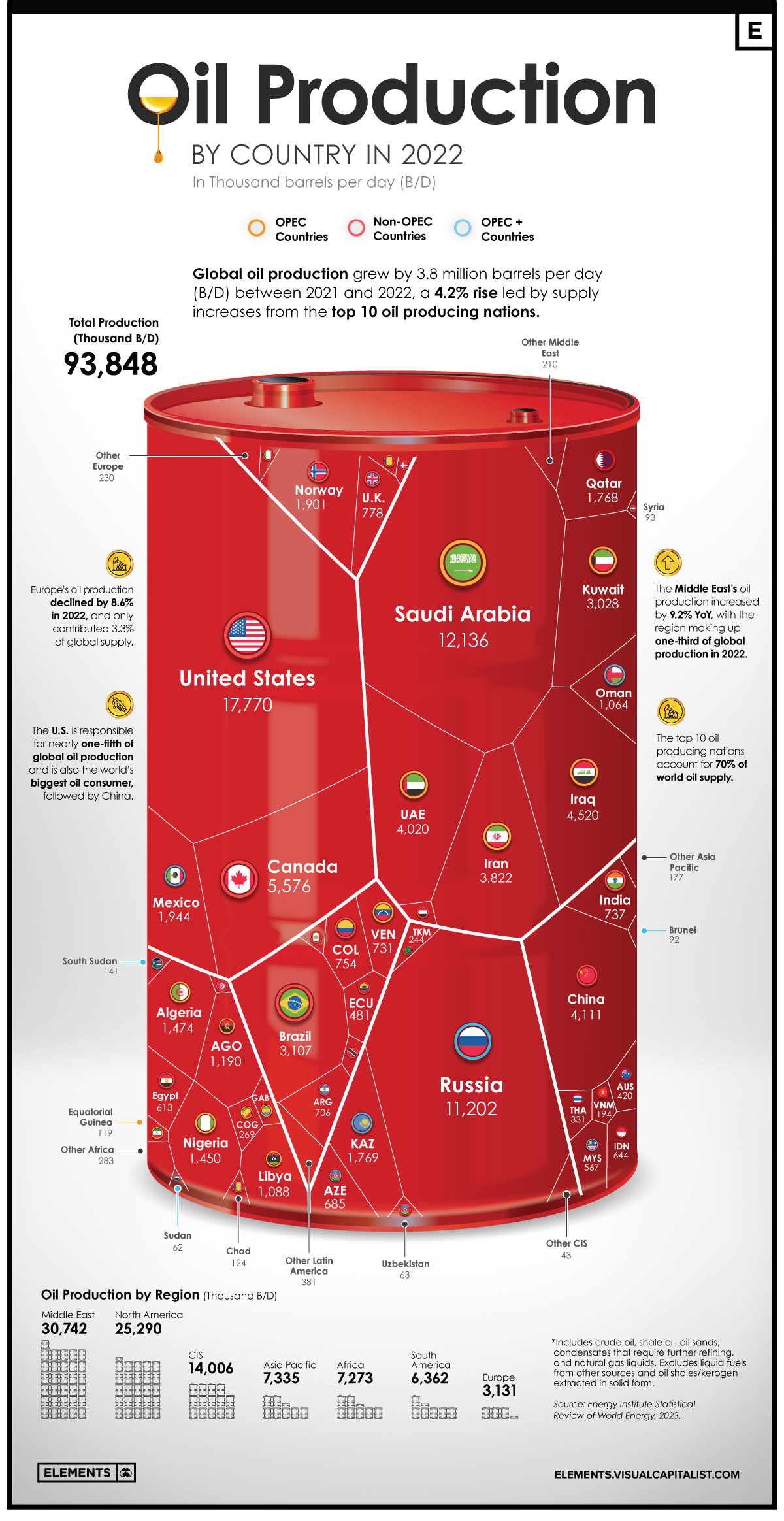
- US Energy Independence: The US is currently the world’s largest producer of crude oil. In the 1970s, an OPEC embargo was a death blow. In 2026, it’s a localized headache.
- Strategic Reserves: Despite political posturing about empty reserves, global stocks remain a massive buffer against short-term supply disruptions.
- Demand Destruction: High prices are the cure for high prices. The moment oil sustains a price above $100, global consumption patterns shift instantly.
The Fed knows this. So why the warning? Because it builds a "bridge" for their next pivot. If the economy starts to crater under the weight of high interest rates, they need a reason to cut that doesn't look like they are surrendering to the market. Conversely, if inflation stays high because they failed to tighten enough in 2024, they need a villain. Iran fits the bill.
Why the Fed Needs a Villain
The Federal Reserve operates on "forward guidance," which is a polite term for psychological warfare. They manage expectations rather than reality.
By shouting about Iran, they are doing two things:
- Anchoring Expectations: They are telling you to expect high prices, so when you see them, you don't blame the Fed’s balance sheet.
- Creating Optionality: If they need to hike rates again, they blame "geopolitical volatility." If they need to cut, they claim they are "providing liquidity during a global crisis."
I’ve seen this play out in boardrooms for twenty years. When a CEO misses their earnings target, they don't say, "I managed the company poorly." They say, "Headwinds in the macro environment caused unavoidable friction." The Fed is just a CEO with a printing press and better PR.
The $100 Trillion Debt Problem
The real "lasting shock" isn't coming from a regional war. It’s coming from the fiscal insanity of the US government.
While the Fed warns about Iran, the US Treasury is issuing debt at a pace that makes the 2008 crisis look like a lemonade stand. We are currently adding $1 trillion to the national debt every 100 days.
The interest payments alone are now more expensive than the entire defense budget.
$$Interest \space Expense > Defense \space Spending$$
This is the math of a collapsing currency. To keep the government solvent, the Fed will eventually have to monetize this debt. They will have to buy the bonds that no one else wants. That is how you get hyperinflation. Not because of a war in the Middle East, but because the math of the US Treasury no longer works without a devalued dollar.
A war in Iran would be a tragic, messy affair. It would certainly cause a temporary spike in Brent crude. But it would be a "blip" on a long-term chart. The "lasting shock" is the structural deficit that the Fed is desperately trying to distract you from.
Stop Asking About Oil and Start Asking About Liquidity
People always ask: "What will happen to my portfolio if war breaks out?"
They are asking the wrong question. They are worried about the "supply shock." They should be worried about the "liquidity trap."
In a true war scenario, the Fed doesn't tighten; it eases. It has to. It needs to ensure that the Treasury can fund the war effort. This means that even if oil goes up, the Fed will likely stop its quantitative tightening (QT) program. They will flood the system with dollars to keep the gears turning.
If you want to protect your wealth, you don't bet on oil stocks. You bet against the Fed’s ability to remain "hawkish" in the face of conflict.
The Brutal Truth About "Price Stability"
The Fed's mandate is "price stability." They define this as 2% inflation.
Think about how insane that is. They are literally telling you that their goal is to make your money worth 2% less every single year. Over a thirty-year career, they want to steal half of your purchasing power. And that’s when they are succeeding.
When they fail—as they have for the last several years—they blame external factors.
- It was "Transitory."
- It was "Supply Chain Bottlenecks."
- It was "Putin’s Price Hike."
- Now, it’s "Iran’s War Shock."
It is never the $5 trillion they injected into the economy. It is never the fact that the M2 money supply exploded at a rate unseen since World War II.
How to Actually Position Your Capital
Ignore the Fed officials. They are politicians in suits who happen to understand basis points. They are not your friends, and they are not objective observers.
- Watch the Yield Curve, Not the Oil Ticker: The bond market is smarter than the Fed. If the 2-year and 10-year yields are screaming, pay attention. That is where the real "lasting shock" is priced in.
- Hard Assets are Non-Negotiable: In a world where central banks use war as a cover for debasement, you need assets that cannot be printed. Gold, Bitcoin, and productive land. Everything else is just a claim on a depreciating fiat currency.
- Understand the "Escalation Premium": The market usually overprices the initial shock of war and underprices the long-term inflationary response of the central bank. Buy the panic, but realize the real profit comes from the Fed’s inevitable "emergency" response.
The Fed's warning isn't a forecast. It’s a confession. They know they can’t control inflation because they are the ones creating it. Iran is just the latest ghost they are using to haunt the markets while they pick your pocket.
If you are waiting for a "return to normal," you are already broke. The "lasting shock" has been here since 1913. The war just makes for a better headline.
Stop falling for the distraction. The call is coming from inside the house.
The Fed isn't worried about the war. They are praying for it.
Buy the volatility. Sell the Fed's lies.
The next time a "Top official" warns you about energy prices, check your wallet. They’re already reaching for it.
End of story.