The steel handcuffs did not fit. They slipped down past his wrists, clinking against his small knuckles every time he shifted his weight on the wooden bench. He is eleven. At eleven, the human brain is still mapping out the boundaries of cause and effect. At eleven, a boy should be worrying about schoolyard rivalries, cricket scores in the dusty alleyways of Karachi, or whether his mother will scold him for tearing his shirt.
Instead, this boy sits in the shadow of a number. Seventy-two.
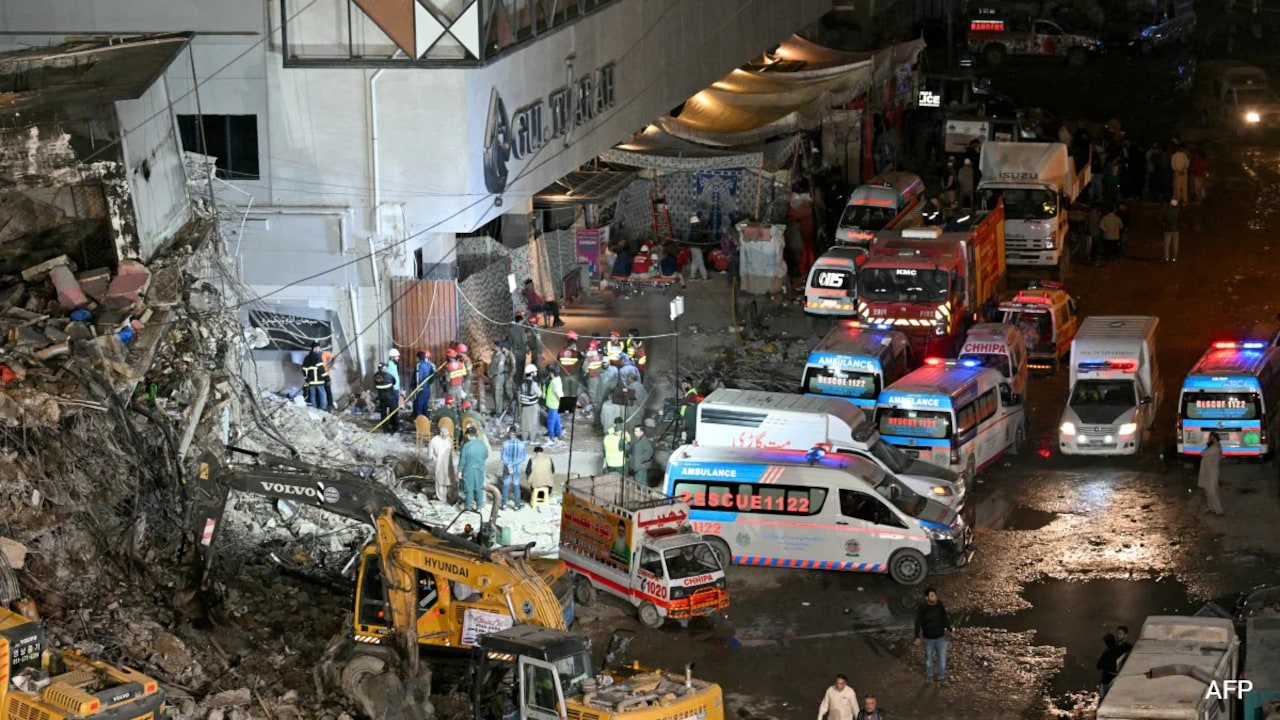
That is the body count left behind after a catastrophic fire tore through a crowded multi-story shopping plaza. It took mere minutes for the concrete structure to become an oven. Seventy-two lives evaporated in smoke, screams, and the terrible, blinding heat of a building trap. Now, the state of Pakistan has decided that the primary shoulders bearing the weight of this monumental tragedy belong to a child who barely reaches the chest of the police officers guarding him.
He is heading to trial. Not a juvenile hearing meant for rehabilitation, but a full-fledged legal crucible where he stands accused of actions that led to mass slaughter.
To look at this case is to stare directly into a profound societal fracture. It forces us to ask a terrifying question: when a disaster of historic proportions occurs, do we seek true justice, or do we simply search for the easiest throat to choke?
The Anatomy of an Inferno
Disasters do not happen in a vacuum. They are built brick by brick, omission by omission, over years of quiet neglect.
To understand how an eleven-year-old found himself at the center of a national tragedy, we have to look at the environment where the spark met the fuel. Consider a typical commercial hub in a densely populated Pakistani metropolitan area. These plazas are maze-like structures. They are packed to the ceiling with synthetic fabrics, cheap plastics, exposed electrical wiring, and generators chugging diesel fuel to combat the constant blackouts. They are economic lifelines for thousands of small-time traders, but they are also tinderboxes waiting for a match.
The official investigation points to a sequence of events where the boy allegedly triggered the ignition. Perhaps it was a discarded match, a reckless prank, or an assigned chore involving a faulty appliance that went horribly wrong. The prosecution intends to prove he possessed the intent or the criminal negligence required to stand trial for the destruction.
But look closer at the architecture of the catastrophe.
When the fire broke out, the building did not protect its occupants. The emergency exits were locked to prevent shoplifting. The fire extinguishers on the walls were empty shells, long past their expiration dates, kept only to satisfy the bare minimum of corrupt inspectors. The stairwells, which should have been sanctuaries of escape, were choked with overstock boxes and garbage.
When the smoke began to billow, the people inside were already doomed. They were doomed not because a child made a mistake, but because the adults who built, managed, and regulated the plaza had spent a generation gambling with human lives to maximize their profit margins.
The boy may have held the spark. But society built the bomb.
The Mirage of the Juvenile Mind
The legal battle ahead centers on a concept that lawyers call doli incapax—the presumption that a child under a certain age cannot form the criminal intent to commit a serious crime. In many legal systems, eleven is the absolute razor's edge. It is the boundary line where courts try to determine if a child truly understands the finality of death and the scale of destruction.
Let us step away from the legal terminology for a moment. Consider what it means to be eleven in an impoverished urban neighborhood. Survival often means working before you can read. It means running errands for older men, carrying tea, clearing trash, and operating machinery that would be restricted in other parts of the world.
Children in these environments are forced to act like adults, yet they possess the emotional tools of toddlers. They understand that fire burns. They do not understand how a small flame in a corner can interact with cheap polyurethane foam insulation to create a toxic gas cloud that suffocates three floors of people in less than ninety seconds.
During preliminary questioning, the boy reportedly cried for his mother. He asked when he could go home. He did not ask about bail, or defense strategies, or the penal code. The sheer scale of seventy-two fatalities is an abstraction to a mind that is still developing. You can explain the number to him a thousand times, but to an eleven-year-old, seventy-two is just a massive, terrifying wall of noise.
The prosecution faces a steep climb to prove that this child possessed the malice or the calculated recklessness required for a conviction of this magnitude. Yet, the pressure to push forward is immense. The public is furious. Grief is a volatile emotion, and when it consumes a community, it demands a target.
The Families Left in the Ashes
To walk through the aftermath of the plaza fire is to encounter a quiet, suffocating grief. Seventy-two families were shattered in a single afternoon.
There is the story of a father who lost three daughters who had gone to the plaza to buy wedding clothes. There is the young shopkeeper who had just invested his life savings into a electronics stall, only to perish alongside his younger brother. These are real, visceral losses. The anger vibrating through the community is entirely justified. People want answers. They want heads to roll.
But the real problem lies elsewhere.
If the state locks this boy away for the rest of his natural life, does it bring back a single daughter? Does it fix the thousands of other commercial buildings across the country that currently operate under the exact same deadly conditions?
The danger of focusing entirely on a single child scapegoat is that it grants a free pass to the systemic actors who created the vulnerability. The developers who ignored zoning laws remain free. The municipal inspectors who took bribes to look the other way continue to collect their salaries. The building owners who chained the emergency fire doors shut are hiding behind expensive legal teams, watching quietly as the public focus shifts entirely toward an impoverished eleven-year-old child.
Justice is a mirror. Right now, the image reflecting back from this trial is deeply distorted.
The Crucible of Accountability
When the trial begins, the courtroom will be packed with cameras, grieving relatives, and eager lawyers looking to make a name for themselves. The boy will sit in the center of it all, a tiny island of confusion in a sea of adult outrage.
The defense will likely argue that the child is a victim of circumstances, a pawn in a broader game of buck-passing. They will point to the lack of safety infrastructure as the true cause of death. The prosecution will counter with the strict letter of the law, arguing that actions have consequences, regardless of the age of the perpetrator when the body count reaches such historic heights.
This case will test the limits of Pakistan’s judicial system and its commitment to international standards of child rights. It forces an uncomfortable conversation about poverty, class, and who gets blamed when things fall apart. If the accused were the son of a wealthy industrialist, would he be facing a public trial for seventy-two counts of manslaughter, or would he be quietly sent abroad to an elite boarding school while insurance companies settled the matter out of court?
We already know the answer.
The law is supposed to be blind, but it rarely fails to notice the rags worn by the person standing in the dock.
Beyond the Verdict
Months from now, the reporters will pack up their tripods. The headlines will fade, replaced by the next political scandal or economic crisis. A verdict will be handed down.
If the boy is convicted, a prison cell will close around a child who will grow into a man behind bars, shaped entirely by the criminal justice system. If he is acquitted, he will return to a community that views him as a pariah, a living curse associated with the worst day in the city's history. There is no clean exit for him.
But the true measure of this tragedy will not be decided by the judge's gavel. It will be decided by what happens to the next plaza, the next market, the next overcrowded apartment block. If the structural corruption and systemic neglect are allowed to continue, then the seventy-two people who died in the flames were not just victims of a fire. They were victims of a society that values the illusion of order over the reality of human life.
The boy sits on the wooden bench, his small hands resting near his knees. The handcuffs clink again. He looks out the window, perhaps watching a bird fly across the polluted sky, completely unaware that the machinery of an entire nation is grinding forward with the sole purpose of crushing him under the weight of seventy-two ghosts.