Western Europe just shattered its all-time temperature records for June. If you think this is just another standard summer hot spell, you are missing the bigger picture. This was a relentless, humid assault that paralyzed infrastructure and claimed thousands of lives across the continent.
The data from the European Union's Copernicus Climate Change Service confirms that Western Europe averaged 20.74 degrees Celsius across the entire month. That includes both day and night. It completely blows past the previous record set just last year in June 2025. We are talking about an average that sits more than 3 degrees Celsius above the standard baseline. It is a massive statistical anomaly that spilled over into daily life with devastating results.
The Deadly Nighttime Heat Trap
Most people focus on the daytime peak temperatures. They see headlines about France hitting 43.8 degrees Celsius in towns like Pulluau and worry about sunburn or heatstroke during lunch. But the real danger during this June heatwave happened after dark.
The humidity was incredibly high. Because of that, the air could not cool down when the sun went away. Cities faced what meteorologists call tropical nights, where temperatures refused to drop below 20 or even 23 degrees Celsius. In the UK, Cardiff recorded its warmest June night ever, staying above 23.5 degrees Celsius.
"When we have these high nighttime temperatures, the body isn't able to recover sufficiently," warns Kurt Shickman, a heat expert at the World Resources Institute.
🔗 Read more: The Canvas Beneath the Rubble
Your body needs a break. It relies on cooler night air to lower its core temperature and rest. Without that relief, heat stress builds up day after day. It acts as a silent killer. The World Health Organization reported more than 1,300 excess deaths in just one week following June 21. France alone saw around 1,000 excess deaths linked to this specific system. Most victims were older adults, but the sheer humidity made everyone miserable. A UK poll showed that two in three people suffered from mass sleep deprivation during the peak of the heat.
Shifting From Statistical Absences to Concrete Danger
This is no longer a problem for future generations. The extreme conditions across the continent were driven by a massive heat dome. High-pressure systems acted like a lid on a boiling pot, trapping hot air over countries that simply are not built for it.
Air conditioning is rare in Western European homes. Houses in the UK, Germany, and Belgium are historically designed to trap heat, keeping residents warm during cold winters. Now, those same design principles are turning apartments into ovens.
The scale of the records broken is staggering. Look at the numbers from late June:
- Germany had 252 weather stations break all-time records, with Coschen hitting 41.7 degrees Celsius.
- Hungary logged a blistering 42 degrees Celsius.
- The Czech Republic hit 41.9 degrees Celsius.
- Spain and France saw their highest national average June temperatures ever.
Europe is currently the fastest-warming continent on the planet. It has warmed by roughly two degrees Celsius over the last 50 years. This rapid warming happens partly because melting snow and ice reduce the earth's ability to reflect solar energy back into space. When you combine this long-term trend with the emerging El Niño weather pattern in the Pacific, temperatures spiral out of control. Ocean surfaces hit record highs too. The Mediterranean experienced a severe marine heatwave, wiping out any chance of a cool sea breeze providing relief to coastal cities.
Fire and Water Risks Explode
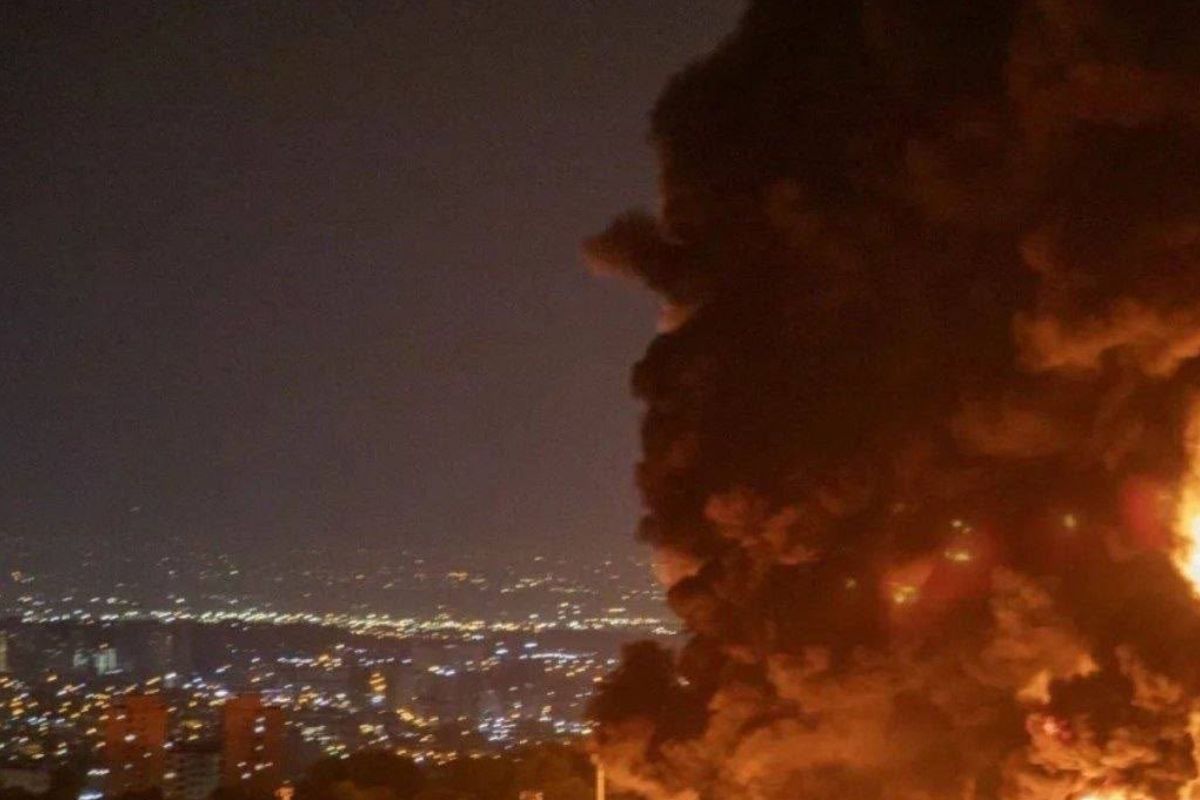
The intense heatwave combined with widespread dryness to create a tinderbox. Wildfires tore through southern France and the Iberian Peninsula. In France, fires consumed more than 35,400 hectares, which is four times the historical average for this time of year. Spain saw over 55,000 hectares burn. The fires forced 10,000 people to flee their homes in southern France and resulted in the tragic death of a young firefighter in the Alps.
The crisis took unexpected turns. French officials reported dozens of drownings over a single week. People were so desperate to escape the triple-digit heat that they jumped into canals, rivers, and lakes without understanding the currents or the shock of cold water on an overheated body.
Climate scientists from the World Weather Attribution network looked at the data and reached a stark conclusion. This June heatwave would have been virtually impossible forty years ago. Human-caused carbon pollution has made these daytime extremes ten times more likely, while overnight thermal extremes are now a hundred times more likely.
Actionable Steps to Survive the New Summer Baseline
We have to adapt immediately because more heatwaves are already locking in for July and August. Waiting for global emissions to drop will take decades, but you need to protect yourself right now.
First, fix your living space using passive cooling techniques instead of relying solely on expensive air conditioning. Keep your windows and blinds completely shut during the day to block out the sun. Open them only at night when the outside air drops below the inside temperature. If you have to cook, use a microwave or eat cold meals. Turning on an oven adds massive amounts of ambient heat to a closed apartment.
Second, re-evaluate how you hydrate. Do not wait until you are thirsty to drink water. You need to consume around two liters of liquid daily during a heatwave, and you should add electrolytes if you are sweating heavily. Avoid heavy, spicy meals that increase your metabolic body heat, and stay away from alcohol, which dehydrates you faster.
Third, shift your schedule entirely. If you exercise or work outdoors, do it before 7:00 AM or after 9:00 PM. Take frequent breaks in shaded areas. Communities must also treat heat as a natural disaster. Check on elderly neighbors twice a day. Cities need to invest heavily in urban tree canopies and reflective roofing materials. Research shows that high-canopy neighborhoods stay up to 4 degrees Celsius cooler than concrete-heavy zones during a severe heatwave.