The night smells of damp earth and woodsmoke in a district where maps blur into green conjecture.
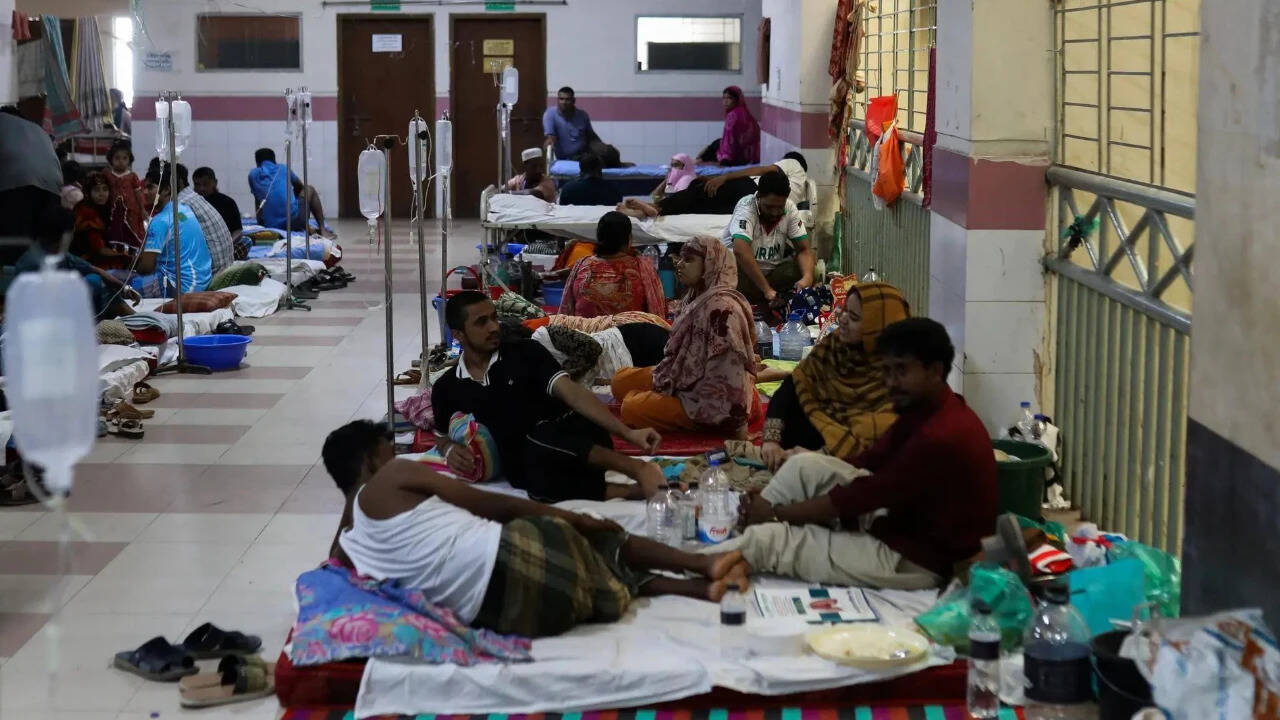
Dr. Aminata Diallo knows the exact second a season turns. It is not marked by a shift in the wind or the calendar on the concrete wall of her clinic. It is marked by a sound. A rhythmic, metallic clatter from the hallway—the sound of an empty steel washbasin vibrating against the floor because every single bed is full, and patients are waiting on the tiles.
In places where infrastructure is thin, disease does not announce itself with a siren. It creeps in through the well water after an unseasonal downpour. It hitches a ride on a market trader returning from a border town three days away. By the time the first lab confirmation trickles down a fax line or an overloaded cellular network, the outbreak has already built its fortress. It has spent a week spreading quietly through naming ceremonies, crowded minibuses, and evening prayers.
West African public health researchers and scientists have spent years studying this geography of delay. Their warnings are stark, urgent, and consistently under-heard by global markets that only look toward the horizon when a contagion threatens international flights.
Listen to what the scientists are actually saying behind closed doors in university labs in Dakar, Accra, and Lagos. They are not asking for charity. They are pointing to a structural vulnerability that turns localized flare-ups into international panics. They are pointing to health systems built of dry timber, waiting for a spark.
Consider how an outbreak actually moves.
Imagine a clinic thirty kilometers from the nearest paved road. The roof leaks during the wet months. The generator runs on diesel that arrives erratically, paid for out of the director’s own pocket when local municipal funds stall. A young mother brings in a child burning with an unnameable fever.
In a perfectly funded system with surplus reserves, that blood sample travels instantly to a high-containment centrifuge. The results post to a secure portal within hours. Contact tracers fan out before sunset.
Here, the reality is different. The refrigerator holding the reagents lost power on Tuesday night. The sole lab technician has not slept in thirty-six hours because the regional director is on leave and three other clinics have dumped their emergency caseloads onto this single outpost. The sample sits. It waits. And while it waits, the virus or the bacteria writes its own chapter in the village ledger.
This is the core argument West African experts keep pressing upon international funders: surveillance is not a luxury item. It is the roof.
When international aid packages arrive during a crisis, they look like emergency relief tents dropped from a cargo plane. They are bright, expensive, and temporary. They bring fleets of white four-wheel-drive vehicles and neat cardboard boxes of personal protective equipment. But once the television cameras pack up and the curve flattens, the tents are folded away. The vehicles are reassigned. The local clinic is left with a depleted stockroom, a broken solar array, and staff who are still owed hazard pay from six months ago.
The scientists are tired of the cycle. They want structural permanence. They want community-level health workers who are paid a living wage rather than expected to volunteer out of civic duty. They want diagnostic machinery that doesn't depend on fragile cold chains maintained by hope alone.
There is an invisible architecture to survival.
When you strip away the bureaucratic jargon, public health comes down to trust and timing. If a farmer in a remote district feels symptoms of a hemorrhagic fever or a drug-resistant strain of malaria, his first instinct is not to call a hotline. His first instinct is to weigh the cost of isolation against the survival of his family. If reporting sickness means losing his stall at the market, being bundled into an ambulance that smells of bleach, and dying in a concrete ward far from his ancestors, he stays quiet. He treats the fever with herbs behind closed doors.
That silence is where epidemics are born.
West African epidemiologists understand this human equation better than anyone sitting in a conference room in Geneva or Washington. They know that outbreak detection is fundamentally anthropological. You cannot outrun a pathogen with PCR machines alone if the people carrying the disease do not trust the hands operating them.
Strengthening health systems means embedding surveillance directly into the rhythm of daily life. It means training traditional healers to recognize atypical symptoms and giving them a direct line to district authorities. It means ensuring that when a community health worker flags an unusual cluster of respiratory illnesses, the response is immediate, respectful, and culturally fluent.
Right now, that machinery is frayed. Budgets across the region are squeezed between servicing sovereign debts and absorbing the shocks of global inflation. Health ministries are forced into agonizing triage. Do you buy antibiotics or repair the incinerator? Do you pay the nurses or restock the reagents?
When choices like that are routine, prevention becomes an unaffordable luxury.
The warning from the region's scientific community is simple: a chain is only as strong as its most exhausted link. A globalized world cannot insulate itself by building higher walls at airports while the foundational surveillance networks in the Global South are starved of baseline resources. Pathogens do not check passports. They do not wait for bureaucratic approvals to cross a frontier.
To fix this, the approach must invert. Instead of imposing top-down protocols designed by distant committees, international partners must fund local priorities set by the scientists who live inside the problem every day. That means multi-year, unearmarked funding for basic laboratory infrastructure. It means supporting regional manufacturing of diagnostics so that a lab in Ibadan or Freetown does not have to wait six weeks for a shipment of plastic pipette tips to clear customs from Europe.
Dr. Diallo walks back down the dim hallway of her clinic. A generator stutters outside, coughs twice, and catches. The fluorescent lights overhead flicker from yellow to a steady, pale white.
In the small examination room, a toddler finally opens her eyes, the fever breaking at last under a course of broad-spectrum treatment that arrived just in time. Outside, the rain begins to fall again, drumming a heavy, indifferent rhythm against the corrugated iron roof. The radar is listening. The question is whether the rest of the world is ready to hear what it has to say before the next storm breaks.