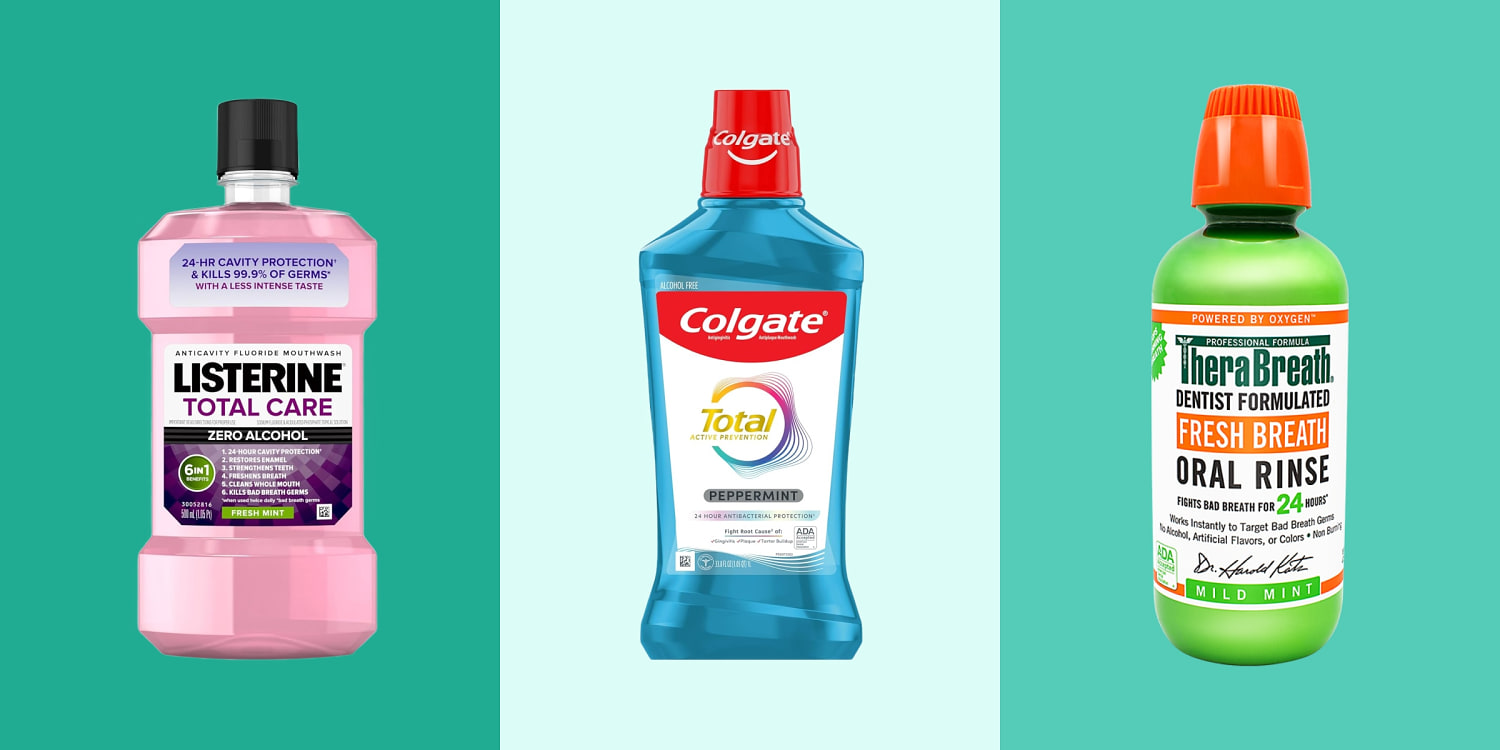
Oral hygiene is often incorrectly framed as a linear progression of effort where more tools equate to better outcomes. In reality, the oral cavity functions as a complex bioreactor. The primary objective of hygiene is the mechanical and chemical management of dental plaque, a sophisticated biofilm. While mechanical debridement—brushing and flossing—remains the gold standard for biofilm disruption, mouthwash serves as a secondary, chemotherapeutic intervention. Its utility is not universal; rather, its value is a function of a patient's specific microbial load, salivary flow rate, and systemic risk factors.
The Triad of Oral Homeostasis
To understand if mouthwash is necessary, one must evaluate the three pillars of oral health maintenance. These pillars determine whether mechanical cleaning alone is sufficient or if chemical supplementation is required to prevent a shift from symbiosis to dysbiosis.
- Mechanical Disruption (The Primary Vector): Brushing and interdental cleaning physically break the structural integrity of the biofilm. This is a non-negotiable requirement. Bacteria within a mature biofilm are up to 1,000 times more resistant to antimicrobial agents than planktonic (free-floating) bacteria. Chemical rinses cannot penetrate a mature, undisturbed biofilm effectively.
- Chemical Inhibition (The Secondary Vector): Rinses deliver active ingredients—such as cetylpyridinium chloride (CPC), essential oils, or chlorhexidine—to areas inaccessible to bristles or floss. This includes the tongue, the buccal mucosa, and the gingival sulcus.
- Biological Resilience (The Baseline): This involves the natural protective qualities of saliva, including its buffering capacity (pH regulation) and the presence of immunoglobulin A (IgA) and lysozymes.
The Plaque Index Bottleneck
The effectiveness of brushing and flossing is limited by human error and anatomical complexity. Studies consistently show that the average person removes less than 50% of plaque during a typical cleaning session. This leaves a residual microbial load that continues to metabolize fermentable carbohydrates into acid, leading to demineralization (cavities) or triggering an inflammatory response (gingivitis).
Mouthwash acts as a "buffer" against this human error. If mechanical disruption is 100% effective, the marginal utility of mouthwash approaches zero. However, since 100% efficiency is statistically rare, mouthwash provides a secondary layer of protection by reducing the total bacterial load of the oral cavity, even if it cannot fully penetrate the remaining plaque mass.
Therapeutic Categorization: Cosmetic vs. Medicinal Rinses
The market conflates two distinct product classes, leading to consumer confusion regarding necessity.
Cosmetic Rinses
These products are designed for temporary halitosis (bad breath) control. They typically utilize flavoring agents to mask odors or mild astringents to provide a "clean" sensation. They do not contain therapeutic levels of fluoride or antigingivitis agents. From a clinical perspective, these are optional and provide no long-term health benefits.
Therapeutic Rinses
These are formulated to treat or prevent specific pathologies. They are categorized by their active mechanisms:
- Antimicrobials (e.g., Essential Oils, CPC): These kill bacteria or inhibit their reproduction. They are indicated for patients with persistent gingival inflammation or high bacterial loads.
- Fluorides (e.g., Sodium Fluoride): These promote remineralization of the enamel. They are critical for patients with a high "Caries Risk Assessment" (CRA), such as those with frequent sugar intake or dry mouth.
- Oxygenating Agents: Used primarily for acute conditions like necrotizing ulcerative gingivitis.
The Alcohol-Base Variable: A Risk-Reward Assessment
A significant point of contention in oral health strategy is the use of ethanol as a solvent in mouthwash. Alcohol is an effective stabilizer for essential oils and provides a sharp "sting" that many consumers associate with efficacy. However, it introduces specific physiological costs:
- Desiccation: Alcohol is a drying agent. It reduces salivary flow, which ironically can lead to increased bacterial activity and worse breath once the initial effect wears off.
- Mucosal Irritation: In patients with sensitive tissues or lichen planus, alcohol-based rinses can cause sloughing or pain.
- The Xerostomia Feedback Loop: Patients with dry mouth (xerostomia) who use alcohol-based rinses further deplete their saliva, removing the mouth’s natural defense mechanism.
For the majority of the population, alcohol-free therapeutic rinses offer the same antimicrobial benefits without the risk of tissue dehydration.
Determining Necessity: The Clinical Decision Matrix
The question of "Do I need mouthwash?" cannot be answered with a binary yes or no. It requires an assessment of individual risk variables.
Scenario A: The High-Efficiency Cleaner
A patient with optimal manual dexterity, no history of dental decay in three years, and healthy gingiva (no bleeding on probing) gains minimal benefit from mouthwash. Their mechanical disruption is sufficient to maintain homeostasis.
Scenario B: The Anatomical Constraint
Patients with orthodontic appliances (braces), fixed bridges, or deep periodontal pockets face physical barriers that floss cannot navigate effectively. In these cases, a therapeutic rinse is mandatory to reach the "hidden" microbial reservoirs that mechanical tools cannot touch.
Scenario C: The Systemic Risk Factor
Certain systemic conditions dictate the necessity of mouthwash:
- Diabetes: High blood sugar levels can increase the glucose concentration in crevicular fluid, fueling bacterial growth. Antimicrobial rinses help counteract this biological pressure.
- Medication-Induced Xerostomia: Over 400 common medications (antidepressants, blood pressure meds) cause dry mouth. A fluoride-heavy, alcohol-free rinse is essential here to replace the protective mineral content usually provided by saliva.
- Pregnancy: Hormonal shifts increase the inflammatory response to plaque (pregnancy gingivitis). A chemotherapeutic rinse can modulate this inflammation.
The Temporal Factor: When You Rinse Matters
The efficacy of mouthwash is often neutralized by improper sequencing. Most toothpastes contain Sodium Lauryl Sulfate (SLS), a foaming agent. Many mouthwash ingredients, particularly Chlorhexidine or CPC, are inactivated when they come into contact with SLS.
Rinsing immediately after brushing can wash away the concentrated fluoride left behind by toothpaste, effectively lowering the tooth's protection level. The optimal protocol for high-risk individuals is to brush and floss, spit out the excess toothpaste without rinsing with water, and then wait 30 minutes before using a mouthwash. This allows the toothpaste’s fluoride to uptake into the enamel while giving the mouthwash a clear window to address the remaining bacterial load.
Structural Limitations and Risks
No chemical rinse is a substitute for physical friction. A patient who relies solely on mouthwash will still develop calculus (tartar). Calculus is a mineralized biofilm that is physically fused to the tooth structure; no over-the-counter liquid can dissolve it. Relying on mouthwash as a primary cleaner leads to a "false sense of security" where the superficial reduction in bacteria masks the underlying accumulation of hard deposits that cause bone loss.
Furthermore, over-reliance on potent antimicrobials can potentially disrupt the oral microbiome's balance. While the "kill everything" approach works for acute infections, long-term health relies on a diverse, stable community of commensal bacteria. Excessive use of high-strength rinses may inadvertently create an environment where opportunistic pathogens, like Candida albicans (thrush), can flourish.
Strategic Implementation
To elevate oral health from "standard" to "optimized," individuals should categorize their needs based on the following hierarchy:
- For Caries Prevention: Prioritize a high-parts-per-million (ppm) fluoride rinse, used at a different time than brushing.
- For Gingival Health: Utilize an essential oil or CPC-based rinse to target the inflammatory precursors in the sulcus.
- For Dry Mouth: Utilize a pH-neutral, xylitol-containing, alcohol-free rinse to simulate salivary protection.
The most effective strategy is to treat mouthwash not as a "third step" in a ritual, but as a targeted pharmacological tool. If your gingiva bleeds during flossing, your mechanical disruption has failed; at that point, a chemotherapeutic rinse becomes a necessary intervention to arrest the inflammatory cascade. If your gums are firm, pink, and resilient, your current mechanical protocol is sufficient, and mouthwash remains a discretionary addition for breath management or additional fluoride uptake.